
Low fat recipes can be a practical way to eat lighter without feeling like every meal is “diet food.” If your usual pattern is takeout, heavy sauces, or big portions of cheese and fried foods, a few well-chosen recipes can shift your week fast.
The tricky part is that “low fat” often gets confused with “low flavor,” and people end up hungry, bored, or raiding the pantry later. In real kitchens, the win comes from using the right cooking method and building meals that still feel complete.
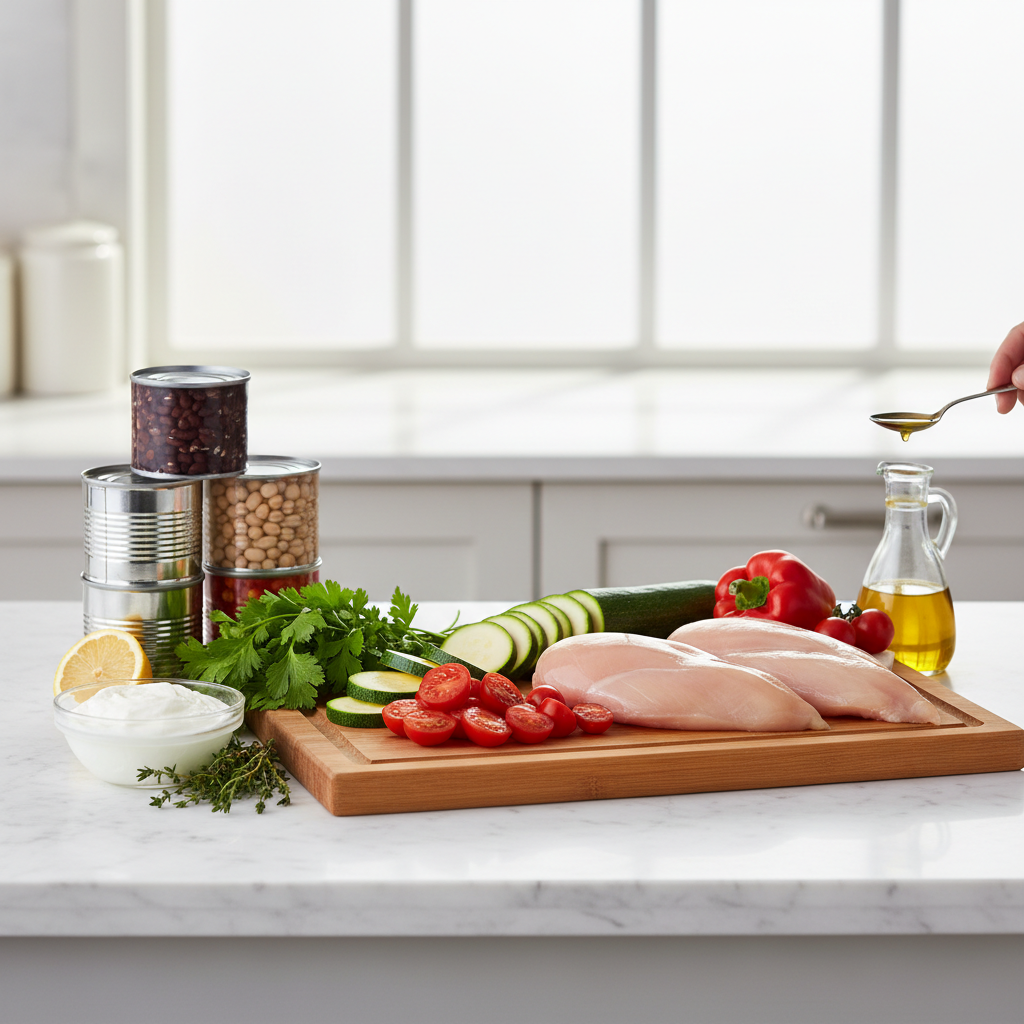
This guide focuses on what works for most people in the U.S.: simple staples, quick cook times, and realistic swaps. You’ll get a quick self-check, a planning table, and a handful of go-to meals you can repeat without getting sick of them.
What “low fat” really means (and when it helps)
“Low fat” can mean different things depending on your goal. Some people want to reduce overall calories, some need to manage heart health, and others just feel better eating lighter meals. According to American Heart Association, choosing healthier fats and limiting saturated fat is part of a heart-healthy eating pattern.
One honest note: cutting fat too aggressively can backfire. Fat helps with satisfaction and absorption of fat-soluble vitamins, so the better target is often lower saturated fat and reasonable portions, not “zero fat everything.” If you have a medical condition, medication needs, or a specific lipid profile to manage, it’s smart to check with a registered dietitian or clinician.
Why low fat recipes sometimes fail (common real-world reasons)
If you’ve tried lighter meals before and it didn’t stick, the problem is usually not willpower. It’s the structure of the meal.
- No protein anchor: salads and soups can feel “healthy,” but without enough protein, hunger returns quickly.
- Hidden fat bombs: creamy dressings, large handfuls of nuts, cheese “extras,” and restaurant portions add up fast.
- Flavor missing: when fat drops, you need acid, herbs, spice, and browning to keep food satisfying.
- Portion creep: a low-fat meal can still be high-calorie if the serving size doubles.
- Over-relying on packaged “fat-free” items: these can be fine sometimes, but they’re not always filling and may push people toward snacking later.
Quick self-check: which situation are you in?
Pick the statement that sounds most like your week. This helps you choose the right approach instead of forcing a one-size plan.
- “I’m busy and I skip meals.” You need fast, repeatable breakfasts and lunches.
- “Dinner is where I lose it.” You need satisfying dinners with a clear carb-protein-veg pattern.
- “I snack at night.” You likely need more protein and fiber earlier, plus a planned evening option.
- “I cook, but my food tastes flat.” You need technique: roasting, broiling, acids, aromatics, and spice blends.
- “My numbers are a concern.” Focus on lowering saturated fat, increasing soluble fiber, and discuss targets with a professional.
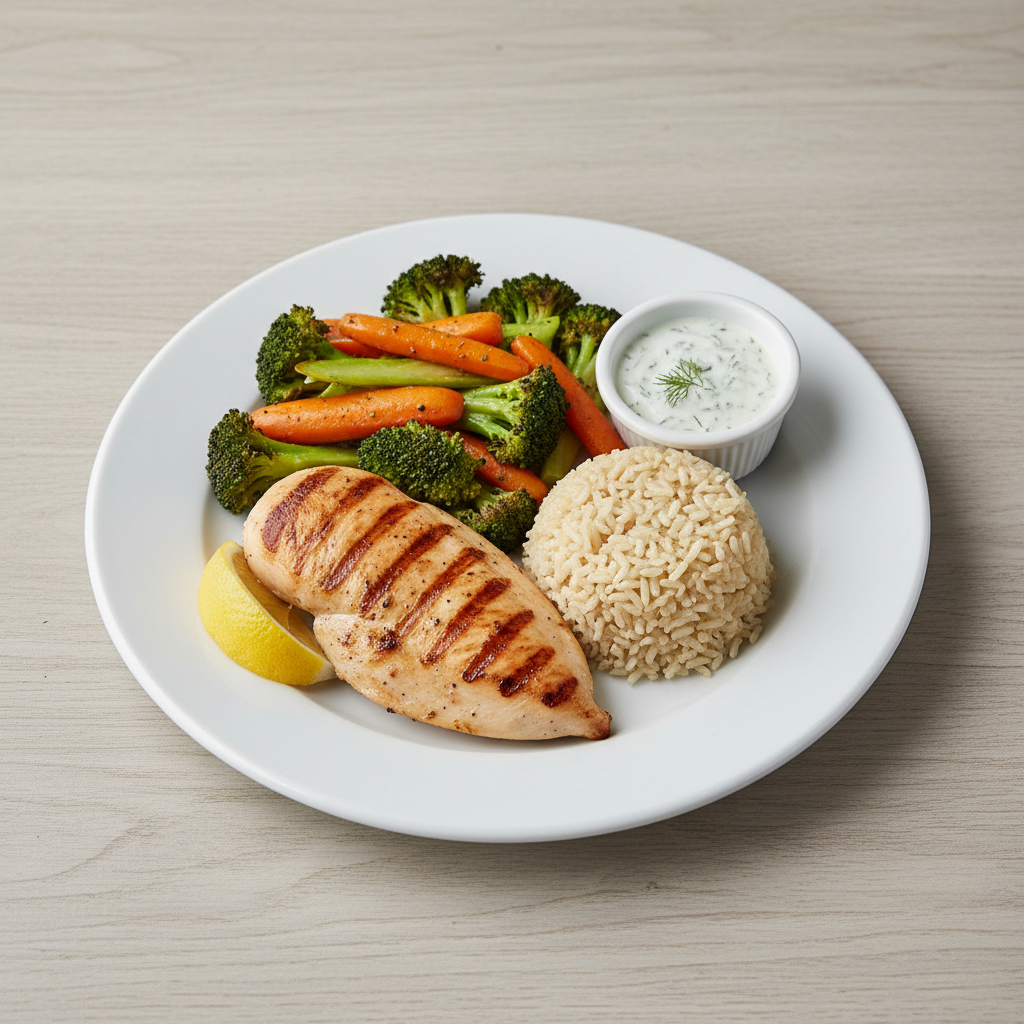
Core formula: build low-fat meals that still taste good
If you only remember one thing, remember this: most successful low fat recipes follow a simple structure, then “cheat” flavor back in with smarter tools.
A simple plate template
- Lean protein (25–35g if it fits your needs): chicken breast, turkey, fish, shrimp, beans, lentils, tofu, egg whites plus one whole egg.
- High-volume vegetables: frozen veg counts, and it often saves a weeknight.
- Smart carb: potatoes, brown rice, whole-wheat pasta, oats, corn tortillas, fruit.
- Flavor boosters: lemon, vinegar, salsa, mustard, herbs, chili flakes, garlic, ginger.
Cooking methods that keep food satisfying
- Roast or broil to get browning, this replaces some of the “richness” you miss from oil.
- Use nonstick and measured oil, not “free-pour.” A teaspoon can go far.
- Thicken with yogurt or pureed beans instead of heavy cream when you want a creamy vibe.
A practical 7-day planning table (mix-and-match)
This table is meant to reduce decision fatigue. Rotate proteins and flavors, keep the shopping list short, and you’ll use these low fat recipes more consistently.
| Day | Breakfast | Lunch | Dinner |
|---|---|---|---|
| Mon | Overnight oats + berries | Turkey veggie wrap + fruit | Sheet-pan chicken fajitas |
| Tue | Greek yogurt + granola (light) + banana | Lentil soup + side salad | Shrimp stir-fry (minimal oil) |
| Wed | Egg white scramble + toast | Chicken quinoa bowl | Turkey chili (bean-forward) |
| Thu | Smoothie (protein + fruit + spinach) | Tuna salad (Greek yogurt) + crackers | Baked cod + roasted veg + potato |
| Fri | Cottage cheese + pineapple | Leftover chili or soup | Whole-wheat pasta + marinara + veggies |
| Sat | Oatmeal + cinnamon + apple | Big salad + grilled chicken | Homemade thin-crust veggie pizza (light cheese) |
| Sun | Protein pancakes (lighter) + berries | Bean burrito bowl | Slow-cooker chicken tortilla soup |
Go-to low fat recipes (fast, repeatable, not “sad”)
These are designed for regular people with regular time, and they scale well for leftovers. Adjust salt and spice based on your needs and preferences.
1) Sheet-pan chicken fajitas
Why it works: high flavor from spices and peppers, low effort, easy portioning.
- Ingredients: sliced chicken breast, bell peppers, onion, fajita seasoning, lime, corn tortillas.
- How: roast at high heat until edges brown, finish with lime and salsa.
- Make it better: add a yogurt-lime sauce instead of sour cream.
2) Turkey chili (bean-forward)
Why it works: beans add fiber and thickness without needing lots of fat.
- Ingredients: lean ground turkey, canned beans, crushed tomatoes, onion, chili powder, cumin.
- How: brown turkey, simmer with beans and tomatoes, let it reduce for body.
- Serve: top with chopped onion, cilantro, and a small sprinkle of reduced-fat cheese if desired.
3) “Creamy” pasta without heavy cream
Why it works: you still get the comfort-food feel, but the sauce relies on technique.
- Ingredients: whole-wheat pasta, marinara, spinach, garlic, a few spoonfuls of plain Greek yogurt.
- How: warm marinara, fold in spinach, turn heat low, then stir yogurt in gently so it stays smooth.
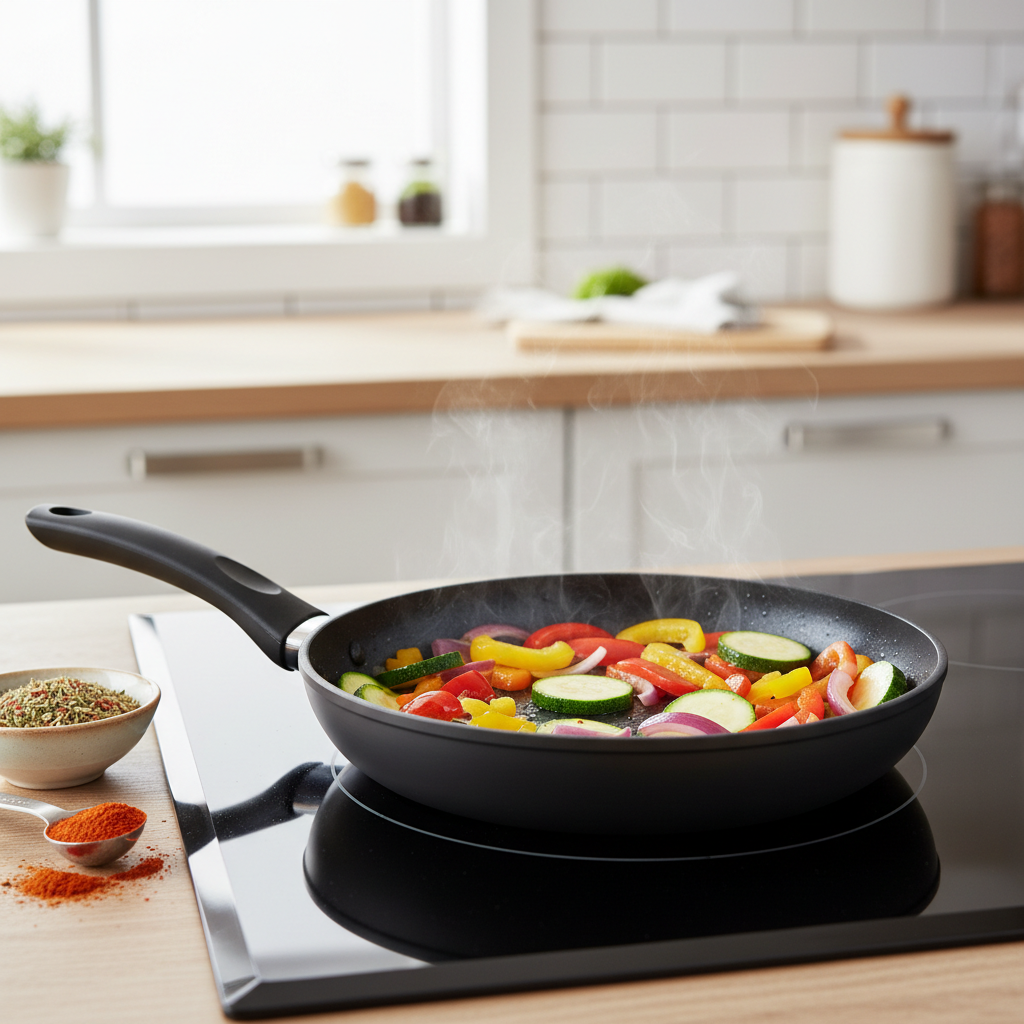
4) Shrimp and veggie stir-fry (minimal oil)
Why it works: shrimp cooks fast, sauce brings the punch.
- Ingredients: shrimp, frozen stir-fry vegetables, garlic, ginger, low-sodium soy sauce, rice vinegar.
- How: use a hot pan, add shrimp first, then veg, splash sauce at the end.
- Tip: if it sticks, add a little broth or water rather than more oil.
Smart swaps that keep taste (and avoid the “diet spiral”)
Swaps are only useful if they keep your meal satisfying. Here are ones people tend to stick with.
- Greek yogurt for mayo or sour cream in dips and salads.
- Mashed avocado, measured when you want richness, a thin layer often feels like enough.
- Air fryer or oven-baked for crispy textures instead of deep frying.
- Extra herbs, citrus, hot sauce to replace “missing” richness with brightness.
- Half cheese, better cheese: a smaller amount of a sharper cheese can taste more satisfying than a pile of mild cheese.
Key point: “Low fat” is not a license to ignore sugar and refined carbs. If a product removes fat and adds a lot of sugar, it may not support your goal.
When to get professional guidance (and what to ask)
If you’re changing your eating pattern for a health reason, it’s worth getting clarity on what matters most for you.
- If you have high LDL cholesterol, heart disease history, diabetes, or kidney disease, ask a clinician or dietitian how low fat recipes should fit your specific targets.
- If you feel fatigue, hair shedding, missed periods, or frequent dizziness after cutting fat, it may be a sign your overall intake is too low or unbalanced, professional help is appropriate.
- If you’re unsure about fats, ask: “Should I focus on lowering saturated fat, total fat, or calories?” The answer often differs by person.
Wrap-up: keep it light, not miserable
Low fat recipes work best when they’re built around protein, vegetables, and big flavor, not when they try to erase fat from your life. Pick two dinners you like, one easy lunch you can repeat, and a breakfast that actually holds you, then adjust from there.
If you want an easy next step, choose one sheet-pan dinner and one soup or chili this week, shop for just those ingredients, and see how your energy and cravings respond.
FAQ
Are low fat recipes good for weight loss?
They can be, mostly because lowering fat often lowers calories, but weight change still depends on total intake and consistency. Many people do better when meals stay satisfying, so keep protein and fiber high.
What’s the difference between low fat and low saturated fat?
Total fat counts all fats, while saturated fat is one type that many guidelines suggest limiting for heart health. In practice, you might keep some healthy fats while cutting back on butter, fatty meats, and full-fat dairy.
How do I make low fat meals taste good without extra oil?
Rely on browning, acids, and seasoning. Roasting at higher heat, finishing with lemon or vinegar, and using garlic, cumin, smoked paprika, or chili flakes usually changes everything.
Can I still eat nuts, avocado, and olive oil?
Often yes, just watch portions since those foods are calorie-dense. If your goal is specifically to reduce total fat, you may use them in smaller amounts and prioritize unsaturated fats.
What are easy low fat protein options for weeknights?
Skinless chicken breast, turkey, shrimp, white fish, canned tuna, beans, lentils, and tofu are common go-tos. Pre-cooked options like rotisserie chicken can work too, though sodium varies.
Are “fat-free” snacks a good idea?
Sometimes, but they’re not automatically better. If a snack leaves you hungry quickly, it may lead to more grazing later, pairing it with protein or fiber often helps.
How do I meal prep low fat recipes without drying food out?
Use sauces that reheat well, like salsa, marinara, broth-based soups, or yogurt sauces added after reheating. Also, slightly undercook lean proteins so they don’t overcook on day two.
If you’re trying to make low fat recipes feel normal in your routine, it often helps to start with a short “repeat list” and a grocery template, rather than chasing new recipes every night, if you want, share your typical weeknight schedule and foods you already like, and I can suggest a tighter plan that fits.