
Lasagna recipes can feel simple on paper, then you pull a pan from the oven and the slices slide apart, the bottom is soupy, and the top browns before the middle turns hot. The good news is that classic cheesy lasagna is mostly a process problem, not a talent problem.
What usually makes the difference is small stuff: how wet your ricotta mix is, whether your sauce has simmered long enough, and how long you let the pan rest before cutting. If you fix those, you get the kind of lasagna that stands up on a plate and still tastes cozy.
This guide walks through a dependable “classic” approach, plus a few optional upgrades if you want extra cheese pull or deeper flavor, without turning it into a weekend project.
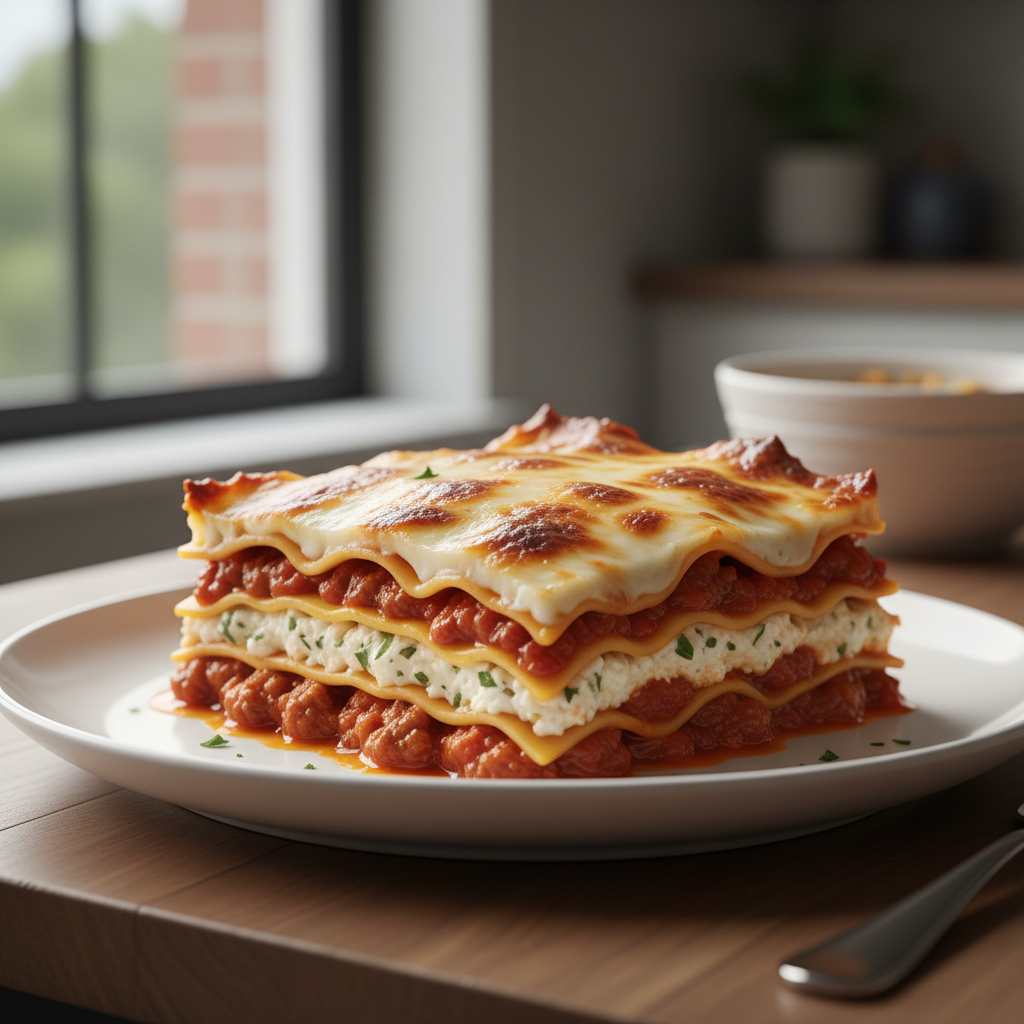
What “classic cheesy” lasagna really means
In most American kitchens, “classic” usually means a beef-and-tomato sauce, ricotta or cottage cheese filling, mozzarella for melt, and Parmesan for salty depth. You can tweak the details, but the structure stays the same: sauce for moisture, cheese for richness, pasta for stability.
- Texture goal: sliceable, not dry, not watery
- Flavor goal: savory sauce, mild creamy center, browned cheesy top
- Time goal: doable on a weeknight if you prep smart, great for leftovers
According to USDA Food Safety and Inspection Service, leftovers should be refrigerated within 2 hours, and reheated to a safe internal temperature. For lasagna, that’s especially relevant because thick casseroles cool slowly in the middle.
Ingredients that matter (and what you can swap)
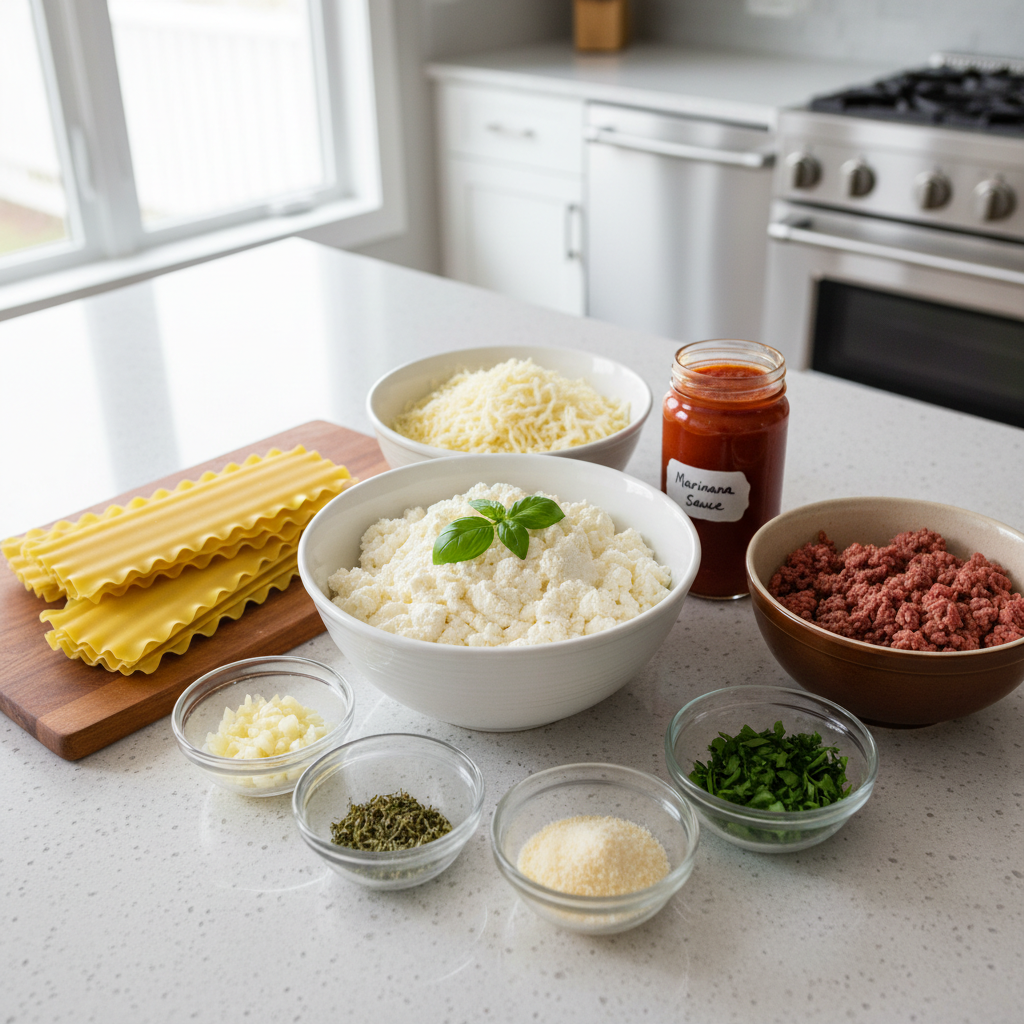
You can make decent lasagna with almost any brand, but a few choices make the pan more consistent.
Core ingredients
- Noodles: regular or no-boil (no-boil works best with slightly looser sauce)
- Meat: ground beef, Italian sausage, or a mix
- Sauce: jarred marinara plus a quick simmer, or homemade
- Ricotta layer: ricotta + egg + Parmesan + herbs
- Melty top: shredded low-moisture mozzarella (pre-shredded is fine, freshly shredded melts a bit smoother)
Smart swaps (with trade-offs)
- Cottage cheese for ricotta: often lighter and budget-friendly, but slightly tangier; blend if you want it smoother
- Spinach add-in: great, but squeeze it very dry or it can water down the center
- Turkey instead of beef: works, just add a little extra olive oil or a richer sauce to avoid a lean, flat taste
Why lasagna goes wrong (and how to spot the cause fast)
Most “failed” pans trace back to moisture control and timing. Here are the common culprits I see come up again and again in classic lasagna recipes.
- Watery slices: sauce too thin, ricotta too wet, veggies not drained, or you cut too soon
- Dry edges: not enough sauce at the corners, pan baked uncovered too long
- Gummy noodles: no-boil noodles paired with thick sauce, or layers packed too tightly
- Bland overall: under-seasoned meat, no Parmesan in the filling, sauce not simmered
A quick reality check: if your sauce tastes “fine” from the jar but not great, it will taste flatter after baking because the pasta and cheese dilute it.
Classic cheesy lasagna method (step-by-step)
This approach aims for repeatable results. You can scale it up or down, but keep the ratios and the resting time.
1) Make a thicker, stronger sauce
- Brown meat in a wide pan, season with salt and black pepper
- Add onion and garlic, cook until fragrant
- Stir in marinara, simmer 10–20 minutes until it coats a spoon
- If it tastes sharp, a small pinch of sugar can round it out, but keep it subtle
2) Mix the ricotta layer (don’t skip the binder)
- Ricotta + 1 egg + Parmesan + chopped parsley or basil
- Season the mixture until it tastes slightly “too seasoned” on its own
- If the ricotta looks wet, blot with paper towels or add a bit more Parmesan
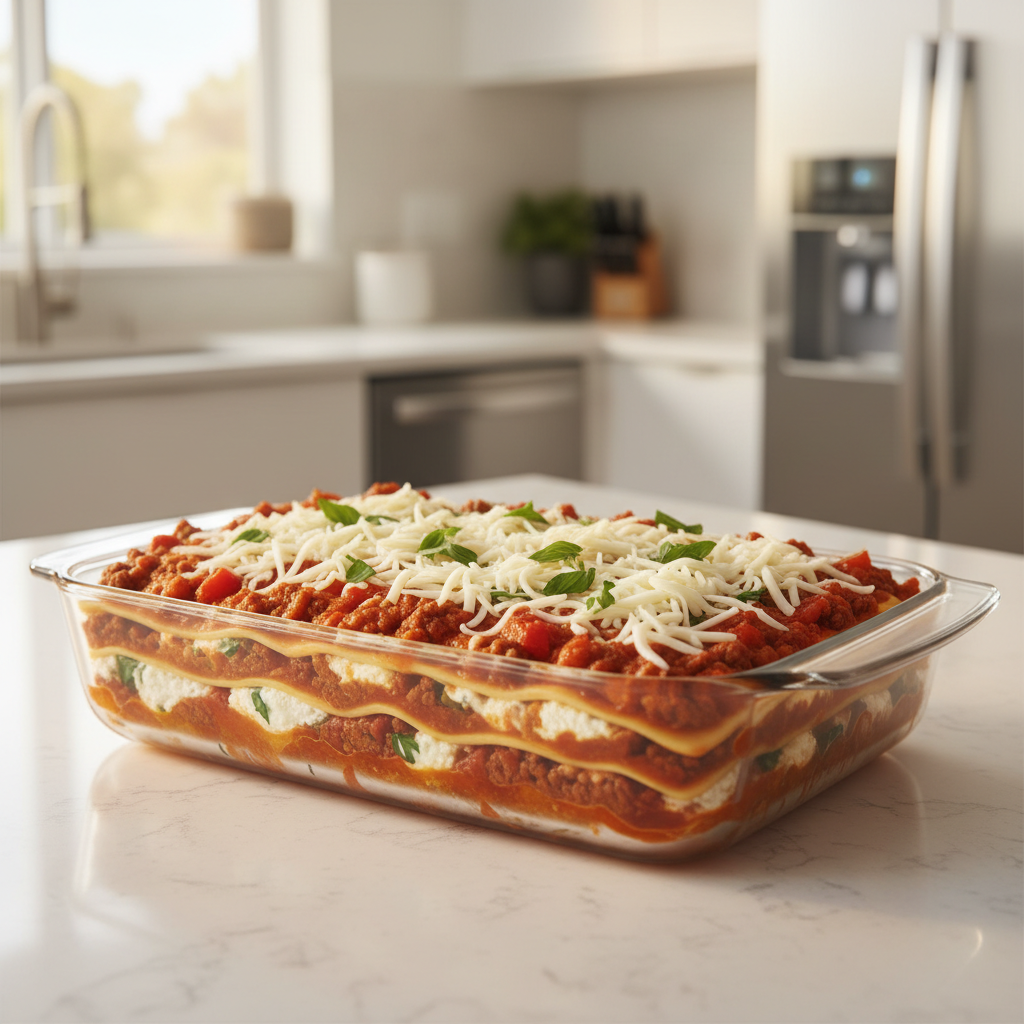
3) Build layers with an “edge-first” mindset
- Spread a thin sauce layer on the bottom (this prevents sticking)
- Noodles, sauce, ricotta mix, mozzarella
- Repeat, ending with sauce plus mozzarella and Parmesan on top
- Corner tip: dab extra sauce into corners, they dry out first
4) Bake covered, then brown
- Cover tightly with foil for most of the bake so the center heats through
- Uncover near the end to brown the top
- If the top browns too fast, tent the foil instead of sealing it flat
5) Rest before slicing (this is not optional)
Let the pan rest 15–30 minutes. The cheese and sauce settle, and your slices stop slumping. If you want restaurant-style squares, aim closer to 30 minutes.
Timing, temperature, and doneness: a practical cheat sheet
Ovens vary, and pan depth matters. Use this as a starting point, then adjust based on what you see and smell.
| Situation | What to do | Why it helps |
|---|---|---|
| No-boil noodles | Use slightly looser sauce, cover longer | They need more moisture to soften evenly |
| Very thick meat sauce | Add a splash of water or broth, simmer briefly | Prevents dry pockets and hard edges |
| Top browning early | Tent foil, lower rack position | Reduces direct top heat while center finishes |
| Still cool in the middle | Bake covered longer, rest longer | Heat penetrates slowly in dense casseroles |
If you check with a thermometer, you want the center to be hot and steady, not just warm around the edges. If you have dietary needs or safety questions, it’s reasonable to consult a food safety professional.
Make-ahead, freezing, and reheating (so leftovers stay great)
Classic cheesy lasagna is one of those rare dishes that often tastes better the next day, as long as it’s stored well and reheated gently.
- Make-ahead (fridge): assemble, cover, refrigerate up to a day; add a little extra bake time
- Freeze: freeze baked or unbaked; wrap tightly to prevent freezer burn
- Reheat slices: cover with foil, add a spoon of sauce if edges look dry
- Microwave tip: medium power works better than full blast for even heat
Key takeaways (quick wins that actually change the result)
- Simmer your sauce so it’s flavorful and not watery
- Season the ricotta layer and use egg as a binder for clean slices
- Cover most of the bake to heat the center without scorching the top
- Rest before cutting if you want layers that hold
Conclusion: a classic pan you can repeat
If you’ve tried a few lasagna recipes and felt like you were guessing, focus on moisture, seasoning, and resting time, those three fix most issues without changing your whole grocery list. Pick one “upgrade” at a time, like half sausage for deeper flavor or a thicker sauce simmer, and keep everything else steady so you can taste what actually helped.
Next time you bake, commit to the rest period and take notes on sauce thickness before assembly, that’s the fastest path to a reliable, cheesy classic you’ll want to make again.
FAQ
What’s the best cheese blend for classic cheesy lasagna?
Mozzarella plus Parmesan gets you most of the way there. If you want a richer bite, mixing a little provolone into the mozzarella can add tang, just keep it balanced so it doesn’t overpower the sauce.
How do I keep my lasagna from being watery?
Thicken the sauce with a short simmer, drain any cooked vegetables well, and rest the lasagna before slicing. If ricotta seems wet, blot it or add more Parmesan to tighten the mixture.
Do no-boil noodles work for lasagna recipes like this?
Yes, but they’re less forgiving. They usually need more moisture and tighter coverage during baking, so avoid an extra-thick sauce and keep the foil on longer.
Should I bake lasagna covered or uncovered?
Covered for most of the bake, uncovered at the end to brown. If you go uncovered too early, the top dries out while the center catches up.
How long should lasagna rest before cutting?
Fifteen minutes is the minimum if you want fewer puddles, but 25–30 minutes often gives you cleaner layers. It’s a patience move that pays off.
Can I make lasagna ahead of time and bake it the next day?
Usually yes. Assemble, refrigerate well covered, and expect a longer bake because the pan starts cold. If the top browns too early, tent with foil.
How do I reheat lasagna without drying it out?
Cover it and add a spoonful of sauce or a splash of water near the edge before reheating. Slower heat tends to keep the cheese tender instead of rubbery.
If you want a more hands-off version
If you’re making lasagna recipes for a busy week, consider batching the meat sauce and freezing it flat in bags, then assembly day becomes mostly “layer and bake.” It’s not fancy, it’s just practical, and the final pan still reads classic and cheesy.