
Baking tips matter most when you feel like you followed the recipe and still ended up with dry cake, flat cookies, or bread that never rises. The good news, most beginner mistakes are predictable, which means you can prevent them with a few repeatable habits.
If you bake in the U.S., small details like how you measure flour, what “room temperature” really means, and whether your oven runs hot can quietly change everything. People often blame themselves when it’s actually the process.
This guide focuses on the handful of fundamentals that make recipes work, plus a quick self-check, a troubleshooting table, and a simple “do this every time” workflow you can keep using as you level up.
Start with the basics: accuracy beats effort
A lot of “I’m bad at baking” moments come down to accuracy, not talent. Unlike stovetop cooking, baking is closer to a simple chemistry experiment, ingredient ratios and temperature drive the result.
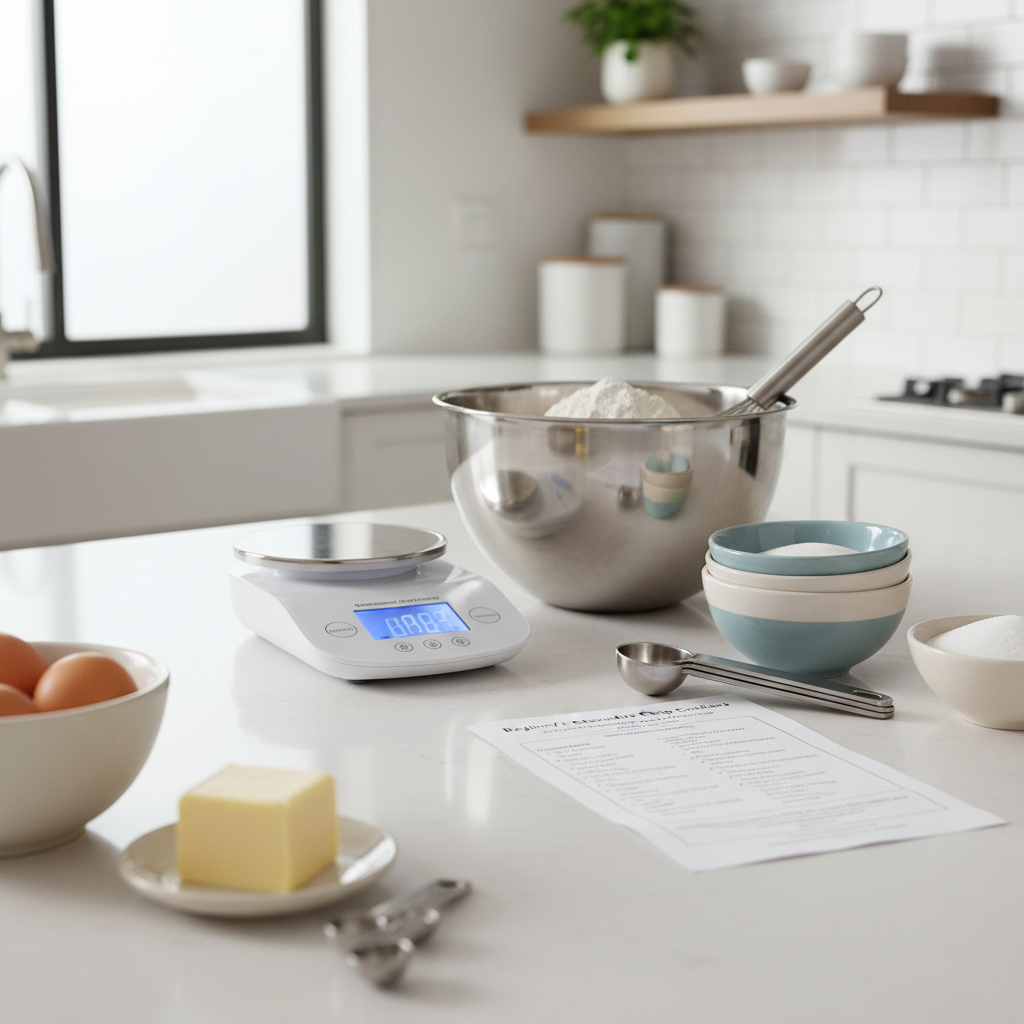
- Measure like you mean it: If you can, use a kitchen scale for flour, sugar, and chocolate. It removes the biggest source of variation in home kitchens.
- Know your pan size: A 9-inch cake pan and an 8-inch pan don’t bake the same, even if the recipe feels similar.
- Read the recipe once, then again: You’re looking for timing, chilling steps, and ingredient temps before you start mixing.
According to USDA Food Safety and Inspection Service, proper food handling and correct temperatures reduce food safety risk, which is relevant when you work with eggs, dairy, and cooling baked goods on the counter.
Measuring and mixing: where beginners usually go off-track
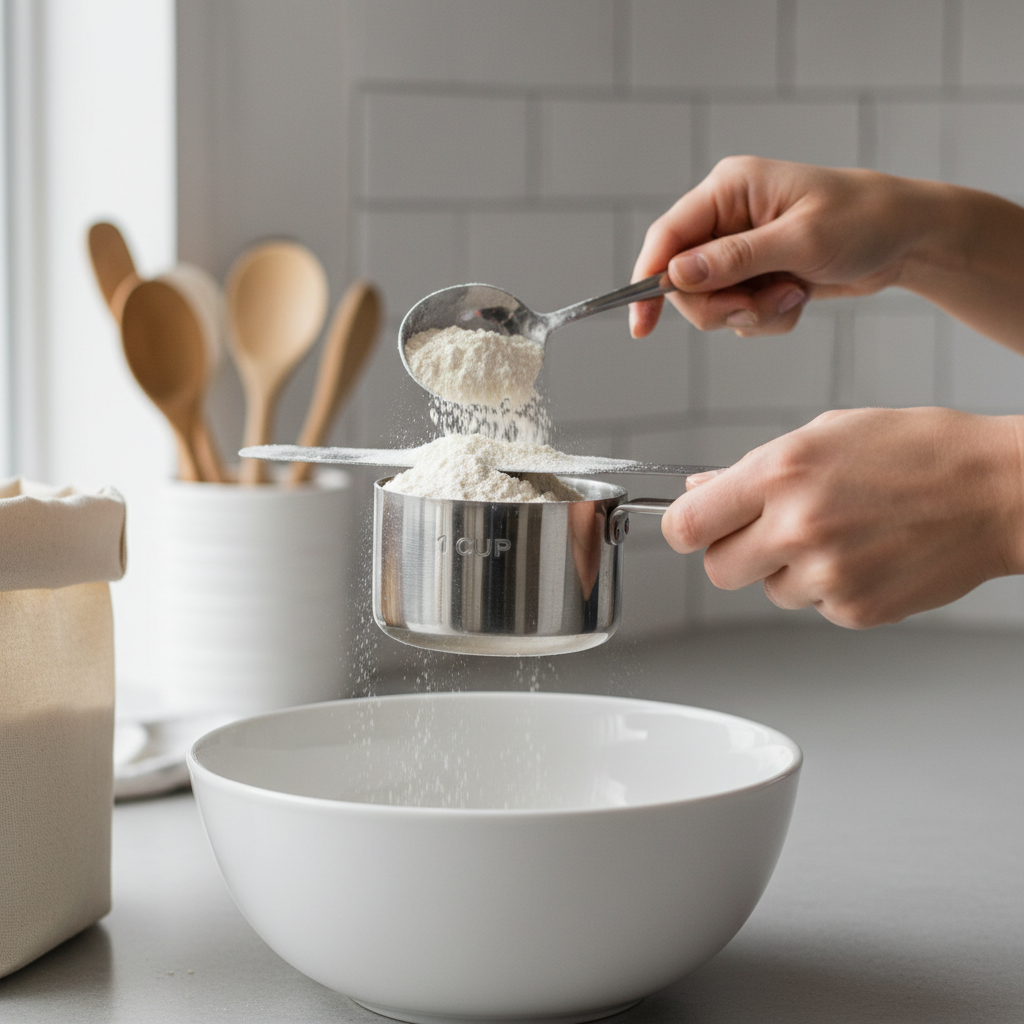
If you only fix one thing, fix flour measurement. Many U.S. recipes assume “spoon and level” for cups, while lots of beginners scoop straight from the bag, packing flour and drying out the bake.
Better measuring habits (fast and realistic)
- Flour: Spoon into the cup, level off with a straight edge. Or weigh it.
- Brown sugar: Most recipes mean “packed” unless they say otherwise.
- Liquids: Use a clear liquid measuring cup at eye level, not a dry cup.
Mixing rules that protect texture
- Don’t overmix once flour goes in: Overmixing develops gluten, which often turns muffins and cakes tough.
- Creaming butter and sugar isn’t optional: When a recipe calls for it, you’re building air that helps lift the bake.
- Scrape the bowl: Unmixed butter or sugar streaks can cause uneven rise and odd pockets.
Temperature and timing: the quiet drivers of consistent results
This is where many baking tips sound “fussy” but pay off. Ingredient temperature changes how batters emulsify, and oven temperature changes how fast structure sets before the center cooks.
- Room temperature ingredients: Usually means butter that dents when pressed, and eggs that don’t feel cold. If you rush this, batter can break or look curdled.
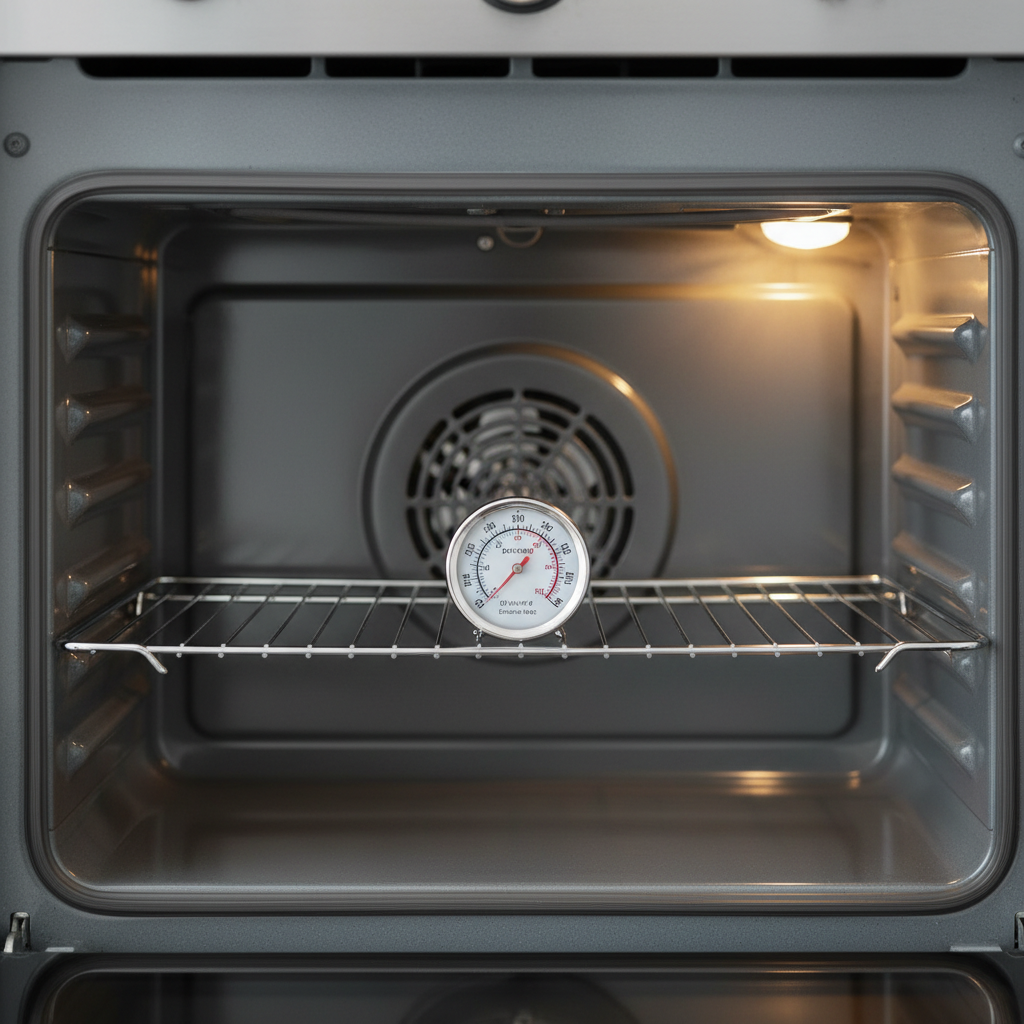
- Preheat fully: Waiting “a few minutes” often isn’t enough. An oven can beep before it’s truly stable.
- Use visual cues, not just the timer: You’re looking for set edges, gentle spring-back, and a toothpick with moist crumbs (not wet batter).
According to FDA, keeping perishable foods out at room temperature for long periods can increase risk, so if you’re staging butter and eggs, aim to bake within a reasonable window and refrigerate leftovers promptly.
A quick self-check: what kind of beginner baker are you today?
Before your next batch, run this short checklist. It helps you pick the right fix instead of changing five things at once.
- If cookies spread too much: butter may be too warm, dough may need chilling, or the pan might be hot from a previous batch.
- If cakes sink in the middle: oven may run cool, the door opened early, or batter got overmixed and collapsed.
- If muffins are dense: mixing likely went too far after flour, or leaveners may be old.
- If bread won’t rise: yeast may be inactive, water may be too hot, or proofing area may be too cold.
- If brownies are dry: they may be overbaked, or flour might be over-measured.
Troubleshooting table: symptom → likely cause → what to do next
Use this as your “one change at a time” guide. It’s tempting to overhaul everything, but focused adjustments teach you faster.
| What you see | Most likely cause | Try this next time |
|---|---|---|
| Flat cookies | Butter too soft, dough warm, oven too hot | Chill dough 30–60 min, use cool sheet pans, verify oven temp with a thermometer |
| Dry cake | Overbaked, too much flour | Check early, spoon-and-level flour or weigh, avoid overmixing after flour |
| Gummy muffins | Overmixing or underbaking | Mix just until no dry streaks, bake until tops spring back |
| Sunk center | Opened oven early, weak structure, inaccurate temp | Don’t open door until near done, confirm leavener freshness, bake on center rack |
| Uneven browning | Hot spots, wrong rack, dark pans | Rotate pan once near the end, use center rack, adjust time for dark metal |
Beginner workflow: a repeatable routine for almost any recipe
When you’re new, consistency comes from a boring routine you follow every time. Once results are steady, you can improvise.
Pre-bake (5 minutes that save a batch)
- Check pan size, rack position, and whether you need parchment or greasing.
- Preheat the oven and set a timer for 10 minutes, even if the oven beeps earlier.
- Set out ingredients that need warming, but keep perishables in the fridge until you’re ready.
Mix and bake
- Measure everything before mixing, especially flour and leaveners.
- Add flour last, then mix gently and stop when it comes together.
- Start checking doneness early, every oven differs a bit.
Cooling and storage
- Let items cool enough to set structure. Cutting too early can make cakes seem underbaked when they’re just hot.
- Store airtight once fully cooled to protect moisture and texture.
Common mistakes beginners make (and what to do instead)
- Swapping ingredients casually: Replacing butter with oil, or sugar with a substitute, can change spread and moisture. If you want to experiment, change one variable and take notes.
- Ignoring leavener freshness: Baking powder and baking soda lose strength over time. If results suddenly fall flat, this is worth checking.
- Thinking “more mixing” means smoother batter: For many batters, a few lumps are fine. Overmixing is the bigger threat.
- Relying on color alone: Dark pans brown faster. Pale bakes can still be done, and deeply browned edges can mean the center is overcooked.
When it’s worth getting extra help or better tools
If you keep getting inconsistent results across different recipes, it may be your oven. An inexpensive oven thermometer often clarifies whether you’re baking 25°F off without realizing it.
If you bake for someone with allergies or medical dietary restrictions, treat substitutions carefully and consider guidance from a qualified professional, since ingredient swaps can affect both safety and outcomes.
And if you’re stuck, choose one “control” recipe you repeat until it behaves, like a basic chocolate chip cookie or banana bread. It’s not glamorous, but it builds intuition fast.
Key takeaways to keep on your fridge
- Weighing ingredients (or spoon-and-level flour) fixes more problems than any fancy technique.
- Temperature control is a real skill: room-temp ingredients, fully preheated oven, cool sheet pans.
- Stop mixing sooner than you think once flour enters the bowl.
- Change one thing at a time when troubleshooting so you learn what worked.
Conclusion: bake fewer “mystery failures”
Beginner baking gets easier when you stop chasing complicated tricks and lock in the basics: accurate measuring, correct temperature, and gentle mixing. Keep notes for two or three bakes, even quick ones, and you’ll start seeing patterns.
If you want an easy next step, pick one simple recipe you like, apply the workflow above, and only adjust a single variable next time, like chilling cookie dough or weighing flour. That’s how baking tips turn into real confidence.
FAQ
What are the most important baking tips for beginners to learn first?
Focus on accurate measuring, proper preheating, and not overmixing after flour is added. Those three fix a surprisingly large share of common failures.
Should I always use a kitchen scale, or are cups fine?
A scale is more consistent, especially for flour. Cups can work if you spoon-and-level, but if you’re troubleshooting, weighing ingredients removes guesswork.
Why did my cookies spread so much even though I followed the recipe?
Warm dough and soft butter are frequent culprits, and a hot baking sheet can make it worse. Chilling the dough and using a cool pan usually helps.
How do I know when a cake is done without overbaking it?
Look for a set top, edges pulling slightly from the pan, and a toothpick that comes out with moist crumbs. Start checking a bit before the listed time.
What does “room temperature butter” actually mean?
It should feel cool but pliable, and your finger should leave an indentation without sliding through. If it looks shiny or greasy, it may be too warm for creaming.
Can I substitute whole wheat flour for all-purpose flour 1:1?
Sometimes, but many recipes turn denser because whole wheat absorbs more liquid and adds bran. If you’re new, try replacing part of the flour first and see how texture changes.
Do I need to rotate pans while baking?
In many home ovens, yes, hot spots are common. Rotate once near the end if browning looks uneven, but avoid opening the door too early for cakes and soufflé-like batters.
If you’re working through beginner recipes and want fewer surprises, keep a small “bake log” with your oven rack position, pan type, and timing, then adjust from there. It’s a simple way to turn each attempt into a reliable upgrade instead of another guess.