
Cauliflower rice easy is mostly about two things: getting the moisture out, and not overcooking it. If your past attempts turned mushy or watery, you didn’t “fail” the recipe, you just hit the most common cauliflower rice problem.
Done right, it’s fast, flexible, and genuinely useful for low-carb meals, meal prep, and weeknight dinners where you want a lighter base than regular rice. It also plays well with bold sauces and quick proteins, which is why so many people keep it on repeat.
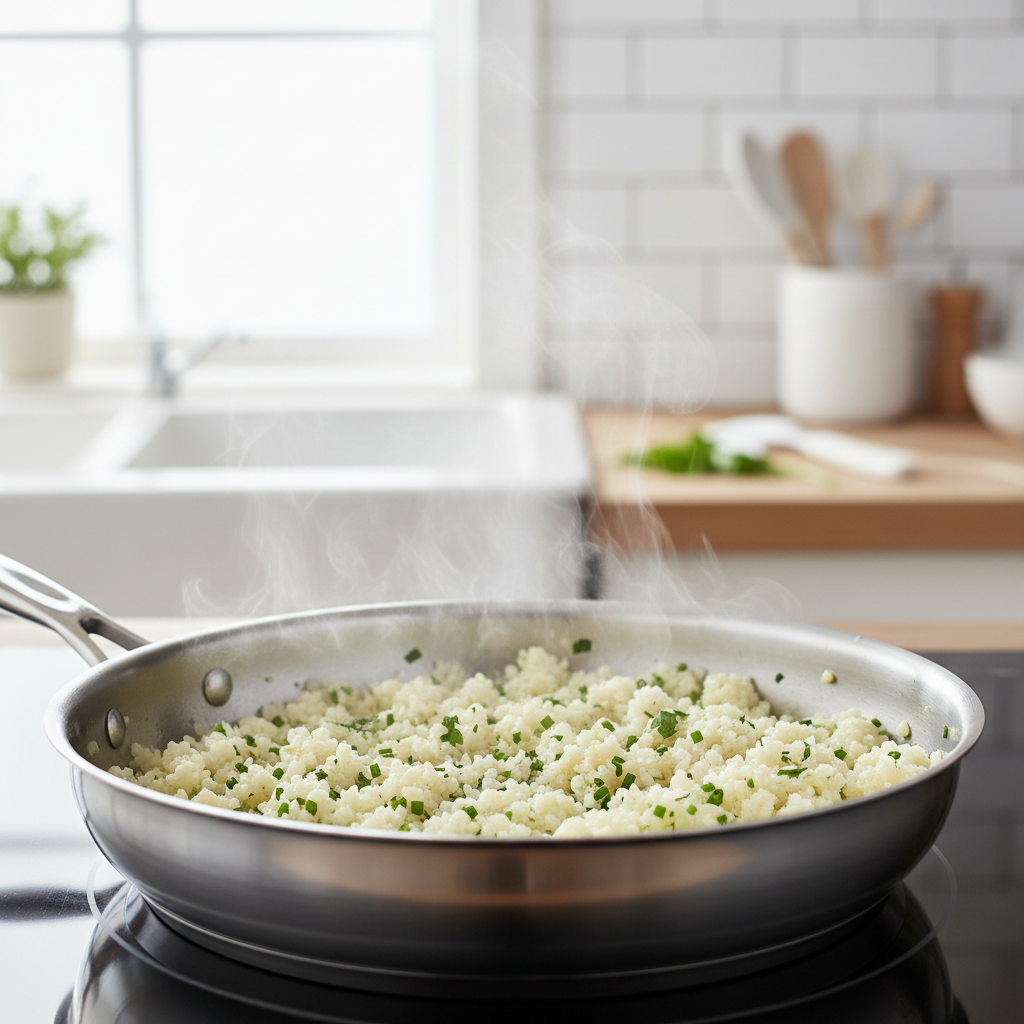
This guide sticks to the practical stuff: what causes sogginess, how to prep fresh or frozen, a simple low-carb recipe, and a few flavor paths so it doesn’t taste like “diet food.” You’ll also get a quick troubleshooting table and a short checklist to self-diagnose what’s going wrong.
Why cauliflower rice turns soggy (and how to avoid it)
Most cauliflower rice “fails” come from excess water. Cauliflower holds a lot of moisture, and ricing increases surface area, so water escapes fast once heat hits.
- Over-processing: If you blitz it into tiny crumbs, it releases more water and cooks too fast.
- Overcrowding the pan: The moisture can’t evaporate, so it steams instead of sautéing.
- Too much heat for too long: Cauliflower breaks down and goes soft.
- Salting too early: Salt pulls water out. It’s helpful, but timing matters.
According to USDA FoodData Central, cauliflower is naturally high in water content, so managing moisture is a normal part of cooking it, not a special trick.
Quick self-check: which cauliflower rice situation are you in?
Before you tweak anything, pin down your starting point. Different forms behave differently, and the “right” method changes a bit.
- Fresh head of cauliflower: Best texture potential, but you control size and dryness.
- Store-bought refrigerated riced cauliflower: Convenient, often slightly wetter than DIY.
- Frozen cauliflower rice: Usually the wettest, but still works if you cook off moisture.
Fast diagnosis:
- If it tastes bland, you likely need more fat, aromatics, or acid, not more cook time.
- If it’s watery, your pan is crowded or you didn’t dry it (especially frozen).
- If it’s mushy, you probably cooked it too long or chopped it too fine.
Cauliflower rice easy recipe (low carb, fluffy, not watery)
This is the baseline method I’d use for most bowls, stir-fries, and quick sides. It’s intentionally simple, then you can build flavor in the next section.
Ingredients (about 4 servings)
- 1 large head cauliflower (or about 5–6 cups riced cauliflower)
- 1–2 tbsp olive oil or avocado oil
- 2 cloves garlic, minced (optional but recommended)
- 1/2 tsp kosher salt (add near the end)
- Black pepper
- Optional: 1 tbsp butter or ghee for richer flavor
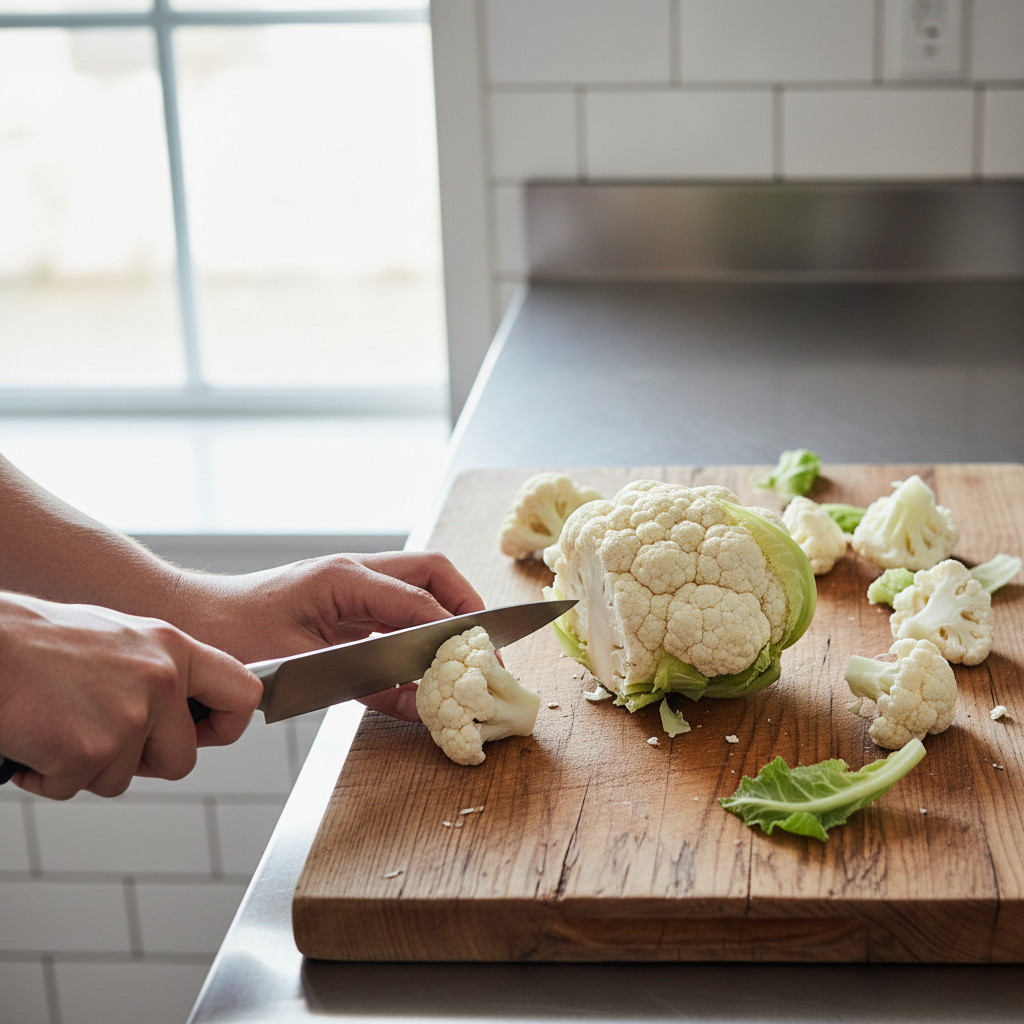
Step-by-step method
- Rice it: Pulse florets in a food processor 6–10 quick pulses until rice-sized pieces form. Stop before it turns powdery.
- Dry it (quick version): If it looks damp, press it lightly in a clean kitchen towel or paper towels. Don’t wring aggressively, just blot.
- Heat the pan: Use a wide skillet on medium-high heat. Add oil and let it shimmer.
- Sauté in a thin layer: Add cauliflower rice and spread it out. Let it sit 1–2 minutes before stirring so moisture can evaporate.
- Cook briefly: Stir and cook 4–6 minutes total, until tender-crisp. If you want more “rice bite,” stop earlier.
- Season at the end: Add salt, pepper, and butter if using. Taste, then adjust.
Key takeaway: you’re aiming for “steam off, then stop,” not “cook until soft.” That’s the texture difference.
Flavor upgrades that don’t add many carbs
Plain cauliflower rice can taste flat. A small amount of fat plus one strong flavor direction usually fixes it.
- Mexican-ish: sauté onion, add cumin + chili powder, finish with lime juice + cilantro.
- Fried rice style: sesame oil (a little), garlic, scallions, scrambled egg, peas or chopped carrots if your carb budget allows.
- Mediterranean: oregano, lemon zest, parsley, a spoon of pesto.
- Curry: curry powder or paste, finish with coconut milk splash (small) and lime.
One practical move: add acid at the end (lemon or lime). It brightens flavor without needing lots of salt.
Fresh vs frozen: cook times, texture, and what changes
Frozen cauliflower rice can still be great, but you treat it more like “evaporate water first, then season.” If you season too early, it tends to collapse into a soft pile.
| Type | Best method | Typical cook time | Main risk |
|---|---|---|---|
| Fresh (DIY) | Hot skillet, thin layer | 4–6 min | Over-processing into mush |
| Refrigerated pre-riced | Same as fresh, blot if damp | 5–7 min | Steaming from packaging moisture |
| Frozen | Dry-sauté first, then add fat | 8–12 min | Watery pan, soft texture |
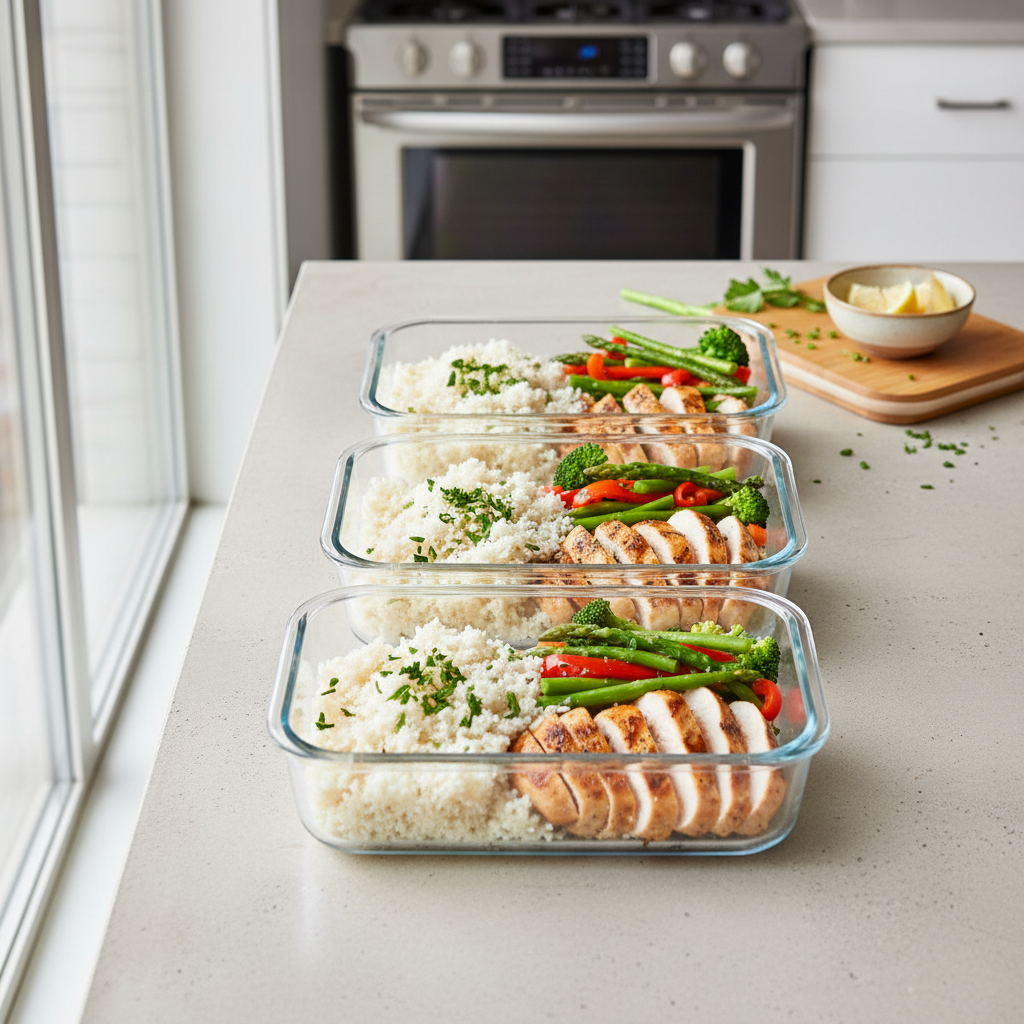
Practical tips for meal prep, storage, and reheating
Cauliflower rice easy for weeknights usually means making more than you need, then reheating without turning it soggy.
- Cool fast: Spread it on a plate or sheet pan for a few minutes before lidding a container.
- Store: Airtight container in the fridge 3–4 days is common; if anything smells off, toss it.
- Reheat: Skillet reheating stays drier than the microwave. If microwaving, use short bursts and vent the lid.
- Freeze: Freeze cooked cauliflower rice in flat bags for quicker thawing, then reheat in a hot pan to drive off moisture.
Common mistakes (the stuff that quietly ruins texture)
- Using a small pan: You want evaporation. A big skillet makes this easier.
- Stirring nonstop: Let it sit briefly so water can cook off.
- Adding sauce too early: Sauces trap steam. Cook cauliflower rice first, sauce second.
- Cooking until “soft like rice”: Regular rice softens without turning watery; cauliflower doesn’t behave the same way.
If you’re watching sodium, it may help to season with herbs, citrus, garlic, and toasted spices first, then add salt gradually. For specific health needs, it’s sensible to check with a registered dietitian or clinician.
When it makes sense to get extra help (or simplify)
If cauliflower rice keeps upsetting your digestion, or you’re using it as a major part of a medical diet plan, it’s worth talking with a professional. According to Academy of Nutrition and Dietetics, individualized nutrition guidance can matter when health conditions or restrictions are in play.
On the cooking side, if texture is the only blocker, many people do better by buying pre-riced cauliflower for a while and focusing on the pan technique. Once you “feel” the right doneness, DIY becomes much easier.
Conclusion: the simple routine that makes it work
Cauliflower rice is most satisfying when you treat it like a quick sauté, keep it dry, and stop cooking earlier than your instincts tell you. A hot wide pan, short cook time, and late seasoning do most of the heavy lifting.
Action ideas: Next time, cook in two batches if you need to, and pick one bold flavor direction so it feels like a real meal, not a compromise.
FAQ
Why is my cauliflower rice watery even after cooking?
Usually the pan is too crowded or the heat is too low, so it steams. Spread it out, raise heat slightly, and cook until the moisture evaporates before adding butter, salt, or sauce.
How do I make frozen cauliflower rice easy and not mushy?
Start with a dry sauté: add frozen rice to a hot pan with no oil for a few minutes, stirring occasionally, then add oil and season near the end. This helps water cook off first.
Do I need a food processor to make cauliflower rice?
No, a box grater works fine. It’s slower and can be messier, but the texture can be great because you’re less likely to over-process.
Can I microwave cauliflower rice?
You can, but it tends to come out softer. If you’re aiming for fluffy texture, microwave to warm it, then finish in a hot skillet for a minute or two.
How long should I cook cauliflower rice?
For fresh riced cauliflower, 4–6 minutes in a hot skillet is a common range. If you keep cooking “just to be safe,” it often turns mushy, so taste early and stop when it’s tender-crisp.
What’s the best way to season cauliflower rice for beginners?
Garlic plus butter (or olive oil) with salt added at the end is a reliable base. Add lemon juice or lime at the end if it still tastes flat.
Is cauliflower rice actually low carb?
Compared to regular rice, it’s typically much lower in carbs, but exact counts vary by serving size and brand. If carbs are medically important for you, checking nutrition labels or talking with a clinician is smart.
Looking for an even easier routine?
If you’re trying to keep cauliflower rice easy on busy nights, set up a simple rotation: one basic batch cooked dry, then split it into two containers and season differently each time. It’s not fancy, but it saves decision fatigue and keeps leftovers from tasting repetitive.