
how to cook quinoa fluffy healthy is mostly about two things people often skip: rinsing well, and letting steam finish the job after the heat turns off.
If your quinoa keeps coming out wet, bitter, or clumped, you’re not alone. Quinoa behaves a little differently than rice, and small changes in water ratio, pot size, and resting time can swing the texture from “perfectly fluffy” to “sad porridge.”
This guide keeps it practical. You’ll get a reliable stovetop method, smart variations for different diets and kitchens, a quick troubleshooting table, and a few meal-prep moves that keep quinoa tasting fresh for days.
Why quinoa turns mushy or bitter (and how to avoid it)
Most quinoa problems trace back to a handful of real-life habits, not “bad quinoa.” Here’s what usually causes the issue.
- Skipping the rinse: Quinoa has natural saponins on the outer layer that can taste bitter or soapy. Many brands say “pre-rinsed,” but a quick rinse still helps in lots of kitchens.
- Too much water: Quinoa absorbs water fast, and excess liquid sits in the pot, turning the bottom soft and sticky.
- Boiling too hard: A rolling boil can break grains and encourage clumping.
- Not resting: The 5–10 minute steam rest is where the texture sets and dries out slightly.
- Wrong pan size: A very small pot can trap too much moisture; a medium saucepan often gives better evaporation balance.
According to the FDA, rinsing produce and foods under running water can reduce some surface residues and contaminants. Quinoa isn’t produce, but the general principle still supports rinsing when you want cleaner flavor and fewer “extra” notes.
Quick checklist: what you’re aiming for
Before you change your whole routine, check the signs. This helps you pick the right fix.
- Fluffy quinoa: grains look separate, you can see the little “tail” (germ ring), and a fork easily lifts it without clumps.
- Too wet: shiny surface, puddling at the bottom, sticks to the spoon.
- Too dry: hard center, crunchy bite, looks under-expanded.
- Bitter: aftertaste hits the back of the tongue, sometimes “soapy.”
If you’re getting wet quinoa, don’t jump straight to cooking longer. The fix is often less water, gentler heat, and a proper rest.
The dependable stovetop method (fluffy, healthy, repeatable)
If you want one method that works in most American kitchens, start here. It’s simple, and it scales.
Ingredients and ratio
- 1 cup dry quinoa (white, red, or tri-color)
- 1 3/4 cups water for fluffier results (or broth if you prefer)
- Pinch of salt (optional)
That 1 : 1.75 ratio is a good middle ground when people ask how to cook quinoa fluffy healthy without relying on oil or butter for texture.
Step-by-step
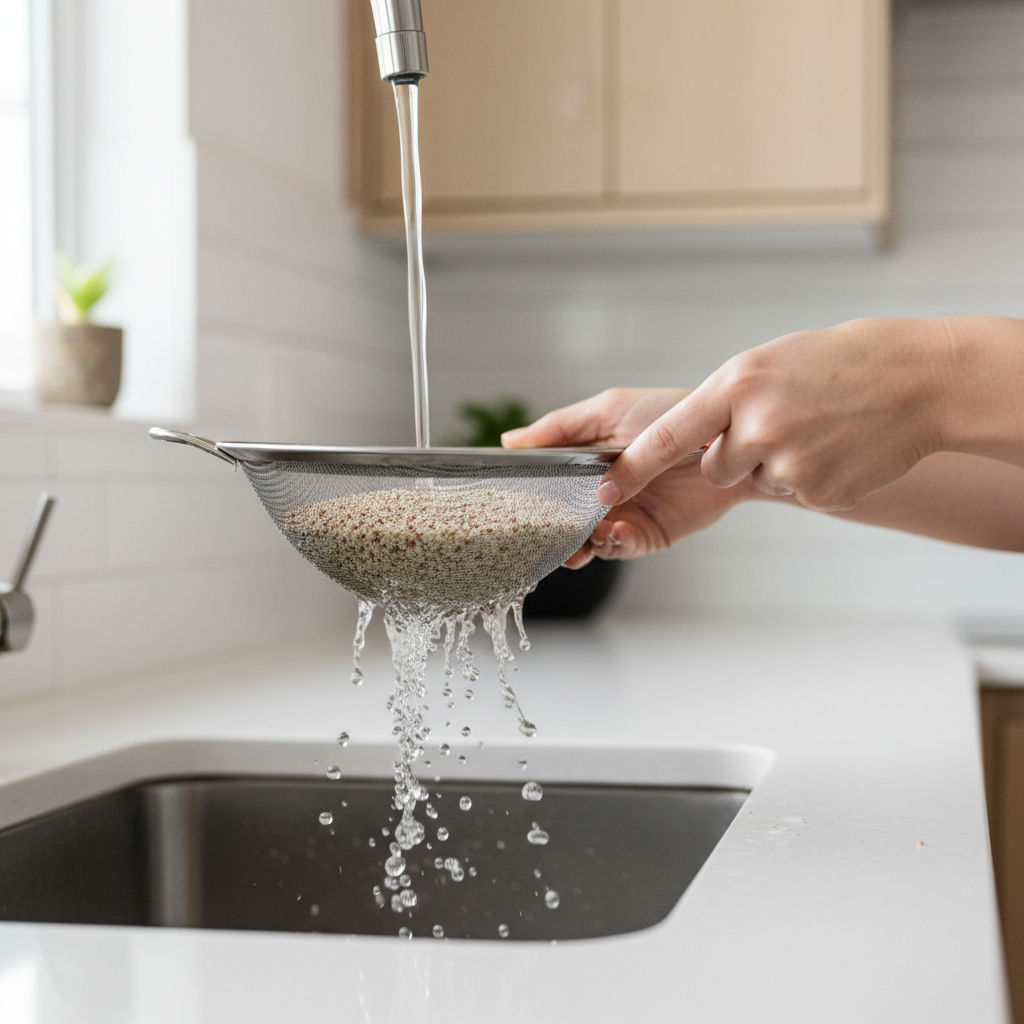
- Rinse well: Put quinoa in a fine-mesh strainer, rinse under cool water 20–30 seconds, rub lightly with your fingers.
- Drain thoroughly: Give it a few shakes, excess water matters more than people think.
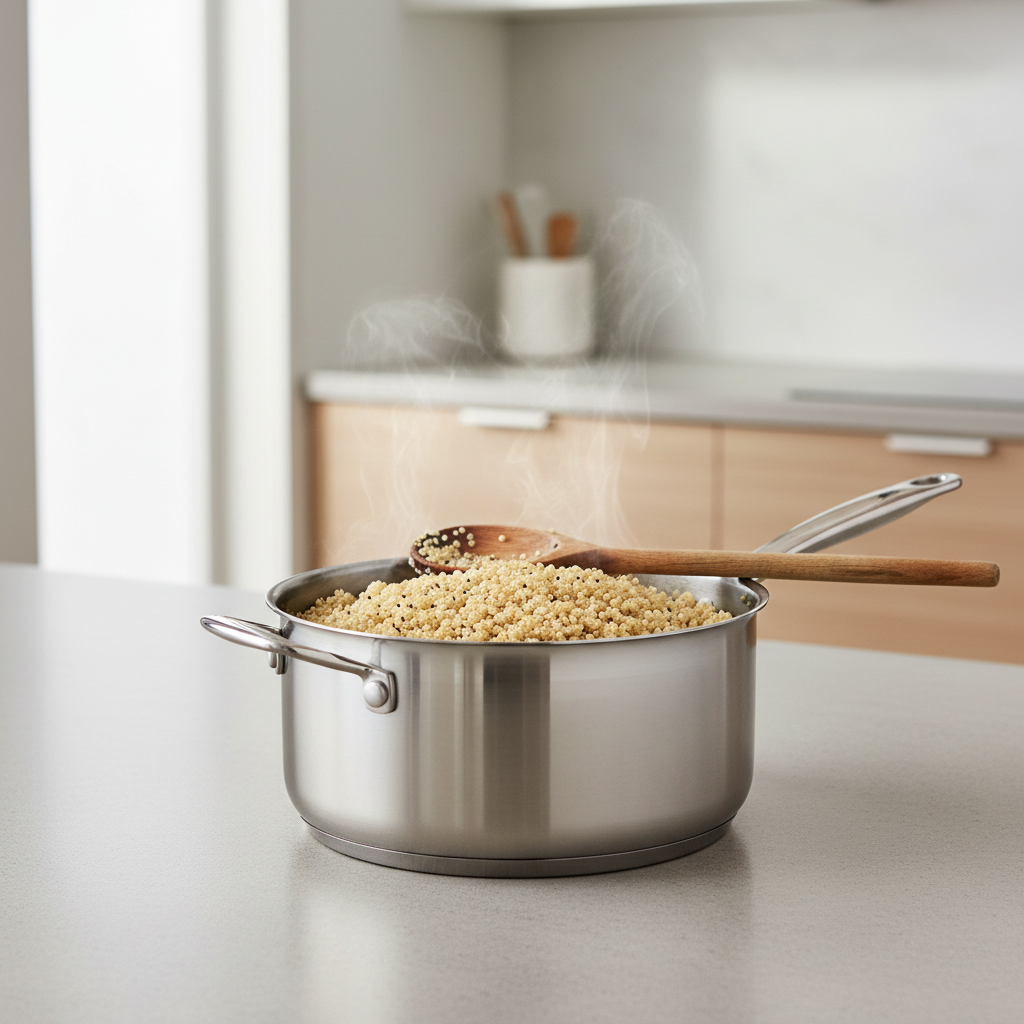
- Bring to a brief boil: Combine quinoa, water, salt in a medium saucepan, bring just to a boil.
- Reduce to low: Cover, simmer gently 12–15 minutes, until water is absorbed and you see the “tails.”
- Rest off-heat: Turn heat off, keep covered 5–10 minutes, this is the fluff step.
- Fluff with a fork: Not a spoon, a fork separates grains better.
Optional but worth it: toast for better flavor
If quinoa tastes “plain healthy,” toasting helps without adding much. After rinsing and draining, warm the saucepan, add quinoa, stir 2–3 minutes until nutty-smelling, then add your measured water.
This step doesn’t change your nutrition much, but it can change whether your family actually eats it.
Adjustments for different types of quinoa and common diets
Quinoa isn’t one-size-fits-all. Here are tweaks that keep texture consistent.
White vs red vs tri-color
- White quinoa: cooks fastest, usually the fluffiest, good for bowls and breakfast.
- Red quinoa: slightly firmer, great for salads where you want grains to hold shape.
- Tri-color: mixed texture, may need the higher end of simmer time.
Low-sodium or heart-conscious cooking
- Use water or low-sodium broth, salt lightly at the end if needed.
- Boost flavor with citrus, herbs, garlic, cumin, or a splash of vinegar rather than extra salt.
High-protein, meal-prep friendly
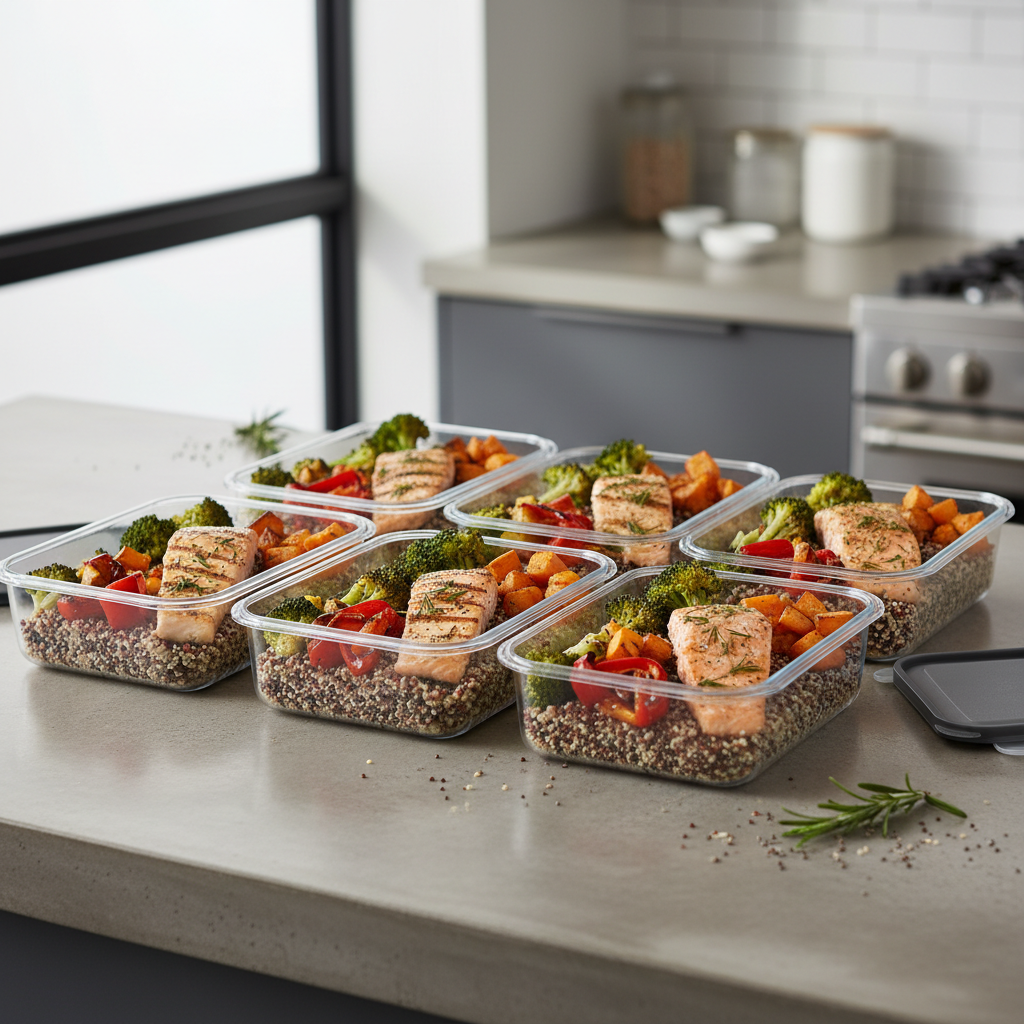
- Cook quinoa, cool quickly, then portion with beans, chicken, tofu, or Greek yogurt sauces.
- For a “lighter” bowl, mix half quinoa with riced cauliflower after cooking.
According to USDA FoodData Central, quinoa contributes protein, fiber, and minerals, which is part of why it shows up so often in healthy meal plans. If you manage a medical condition, it’s still wise to ask a clinician or dietitian what fits your needs.
Troubleshooting table: fix your quinoa fast
This is the section people come back to. Match your problem, then try the smallest change first.
| Problem | What it usually means | What to do next time |
|---|---|---|
| Mushy or sticky | Too much water, too high heat, no rest | Use 1:1.75 ratio, simmer low, rest covered 10 min |
| Crunchy center | Not enough water or time | Add 2–3 tbsp water, cover, steam 5 more minutes |
| Bitter/soapy taste | Not rinsed enough (saponins) | Rinse longer, drain well, consider a different brand |
| Burnt bottom | Heat too high or thin pot | Lower simmer, use heavier saucepan, check lid fit |
| Watery after cooking | Excess liquid trapped | Uncover and steam-dry on low 1–2 minutes, then rest |
Meal-prep: storage, reheating, and keeping it fluffy
Even if you nail how to cook quinoa fluffy healthy on day one, meal-prep can undo it. The key is cooling and reheating without trapping extra moisture.
- Cool quickly: Spread cooked quinoa on a sheet pan 5–10 minutes, then pack into containers. This reduces clumping.
- Refrigerate: Store in airtight containers, and aim to use within a few days.
- Freeze: Portion into flat bags or small containers so it thaws evenly.
- Reheat gently: Microwave with a damp paper towel, or warm in a skillet with a tablespoon of water, then fluff.
Common mistakes and “healthy” add-ins that don’t ruin texture
A lot of quinoa advice pushes heavy add-ins to make it taste better, then people wonder why the bowl feels dense. You can keep it light and still satisfying.
Mistakes that sabotage fluff
- Lifting the lid repeatedly during simmer, steam escapes and cook time gets uneven.
- Stirring while cooking, which releases starch and encourages clumps.
- Using a big excess of broth, then trying to “cook it off” by boiling hard.
Healthy flavor boosters that stay friendly to texture
- Acid at the end: lemon, lime, rice vinegar, improves brightness without heaviness.
- Fresh herbs: cilantro, parsley, dill, added after fluffing.
- Spices: smoked paprika, cumin, curry powder, bloom them in a dry pot if you toast quinoa.
- Crunch: toasted pepitas, almonds, or chopped cucumbers to offset soft grains.
Key takeaways + a simple next step
If you want quinoa that tastes clean and stays separate, treat it like a steam-and-rest grain, not a “boil until done” grain. Rinse, measure water with intention, simmer gently, then let the covered pot sit so the last moisture redistributes.
Your next step is simple: cook one batch using the 1 cup quinoa to 1 3/4 cups water method, then adjust only one variable next time, usually water or simmer time, until it matches your preference.
If you’re changing quinoa for health reasons like blood sugar control, kidney concerns, or digestive issues, it’s smart to check with a registered dietitian or your clinician, since “healthy” can mean different things depending on the person.