Cooking classes online can be a surprisingly good way to level up fast, but only if you pick a format that matches how you actually learn and the time you can realistically commit.
A lot of people buy a class, watch two lessons, then forget it exists, not because they “lack discipline,” but because the class structure fights their schedule, kitchen setup, or skill level. The best online option is usually the one you’ll finish.
This guide breaks down the major types of online classes, what to look for before paying, and a few practical ways to get real results from video-based learning, plus a quick comparison table you can screenshot.
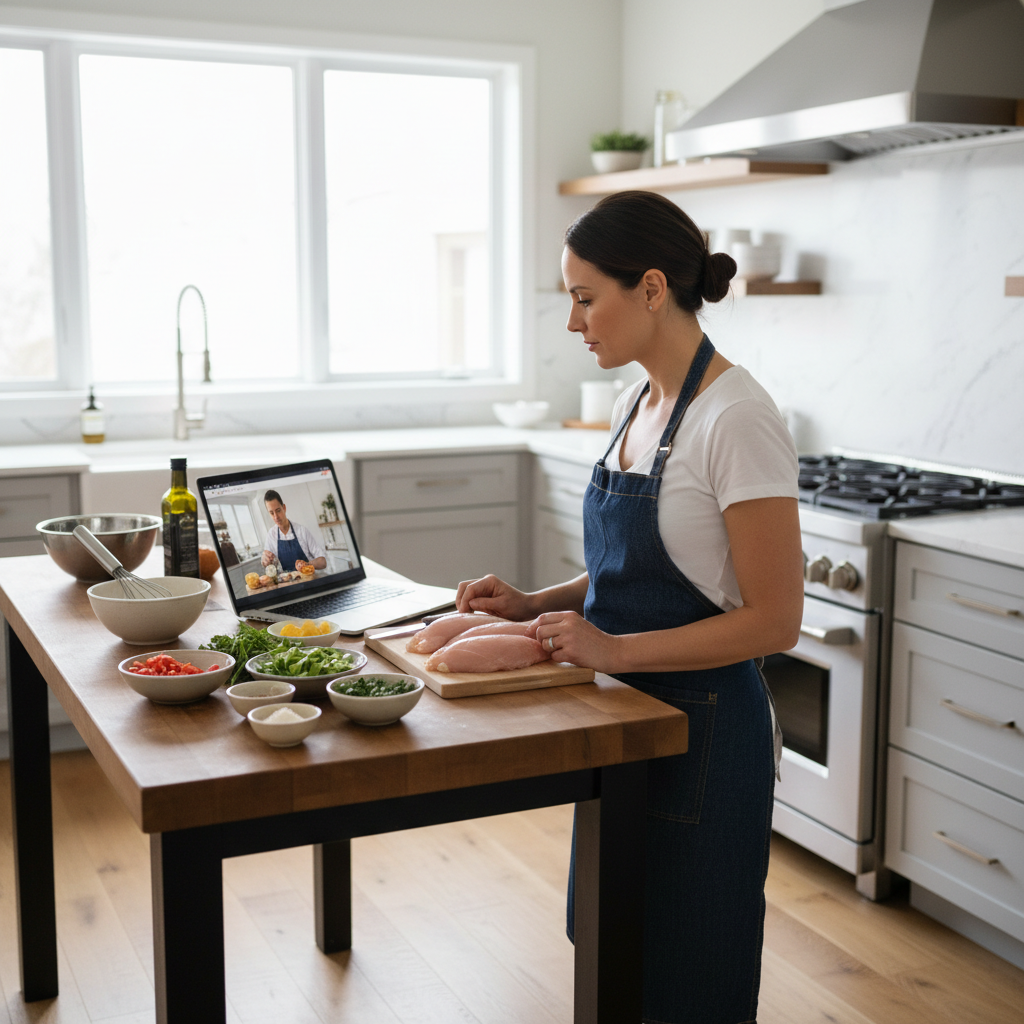
What “best” means for online cooking classes (it depends)
There isn’t one best pick for everyone, because online learning has tradeoffs: you gain flexibility, but you lose the instructor’s ability to taste your food or physically correct technique. So “best” usually comes down to fit.
- Skill level: True beginners need knife skills, heat control, and simple timing, not a 40-minute masterclass on consommé.
- Goal: Weeknight dinners, baking fundamentals, date-night dishes, meal prep, or cuisine exploration each needs different pacing.
- Feedback needs: Some people thrive with self-paced videos, others need live Q&A to stay on track.
- Kitchen reality: Small kitchens, limited tools, kids, or roommates change what’s sustainable.
Key takeaway: the best online program is the one that matches your constraints and still nudges you to practice regularly.
The main types of online cooking classes (and who they work for)
Most online options fall into a few categories, and recognizing the category helps you avoid buying the wrong thing.
1) Live small-group classes
Great if you want accountability and the ability to ask “Is my sauce too thick?” in real time. You’ll also learn by watching other students’ mistakes, which is underrated.
2) Live large webinars
Usually cheaper than small-group, sometimes with chat Q&A. The instruction can be solid, but don’t expect personal feedback.
3) Self-paced course libraries (subscription)
Best when you like variety and can self-direct. The risk is “buffet behavior,” browsing endlessly without cooking.
4) One-off recorded courses (single purchase)
Good for focused goals like sourdough, pasta, or knife skills. The quality varies, so you’ll want previews and a clear syllabus.
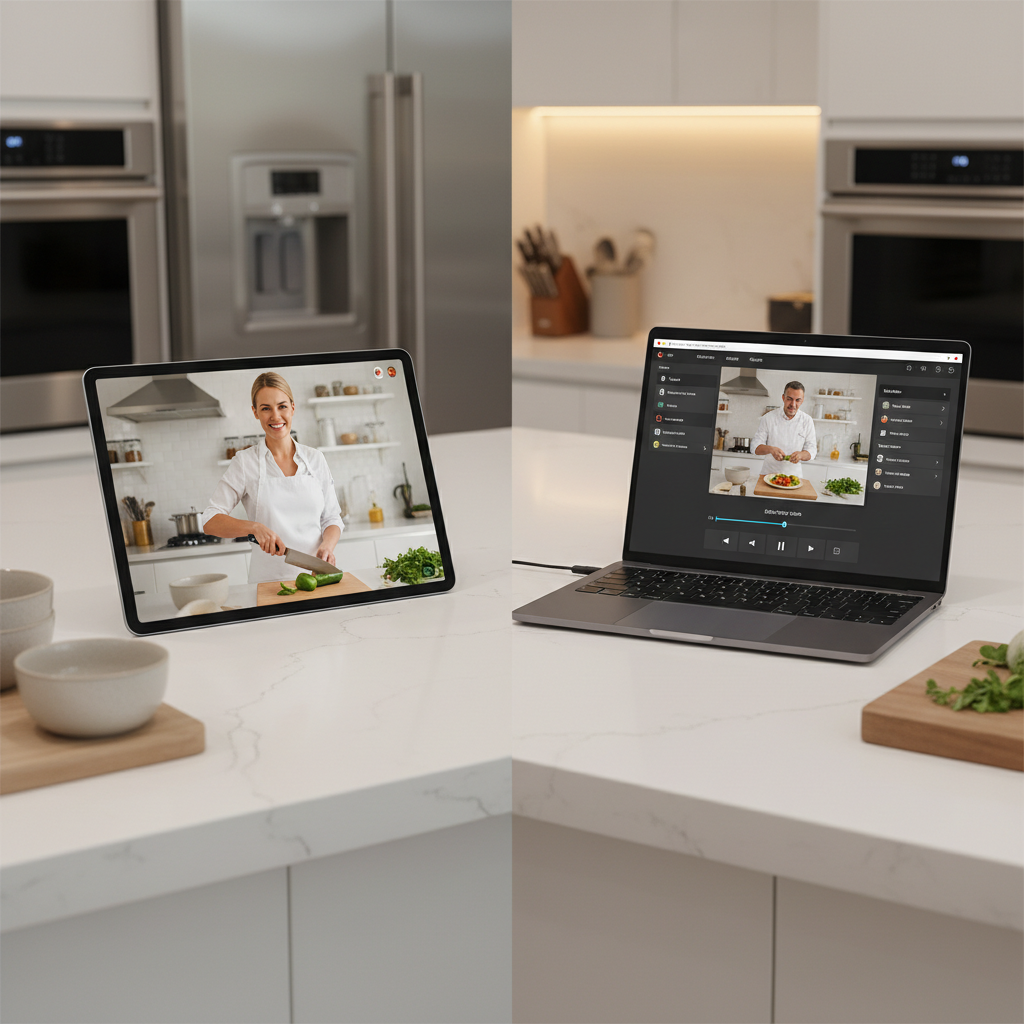
A quick comparison table you can use before you buy
Use this as a filter. You can be picky here and save money later.
| Format | Best for | Typical drawbacks | What to check |
|---|---|---|---|
| Live small-group | Hands-on learners, accountability | Scheduling, higher cost | Class size, Q&A time, ingredient list sent early |
| Live webinar | Budget learners, entertainment + basics | Limited feedback | Replay access, chat moderation, pacing |
| Subscription library | Explorers, long-term skill building | Easy to stall out | Curriculum paths, beginner tracks, search/filter tools |
| Single recorded course | Targeted goals (baking, pasta) | Quality varies widely | Lesson previews, instructor credibility, refund policy |
| Recipe app + videos | Weeknight cooking support | Less technique depth | Video clarity, measurement units, timing guidance |
How to evaluate an online class like a real cook (not just a shopper)
Marketing often highlights gorgeous plating, but learning to cook is mostly repetition, timing, and fixing small mistakes. Here’s what actually predicts a useful experience.
- Clear outcomes per lesson: “Make a pan sauce” is actionable, “Elevate your flavors” is vague.
- Camera angles and audio: You need to see the pan and hear the sizzle, not just the instructor’s face.
- Mistake handling: The best instructors show what can go wrong and how to recover.
- Ingredient substitutions: Especially important in the US where brands and availability vary by region.
- Reasonable equipment assumptions: If the course requires a stand mixer, Dutch oven, and immersion blender, it’s not “beginner-friendly,” no matter how it’s labeled.
Also, check whether lessons include printable prep lists. That sounds minor, but it’s often the difference between cooking tonight and bookmarking forever.
Self-check: which online cooking class style will you actually finish?
If you’re not sure where you fit, answer these quickly and be honest. This is the part people skip, then regret later.
- If you tend to abandon online courses, you probably need live sessions or a short, focused course.
- If you hate strict schedules, choose self-paced cooking classes with a structured “start here” path.
- If you mostly cook after work, look for 30–45 minute lessons and recipes designed for weeknights.
- If your biggest issue is “my food tastes flat,” prioritize seasoning, sauces, and fundamentals over niche cuisines.
- If you get anxious about safety, pick courses that teach knife handling and food temperature basics, and consider asking a professional if you have specific health concerns.
Practical steps to get results from online cooking classes
Online learning works when you treat it like a tiny routine, not a big project. Here’s a simple approach that tends to stick.
Pick one skill for two weeks
Examples: sautéing without crowding the pan, roasting vegetables, making rice without guesswork, or basic emulsions. Two weeks is long enough to improve, short enough to stay motivated.
Cook the same recipe twice
The first run is for survival, the second is where learning shows up. Many people keep “collecting” recipes and never get the second rep, which is where confidence builds.
Use a mise en place checklist
Write a short prep list before you start. It reduces stress and helps you keep pace with a video lesson.
Record one note after each session
One sentence is enough: “Pan wasn’t hot before chicken,” or “Needed more salt at the end.” Over time, these notes become your personal curriculum.
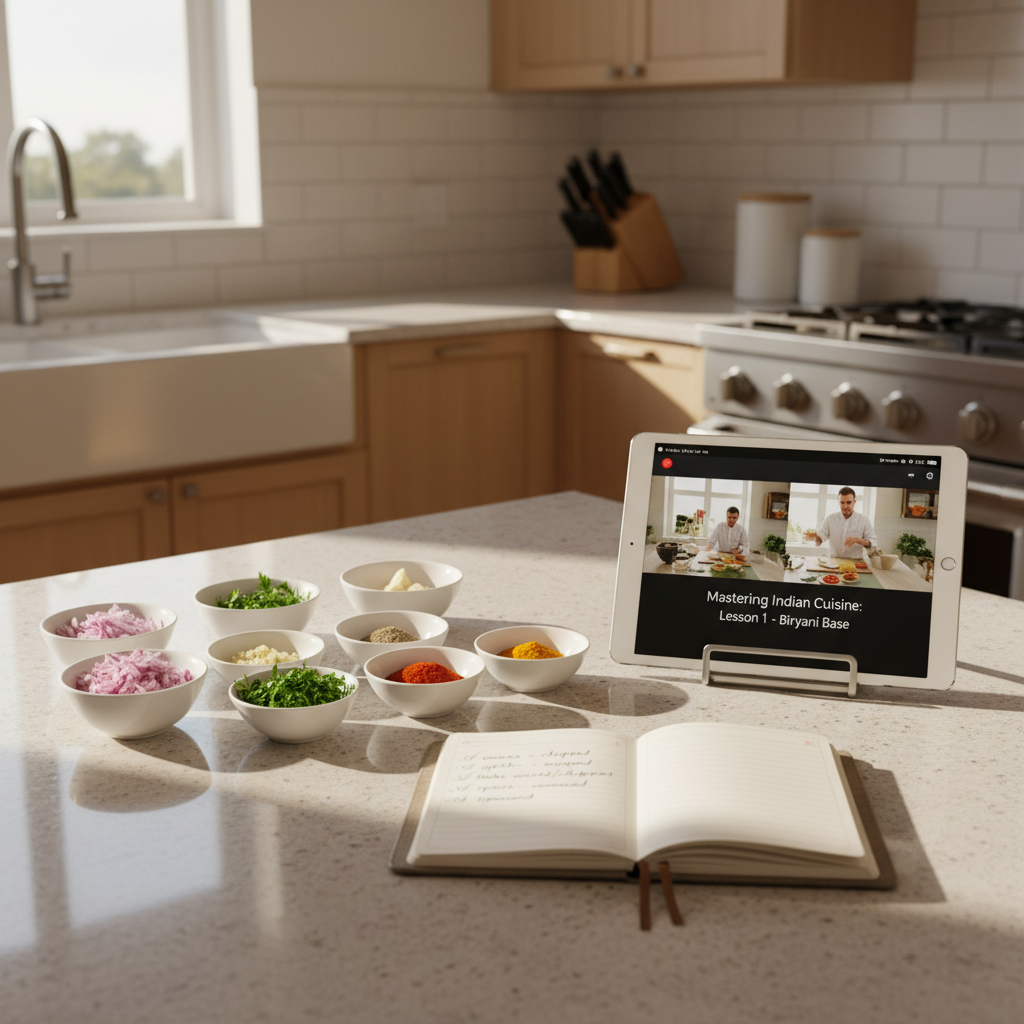
Food safety and common mistakes to avoid
Online cooking can encourage multitasking, which is where mistakes happen. A few guardrails help.
- Don’t rely on video timing alone: Your stove, pan, and ingredient temperature change cook time. Use visual cues and, when appropriate, a thermometer.
- Watch for cross-contamination: Raw poultry and cutting boards are the classic issue. According to USDA Food Safety and Inspection Service, keeping raw meat separate and washing hands and surfaces reduces risk.
- Knife skills are not just “speed”: Focus on stability and control. Slow is fine.
- Salt timing matters: Under-salting early forces you to over-salt late. Learn where early seasoning helps, and where it doesn’t.
- Chasing perfection kills momentum: The goal is repeatable, good food, not restaurant plating every night.
If you have dietary restrictions, allergies, or medical nutrition needs, online lessons can be a starting point, but it’s often wise to consult a qualified professional for tailored guidance.
When it makes sense to get more help
Sometimes the issue isn’t effort, it’s missing feedback. Consider upgrading your support if any of these feel familiar.
- You keep getting the same outcome, like tough chicken or broken sauces, even after multiple attempts.
- You want to cook for a specific health goal and need personalized nutrition guidance.
- You feel unsafe with knives or high heat and want supervised instruction.
- You’re preparing for an event and need a reliable plan and timing.
In those cases, a live class, a local in-person session, or a short coaching-style program can be more efficient than buying another big video library.
Conclusion: choose the class you’ll repeat, not the one that looks impressive
The best online cooking classes usually share a few traits: clear fundamentals, realistic pacing, and a structure that pushes you to practice. If you pick a format that fits your schedule and commit to one skill for two weeks, you’ll feel the difference quickly.
Action steps: choose one class format today, then schedule your first cook on the calendar, even if it’s just a 30-minute lesson. Momentum beats intention.
FAQ
What are the best online cooking classes for beginners?
Look for beginner tracks that teach knife basics, heat control, and seasoning, with short lessons and repeatable recipes. If you get stuck easily, live Q&A helps more than extra video hours.
Are live online cooking classes worth it?
They can be, especially if you struggle to follow through. Real-time questions and a set schedule create accountability, but only if the time slot fits your week.
How much do online cooking classes typically cost in the US?
Pricing varies by format and brand. Subscription libraries often cost less per lesson if you use them consistently, while small-group live sessions tend to cost more because feedback time is limited and valuable.
Do I need special equipment for virtual cooking lessons?
Many classes assume standard home gear, but some tracks lean on specialty tools. Before buying, scan the equipment list and decide whether you want to invest or pick a class built around basics.
How do I know if an instructor is credible?
Check whether the instructor explains technique clearly, acknowledges common failures, and provides structured lesson outcomes. Credentials can help, but teaching clarity matters more for home cooks.
What if my food never looks like what’s in the video?
That’s normal. Lighting, cookware, and ingredient differences change appearance. Focus on doneness cues and taste, and use the second attempt to adjust heat and seasoning.
Can online cooking classes help with meal prep and healthy eating?
Often, yes, especially if the course includes planning, batch cooking, and storage guidance. If you have medical needs, consider checking advice with a registered dietitian or clinician.
If you’re trying to pick between a few cooking classes and want a more frictionless plan, you can start by listing your weekly cooking windows, your must-learn skills, and your current equipment, then choose the format that matches those constraints instead of chasing the fanciest syllabus.