
Marinade recipes can make the difference between meat that tastes fine and meat people actually ask you to cook again, because a good marinade handles two jobs at once, flavor and texture.
If you’ve ever pulled chicken off the grill and thought “why is it still kind of flat,” or you’ve had steak that browned nicely but tasted one-note, the issue is usually the seasoning never had time or help getting past the surface.
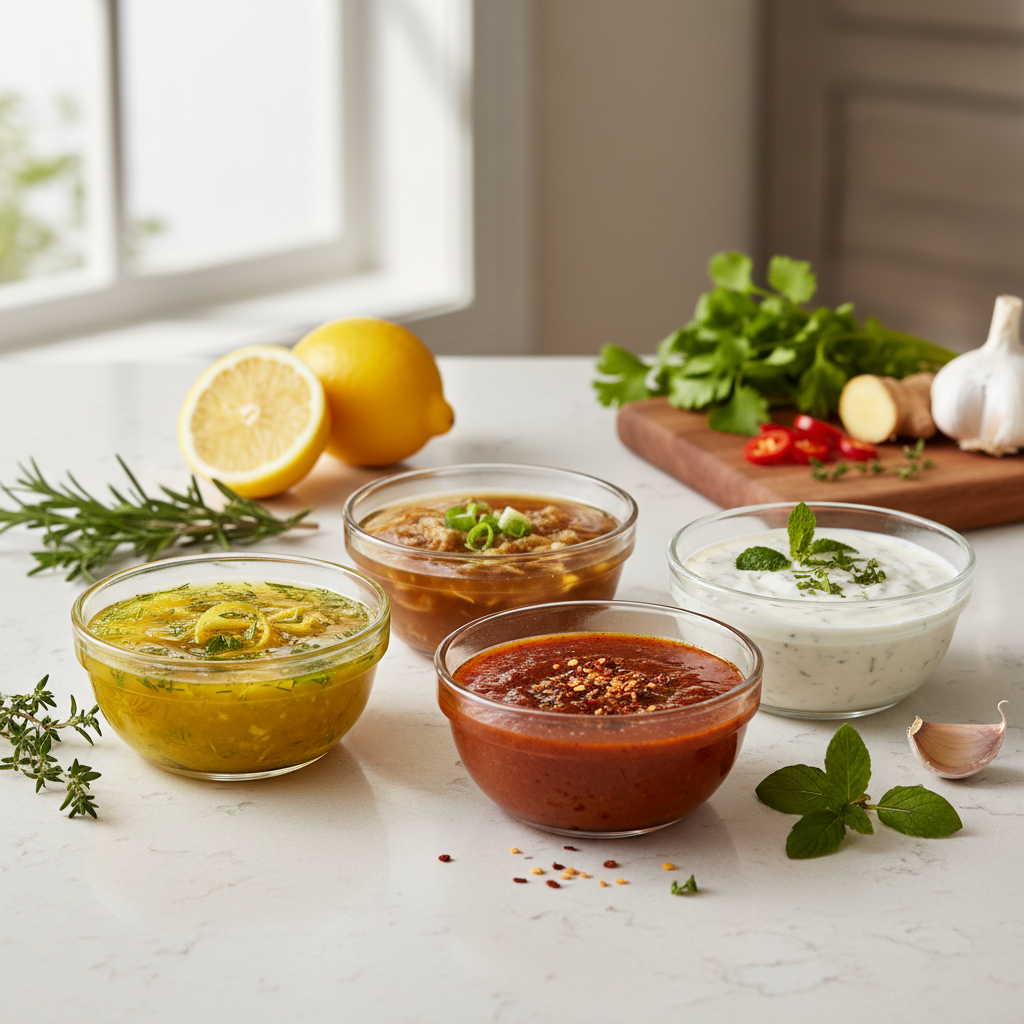
This guide gives you dependable marinades for common meats, plus realistic timing, food-safety guardrails, and a few “save it” moves when dinner snuck up on you.
How marinades work (and why some disappoint)
Most marinade recipes sit on a simple structure, salt + acid + fat + aromatics. When one part is missing or overdone, the result can feel underwhelming or, worse, a little “cooked” on the outside and raw-tasting inside.
- Salt (soy sauce, kosher salt, fish sauce) helps seasoning penetrate and improves juiciness in many cases.
- Acid (lemon, lime, vinegar, wine, yogurt) brightens flavor, but too much time can make some proteins turn mushy.
- Fat (olive oil, sesame oil) carries fat-soluble flavors and helps browning.
- Aromatics (garlic, herbs, spices) bring the “personality,” but they need enough salt to read clearly.
According to USDA, raw meat and poultry should be marinated in the refrigerator, not on the counter, and any marinade that touched raw protein should not be reused unless boiled first.
Quick self-check: pick the right marinade for your meat
If you match marinade style to the cut, you avoid the classic mistakes, like overpowering delicate fish or leaving a thick steak under-seasoned.
- Lean + mild (chicken breast, pork tenderloin): choose briny/salty marinades with a little oil, moderate acid.
- Rich + beefy (ribeye, skirt steak): go bolder, soy, Worcestershire, chile, black pepper, aromatic-forward.
- Tough cuts (flank, chuck for kabobs): prioritize salt, a touch of acid, and enough time.
- Seafood (shrimp, salmon): keep it short, high flavor, low time commitment.
One more practical check, if your marinade has a lot of sugar or honey, expect faster browning and possible scorching on high heat, so plan to use medium heat or wipe off excess before cooking.
Timing and safety chart (what “enough” usually looks like)
People often ask for exact hours, but real kitchens vary by cut thickness, acid level, and fridge temp. Still, this table keeps you in a safe, good-tasting range.
| Protein | Typical marinade time | Max time (common guidance) | Notes |
|---|---|---|---|
| Chicken pieces (thighs/drums) | 2–8 hours | 24 hours | Great for acidic marinades; longer usually fine if not overly acidic. |
| Chicken breast | 30 min–4 hours | 12 hours | Too long in strong acid can make texture a bit chalky. |
| Steak (1–1.5 inch) | 1–6 hours | 24 hours | Salt-forward marinades help; very acidic mixes can toughen the exterior. |
| Pork chops | 1–6 hours | 24 hours | Pairs well with fruit, mustard, or herb marinades. |
| Shrimp | 10–30 min | 1 hour | Acid works fast; longer can make shrimp rubbery. |
| Salmon | 20–60 min | 2 hours | Use lower acid, more aromatics; pat dry before searing. |
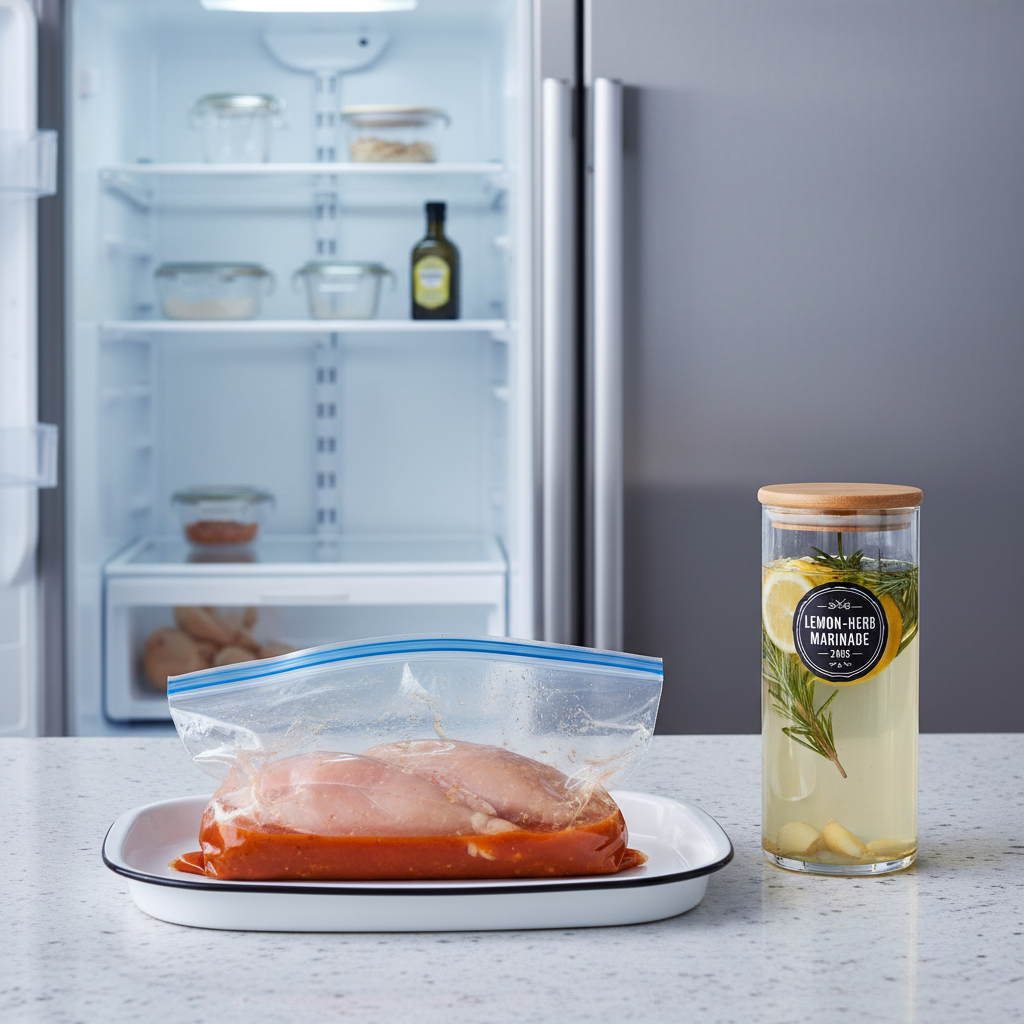
Key takeaway: stronger acid and thinner proteins mean shorter marination, thicker cuts and salt-forward mixes can go longer without the texture getting weird.
6 go-to marinade recipes (with best uses)
These marinade recipes are written to be mixed in a bowl or jar, then poured into a zip-top bag or shallow container. Amounts generally cover about 1.5–2 pounds of meat.
1) Classic lemon-herb (chicken, pork, veggies)
- 1/4 cup olive oil
- 3 tbsp lemon juice
- 2 cloves garlic, finely grated
- 1 tsp kosher salt
- 1/2 tsp black pepper
- 1 tbsp chopped parsley + 1 tsp dried oregano (or 1 tbsp fresh oregano)
Why it works: bright and clean, not heavy, and it plays nicely with grilling or roasting. If you plan high heat, pat the meat dry so the herbs don’t burn.
2) Soy-ginger sesame (steak tips, chicken thighs, salmon)
- 1/3 cup low-sodium soy sauce
- 2 tbsp rice vinegar
- 1 tbsp sesame oil
- 1 tbsp brown sugar or honey
- 1 tbsp grated ginger
- 2 cloves garlic, minced
- Optional: sliced scallions, pinch of chili flakes
Cook note: sugar helps caramelize, but it can scorch, so use medium-high heat and avoid pooling marinade in the pan.
3) Smoky chili-lime (skirt steak, chicken wings, shrimp)
- 2 tbsp neutral oil
- 2 tbsp lime juice
- 1 tbsp chili powder
- 1 tsp smoked paprika
- 1 tsp kosher salt
- 1/2 tsp cumin
- 1 tsp maple syrup (optional, rounds edges)
Best timing: 30 minutes to 2 hours for most meats. For shrimp, keep it closer to 15 minutes.
4) Garlic yogurt (chicken, lamb, kebabs)
- 3/4 cup plain yogurt
- 2 tbsp lemon juice
- 2 tbsp olive oil
- 3 cloves garlic, grated
- 1 1/2 tsp kosher salt
- 1 tsp ground coriander + 1/2 tsp turmeric (optional)
Why it works: yogurt clings and browns well, and many cooks find it helps tenderness without the harsh “acid bite.” Wipe off excess before grilling for cleaner char.
5) Mustard-maple (pork chops, chicken, salmon)
- 2 tbsp Dijon mustard
- 2 tbsp maple syrup
- 2 tbsp apple cider vinegar
- 2 tbsp olive oil
- 1 tsp kosher salt
- 1/2 tsp black pepper
Flavor profile: tangy-sweet and very weeknight-friendly. Works especially well with roasted pork and a sheet pan of carrots or Brussels sprouts.
6) “Texas-ish” coffee-Worcestershire (beef, venison)
- 1/4 cup brewed coffee, cooled
- 2 tbsp Worcestershire sauce
- 1 tbsp soy sauce
- 2 tbsp neutral oil
- 1 tsp kosher salt
- 1 tsp coarse black pepper
- 1/2 tsp garlic powder + 1/2 tsp onion powder
Expectation setting: this doesn’t make tough cuts magically tender, but it adds deep savory notes that hold up to smoke, grill, or cast iron.
Practical steps: marinate, cook, and use it without waste
Good marinade execution is mostly boring habits, but they save you from off flavors and soggy browning.
- Use a zip-top bag when possible, it coats evenly with less liquid.
- Keep thickness consistent, pound chicken breasts or slice thick cuts into even pieces for predictable timing.
- Pat dry before searing, moisture is the enemy of browning, especially with oil-heavy mixes.
- Salt awareness, if you use full-salt soy sauce plus added salt, it can tip too salty.
- Reserve sauce safely, if you want a finishing sauce, set aside a clean portion before raw meat goes in, or boil used marinade and simmer briefly, though texture and taste vary.
If you’re truly short on time, a “fast marinade” still helps, 15–30 minutes with salt, garlic, and something acidic can noticeably improve chicken or shrimp, just don’t expect the depth of an overnight soak.
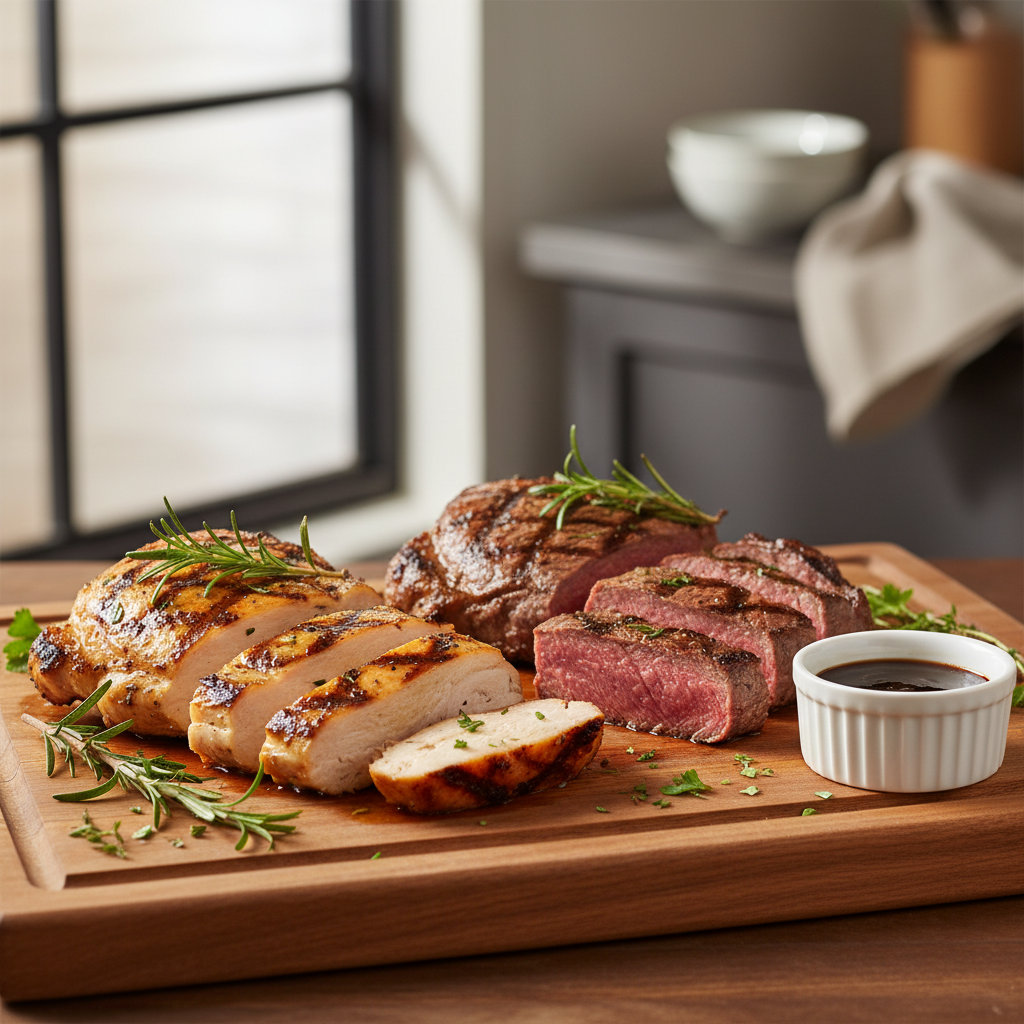
Key points to remember: marinate cold, don’t reuse raw-contact liquid as-is, and dry the surface before high-heat cooking.
Common mistakes (that make meat worse, not better)
- Too much acid for too long, especially on chicken breast or shrimp, texture can turn pasty or rubbery.
- No salt because you’re “seasoning later,” flavor stays surface-level and easy to miss after cooking.
- Over-sugared marinades on ripping heat, you get bitter burn spots before the meat finishes.
- Marinating in reactive metal (some aluminum pans), acidic mixes can pick up metallic notes, glass or food-safe plastic is simpler.
- Expecting marinade to replace technique, overcooking still dries meat out, even with great marinade recipes.
When to adjust or ask a pro
If you cook for someone with kidney disease, hypertension, or other sodium-sensitive conditions, high-salt marinades may not be appropriate, it’s worth checking with a clinician or dietitian who knows the situation.
Food safety questions also deserve real caution, if meat sat out while marinating, smells off, or you’re unsure about cross-contamination, it’s usually smarter to discard it than to “cook it extra” and hope.
Conclusion: a simple system you can repeat
Marinade recipes work best when you treat them like a small system, pick a style that fits the cut, stay in a reasonable time window, and cook in a way that lets browning happen.
If you want one easy next step, choose one marinade from this list, make a double batch, and keep half in the fridge for a second night, then you’re not reinventing dinner every time.
FAQ
What are the best marinade recipes for chicken that won’t dry it out?
Lemon-herb and garlic yogurt are dependable because they season well and stay balanced. For chicken breast, keep acidic marinades shorter and avoid very high heat without drying the surface first.
How long should I marinate steak for real flavor?
Many steaks do well with 1–6 hours, especially in soy-Worcestershire style mixes. Very thick cuts may benefit from longer time, but a heavily acidic marinade can make the exterior taste a little “cured.”
Can I reuse marinade as a sauce?
Only if you reserved a clean portion before adding raw meat, or you boil the used marinade first. Even when boiled, it may taste harsh or overly salty, so taste and adjust carefully.
Do marinades actually tenderize meat?
Sometimes, but not in a dramatic way for every cut. Salt can improve juiciness, and mild acids can soften the surface, but tough cuts still benefit from proper slicing, cooking method, and not overcooking.
What’s a good quick marinade when I have only 30 minutes?
Use salt, a little acid, and strong aromatics: soy-ginger works fast, and chili-lime is great for thin cuts and shrimp. Keep it simple and focus on patting dry before cooking.
Should I poke holes in meat so the marinade soaks in?
For most home cooking, it’s not necessary and can leak juices. If you want more impact, cut thick meat into thinner pieces or use a salt-forward marinade and give it a bit more time.
Is it okay to marinate in the freezer to “save time”?
It can be done as a planning trick, the meat thaws and marinates slowly, but results vary and timing is harder to predict. Keep everything sealed, label it, and thaw safely in the refrigerator.
Why does my grilled meat burn when I use marinades?
Usually it’s sugar and wet surface moisture. Wipe off excess marinade, use medium heat, and add any sweet glaze near the end instead of from the start.
If you’re cooking for a week of lunches or you just want less guesswork, pick two marinade recipes, one bright (lemon-herb) and one bold (soy-ginger), and rotate them with different cuts, it keeps meals varied without turning dinner into a project.