
Vegetable soup can be hearty enough for dinner, but only if you build flavor and texture on purpose, otherwise it turns into a thin bowl of hot water with carrots.
If you want a pot that feels comforting, reheats well, and doesn’t require fancy ingredients, the trick is learning a few repeatable moves: how you start the base, when you add vegetables, and what you use to finish.
Below you’ll find dependable recipes, a quick choose-your-soup table, and practical tips for making it taste like you actually meant to cook, even on a weeknight.
What makes a vegetable soup feel “hearty” (not watery)
Most “meh” soups fail in predictable ways: not enough browning, too much liquid, vegetables cooked past their best moment, and no finishing acid or fresh herbs.
- A strong base: sauté aromatics (onion, celery, carrot) long enough to get sweet and slightly golden.
- Body: beans, lentils, potatoes, barley, or a blended portion of the soup adds thickness without cream.
- Layered seasoning: salt early, taste again late, and finish with acid (lemon, vinegar) so flavors pop.
- Smart timing: quick-cooking vegetables go in later, so they stay vibrant and still taste like themselves.
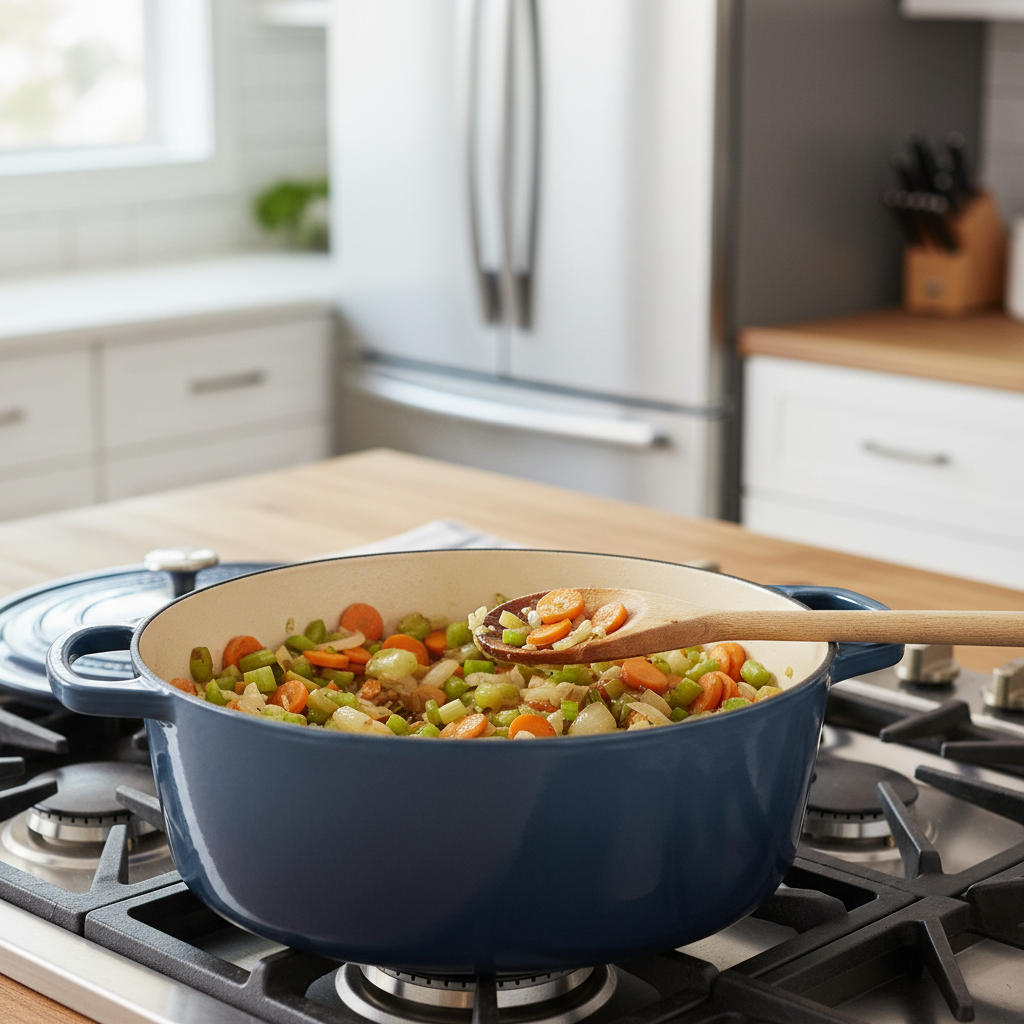
Key point: if you only boil vegetables in broth, you get “healthy,” not “craveable.” Browning and finishing steps do most of the heavy lifting.
Pick your pot: a quick guide to 6 hearty styles
If you’re deciding what to make based on what’s in the fridge, this table helps you match ingredients to a soup style that won’t feel flimsy.
| Soup style | Best for | Texture goal | Flavor boosters |
|---|---|---|---|
| Lentil + veg | Budget, meal prep | Thick, spoon-coating | Cumin, smoked paprika, lemon |
| Bean + greens | High protein, pantry cooking | Brothy but substantial | Garlic, rosemary, Parmesan rind |
| Chunky minestrone | “Use what you have” | Lots of bites | Tomato paste, basil, balsamic |
| Blended vegetable | Kids, picky eaters | Velvety | Roasted veg, yogurt swirl |
| Potato + veg | Extra filling | Rustic, thicker broth | Leeks, thyme, mustard |
| Grain-forward (barley/farro) | Cold nights, leftovers | Chewy + rich | Bay leaf, soy sauce, herbs |
3 hearty vegetable soup recipes you can rotate all season
Each recipe below follows the same logic: build a flavorful base, add a “backbone” ingredient for body, then finish with something bright.
1) Weeknight Lentil & Vegetable Soup (stove-top)
This one tastes fuller than the ingredient list suggests, and it tends to reheat without falling apart.
- Base: olive oil, 1 onion, 2 celery stalks, 2 carrots, minced garlic
- Backbone: brown or green lentils (not red, unless you want it very soft)
- Vegetables: diced tomatoes, zucchini, spinach or kale
- Seasoning: cumin, smoked paprika, bay leaf, black pepper
Steps: sauté aromatics until golden at the edges, stir in tomato paste and spices for 30–60 seconds, add lentils and broth, simmer until lentils turn tender, then add quick veg and greens at the end, finish with lemon juice.
2) Tuscan White Bean & Greens Soup (with optional Parmesan)
This is the “I have beans and greens” solution, and it often tastes restaurant-like with one simple addition.
- Base: onion, garlic, fennel or celery, olive oil
- Backbone: cannellini beans (canned works), a small potato if you want extra body
- Greens: kale, escarole, or Swiss chard
- Finish: red wine vinegar or lemon, lots of black pepper
Steps: sauté base, add broth and beans, mash a cup of beans against the pot to thicken, simmer 10–15 minutes, add greens until just wilted, finish with acid. If you eat dairy, a Parmesan rind simmered in the pot can add savory depth.
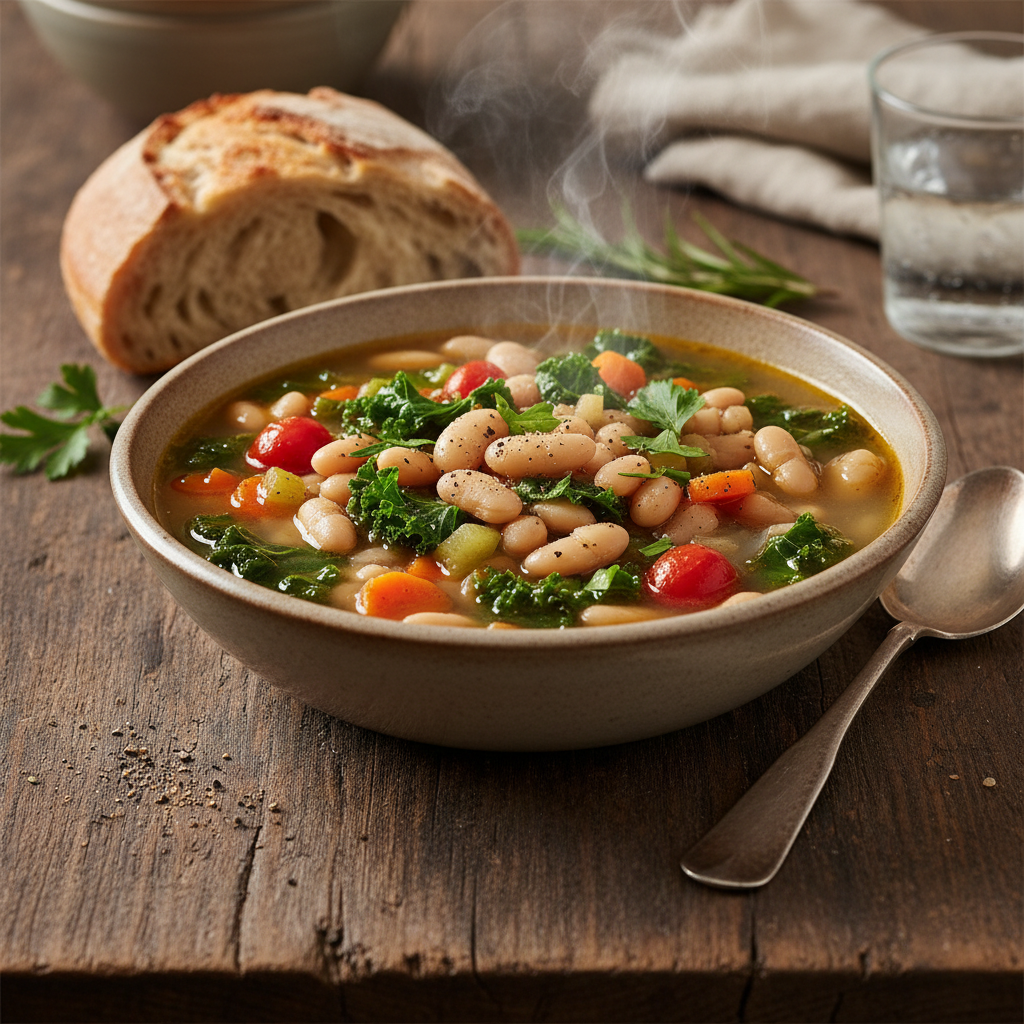
Small but real upgrade: drizzle good olive oil on top right before eating, it changes the whole feel.
3) Hearty Minestrone with Pasta (or grain)
Minestrone is forgiving, but it gets heavy fast if you don’t control the starch and timing.
- Base: onion, celery, carrot, garlic, tomato paste
- Vegetables: green beans, zucchini, cabbage, whatever needs using
- Protein/body: beans, plus small pasta or farro
- Finish: basil, a splash of balsamic or lemon
Steps: brown the base, toast tomato paste, add broth and firm vegetables first, then beans, and cook pasta separately if you want leftovers that don’t turn mushy. Stir pasta in per bowl, finish with herbs.
A simple “make it taste better” checklist (use it while cooking)
When a pot of vegetable soup tastes flat, it’s usually one of these, and the fix is quick.
- It tastes thin: simmer uncovered to reduce, or blend 1–2 cups and stir back in.
- It tastes bland: add salt in small pinches, then taste, then repeat.
- It tastes dull: add a teaspoon of vinegar or a squeeze of lemon.
- It tastes “sweet”: add pepper, herbs, or a little soy sauce for savory depth.
- Vegetables feel mushy: add tender veg late, and stop cooking once they turn just-tender.
According to USDA guidance on food safety, hot soups should be cooled quickly and refrigerated promptly, and leftovers should be reheated until steaming hot, especially when serving kids or older adults.
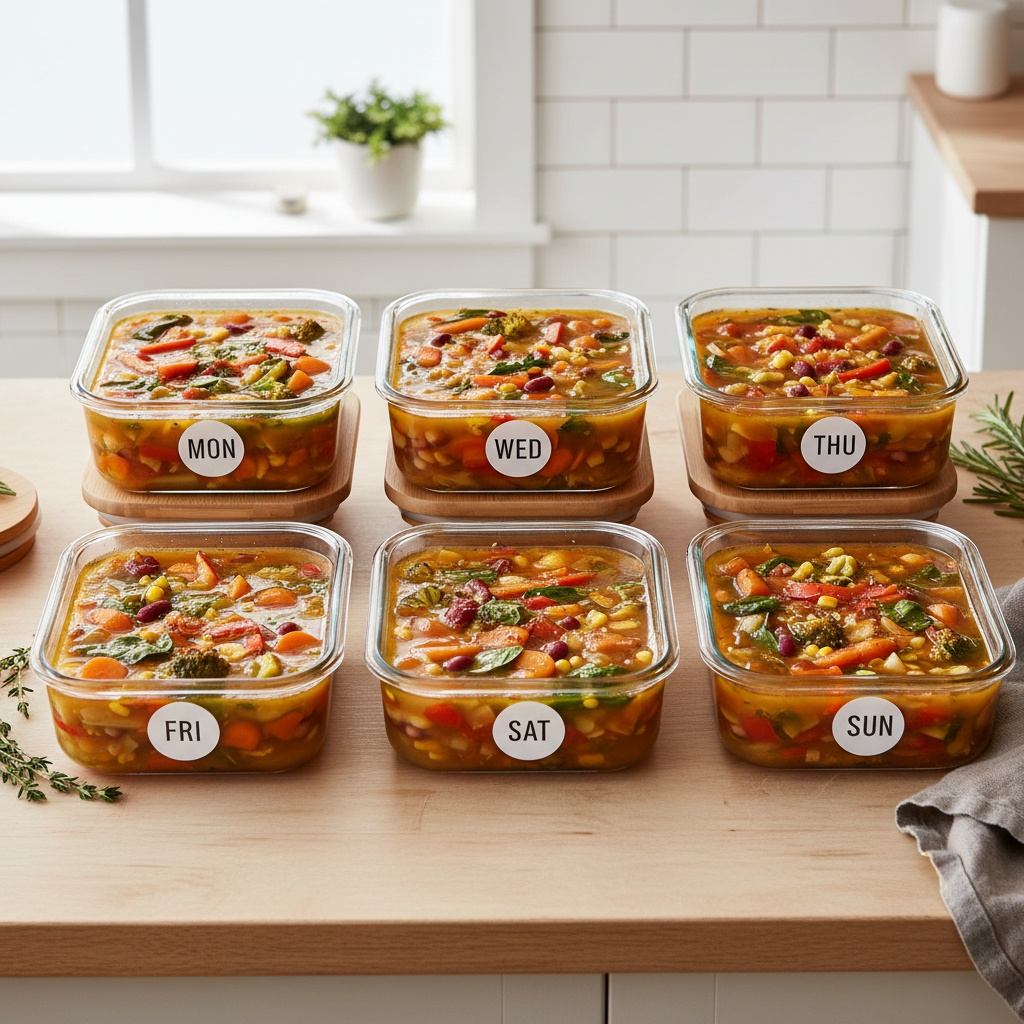
Meal-prep and storage tips that keep texture intact
A hearty pot is great for leftovers, but a few ingredients don’t age gracefully. If meal prep matters to you, plan around that.
- Cook pasta/rice separately and add when serving, otherwise it keeps absorbing broth.
- Greens at the end if you want them bright, add fresh when reheating rather than day one.
- Freeze smart: bean-and-lentil soups usually freeze well; soups with lots of potatoes can turn grainy, though many people still find them totally fine.
- Salt gradually: soups reduce as they simmer, so a light hand early prevents over-salting later.
If you’re cooking for someone with kidney disease, heart failure, or sodium restrictions, it may be worth checking with a clinician or dietitian, because “healthy soup” can still carry a lot of salt depending on broth and canned goods.
Common mistakes (and what I’d do instead)
- Using only water or low-flavor broth: even a simple broth benefits from tomato paste, mushrooms, or a dash of soy sauce.
- Skipping fat entirely: a little olive oil helps flavors carry; you can keep it moderate without making soup “heavy.”
- Dumping all vegetables at once: potatoes and carrots can handle long simmering, zucchini and spinach cannot.
- Overcrowding the pot: too many vegetables with too little simmer time gives “steamed salad” vibes, let it actually simmer.
- No finish: fresh herbs, citrus, or vinegar is often the difference between OK and great.
Conclusion: a repeatable formula for comforting soup nights
When vegetable soup tastes satisfying, it’s rarely because of one magic ingredient, it’s the pattern: build a browned base, add something that gives body, keep timing in mind, then finish with a bright note.
If you want an easy next step, pick one recipe above and cook it twice, the second time you’ll start noticing where your pot wants more salt, more acid, or a thicker texture, and that’s where “hearty” becomes predictable.
FAQ
- How do I thicken vegetable soup without cream?
Blend a couple cups and stir back in, or mash beans/potatoes in the pot. Lentils and barley also naturally add body as they cook. - What’s the best way to add more protein to vegetable soup?
Beans and lentils are the easiest because they also make the broth feel richer. If you eat animal products, shredded chicken or turkey can work, but add near the end so it stays tender. - Can I make vegetable soup in a slow cooker?
Usually yes, especially for bean, lentil, and chunky vegetable versions. Add quick-cooking vegetables and greens later, or they can end up soft and gray. - Why does my soup taste flat even after I salt it?
It often needs acid, not more salt. Try a small splash of vinegar or lemon, then taste again before adjusting anything else. - Is vegetable soup healthy for weight loss?
It can be, but it depends on portion size and what goes in. If weight loss is a medical goal, it’s reasonable to ask a clinician or dietitian what fits your needs. - Should I cook pasta in the soup or separately?
If you plan leftovers, cook it separately and add per bowl. If you’re serving immediately, cooking in the pot is fine, just watch the timing. - What vegetables hold up best for leftovers?
Carrots, celery, potatoes, cabbage, and beans tend to keep texture. Zucchini and spinach are better added later or refreshed when reheating.
Key takeaways: brown your base, add a backbone ingredient for body, and always finish with something bright. Do that, and weeknight vegetable soup stops feeling like a compromise.