
Ice cream recipes don’t have to be fussy or equipment-heavy, you can get creamy, scoopable results at home with a few reliable ratios and a little patience.
If you’ve ever ended up with an icy block, a grainy texture, or something that tastes flat, it’s usually not “bad luck”, it’s a small mismatch between fat, sugar, air, and freezing speed. The good news is those are fixable, even if you only own a whisk and a loaf pan.
Below you’ll find a small set of “go-to” bases, quick flavor ideas, and practical troubleshooting. I’ll also point out where safety matters, because anything involving eggs or allergies deserves a bit more respect than a TikTok hack.
What makes homemade ice cream taste creamy (not icy)
Creaminess is mostly texture, and texture is mostly chemistry. You don’t need to memorize it, but it helps to know what you’re controlling.
- Fat adds richness and softens the freeze. Heavy cream does more work than milk.
- Sugar lowers the freezing point, too little sugar often tastes “hard” and icy.
- Water content is the enemy of smoothness, fruit purées and low-fat dairy bring extra water.
- Stabilizers (egg yolks, a little cornstarch, or commercial stabilizers) help prevent ice crystals.
- Freezing speed matters, faster freezing usually means smaller crystals and smoother scoops.
According to the USDA, homemade frozen desserts that use raw or undercooked eggs may increase the risk of foodborne illness, so if you want a custard base, cook it properly or choose an egg-free approach.
Choose your base: custard, Philadelphia-style, or no-churn
Most ice cream recipes are variations on a base. Pick one that matches your time, tools, and comfort level.
| Base type | Texture | Effort | Best for |
|---|---|---|---|
| Custard (egg yolks) | Very creamy, classic “scoop shop” feel | Medium | Vanilla, chocolate, caramel, rich flavors |
| Philadelphia-style (no eggs) | Clean dairy flavor, slightly lighter | Low | Fruit-forward, coffee, mix-in heavy pints |
| No-churn (whipped cream + condensed milk) | Soft, creamy, a bit “fluffier” | Very low | Weeknight desserts, beginners, small kitchens |
Easy homemade ice cream recipes (3 reliable options)
These are written to be flexible, swap flavors once the base works. If you use an ice cream maker, churn according to your machine’s directions, then harden in the freezer.
1) Classic vanilla custard (cooked, egg yolk base)
Key point: This is the “premium” texture option, but keep the heat gentle so eggs don’t scramble.
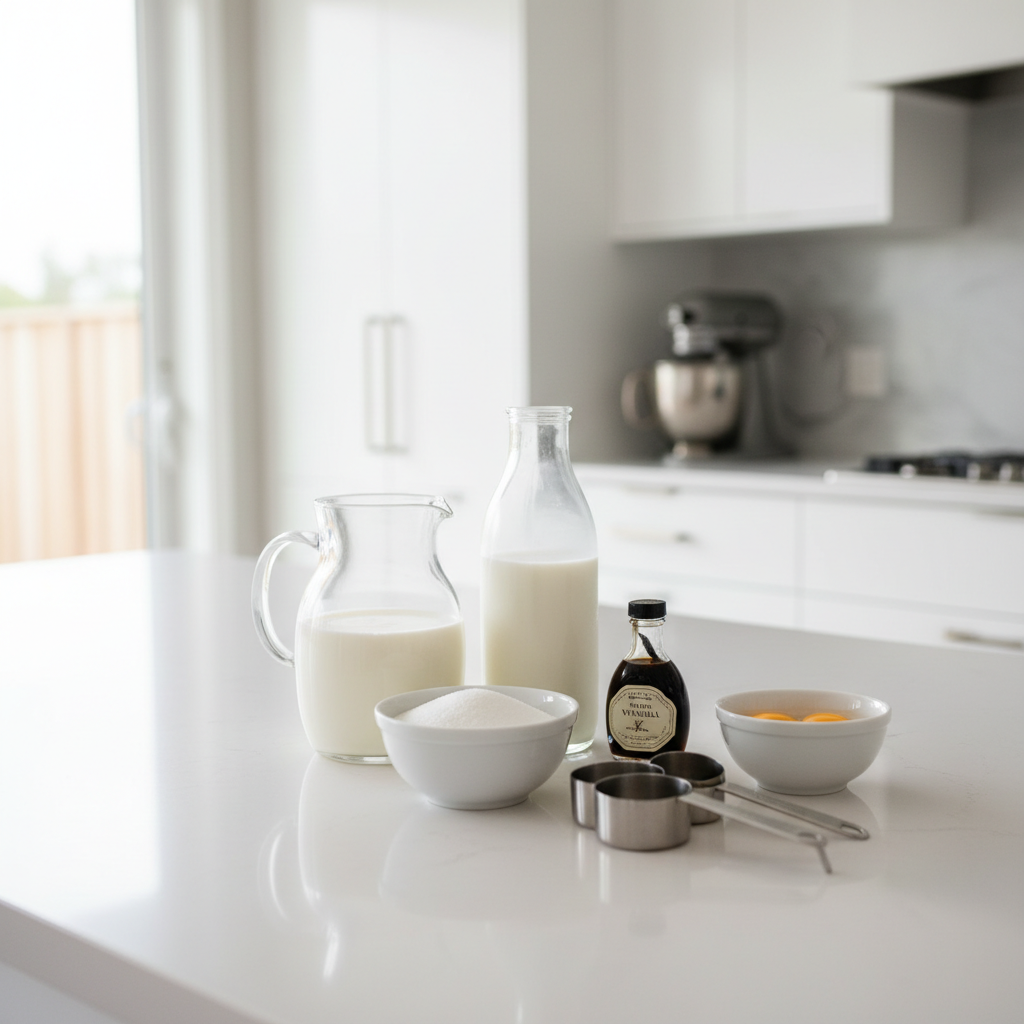
- Ingredients: 2 cups heavy cream, 1 cup whole milk, 3/4 cup sugar, pinch of salt, 5 egg yolks, 1 tbsp vanilla extract or paste
- Cook: Warm milk, cream, half the sugar, salt until steaming. Whisk yolks with remaining sugar, slowly temper with hot dairy, then cook on low until it coats a spoon.
- Chill: Strain, add vanilla, cool fast in an ice bath, then refrigerate 4–12 hours.
- Freeze: Churn, then harden 2–4 hours.
If you’re pregnant, immunocompromised, or cooking for someone who is, it’s worth being extra cautious with egg handling, and when in doubt, choose the egg-free base or use pasteurized eggs.
2) “Philadelphia” vanilla (no eggs, fast)
This one tastes bright and milky, it’s also the easiest base to turn into fruit, mint, or coffee.
- Ingredients: 2 cups heavy cream, 1 cup whole milk, 3/4 cup sugar, pinch of salt, 1 tbsp vanilla
- Mix: Stir sugar into milk until dissolved, add cream, salt, vanilla.
- Chill: Refrigerate at least 4 hours so it churns colder and faster.
- Freeze: Churn and harden.
3) No-churn vanilla (no machine)
For many households, this is the gateway drug. Texture leans airy, but it’s consistently good.
- Ingredients: 2 cups cold heavy cream, 1 can sweetened condensed milk (14 oz), pinch of salt, 2 tsp vanilla
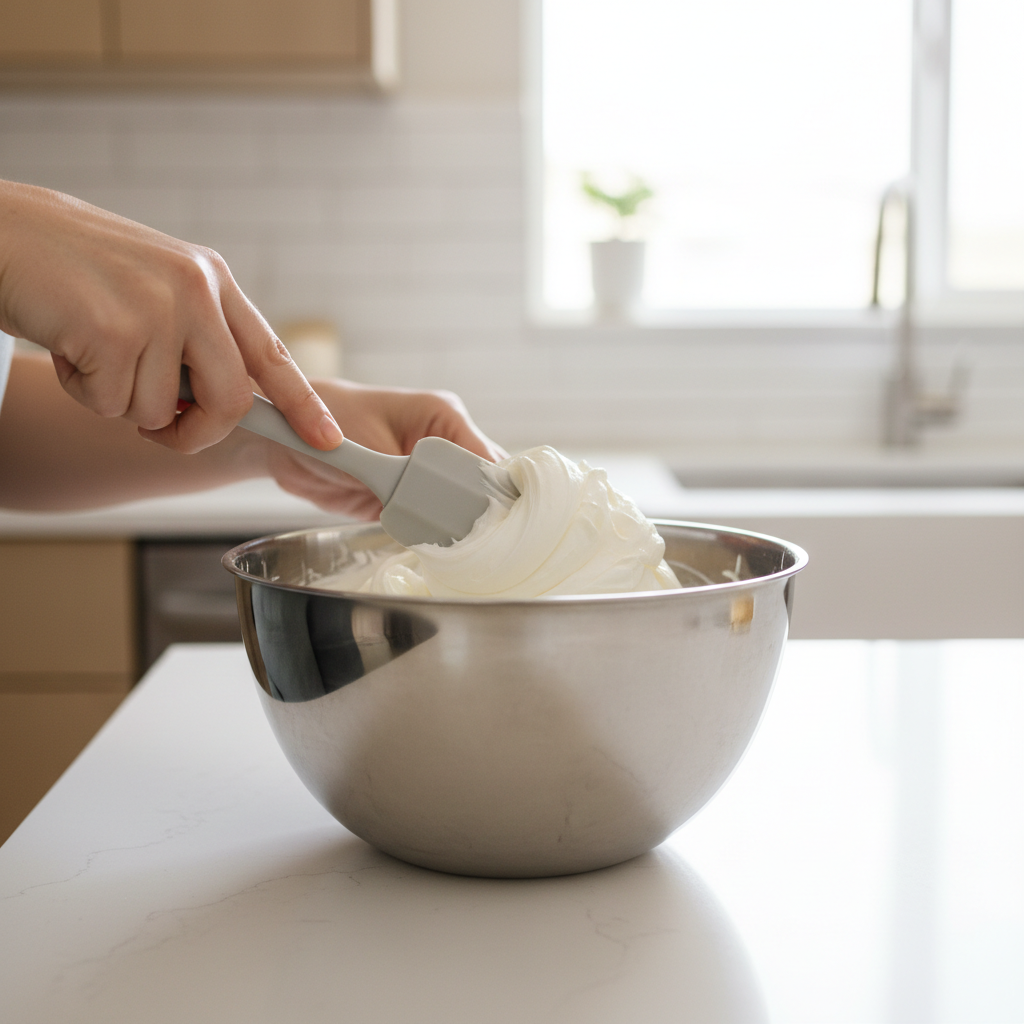
- Whip: Beat cream to medium-stiff peaks.
- Fold: Gently fold in condensed milk, salt, vanilla.
- Freeze: Spread into a loaf pan, press plastic wrap onto the surface, freeze 6 hours or overnight.
Flavor ideas and mix-ins that don’t turn icy
Once your base is solid, flavors are mostly about avoiding extra water and adding mix-ins at the right time. With ice cream recipes, “more stuff” can be great, but it can also wreck texture if you rush.
- Chocolate: Use cocoa plus melted chocolate for deeper flavor, chocolate also helps with body.
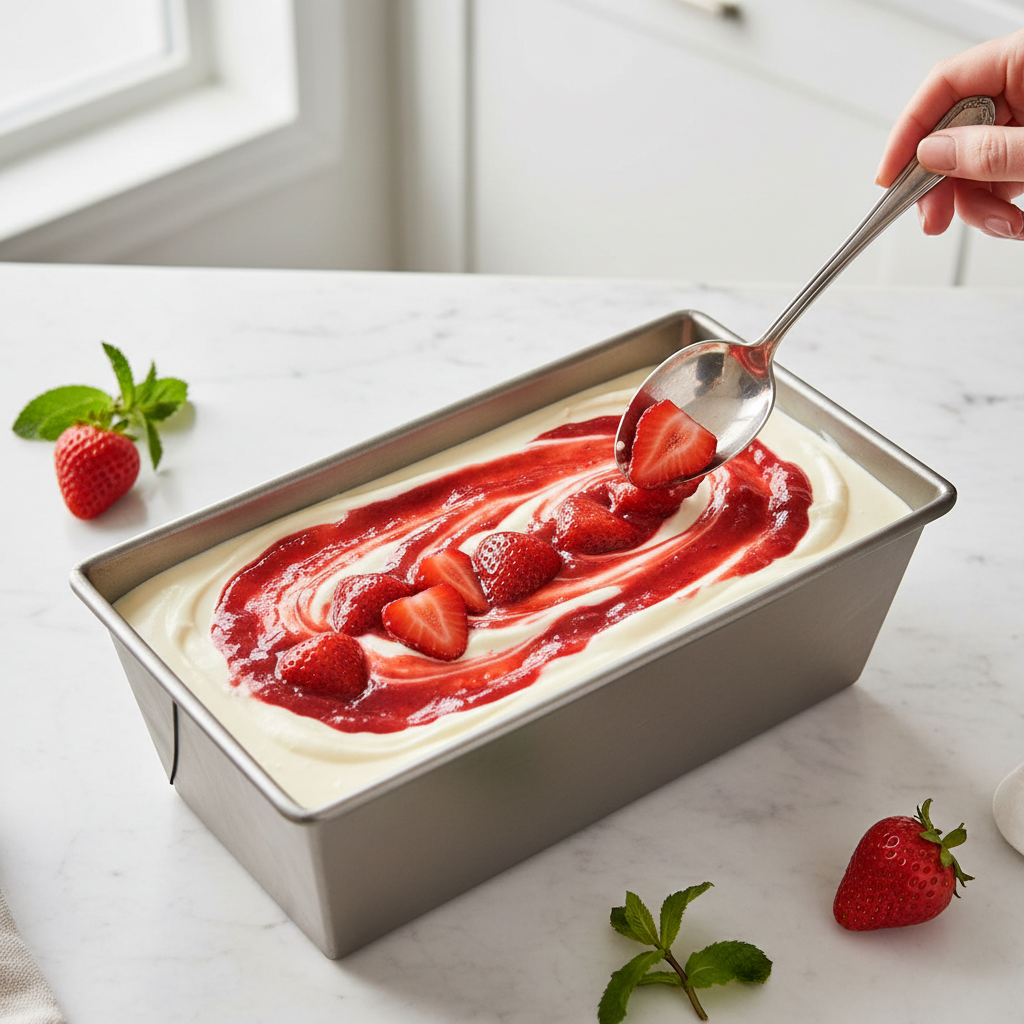
- Strawberry: Cook berries with sugar into a quick jam, cool fully, then swirl in, raw purée often freezes icy.
- Mint chip: Steep mint in warm dairy, strain, then add chocolate shavings near the end of churn.
- Cookie pieces: Add in the last 1–2 minutes of churning, freeze cookies first so they stay distinct.
- Nut butters: Warm slightly and ripple in, they usually improve texture rather than hurt it.
Quick rule: If a mix-in is watery, cook it down or keep it as a ribbon, not fully blended into the base.
Practical checklist: troubleshoot texture and flavor fast
If your last batch disappointed you, scan this list and you’ll usually spot the issue in under a minute.
- Icy: Base had too much water, wasn’t chilled enough, or froze too slowly. Consider more cream, cook fruit, and chill the base longer.
- Too hard to scoop: Not enough sugar or too much low-fat dairy. Let it sit 5–10 minutes before serving, or adjust the ratio next time.
- Grainy: Sugar didn’t dissolve, dairy got overheated, or custard curdled slightly. Dissolve sugar fully, strain custard every time.
- Weak flavor: Cold dulls sweetness and aroma. Add a pinch of salt, use extracts wisely, and slightly increase vanilla or cocoa.
- Mix-ins sank: Pieces were too heavy or added too early. Add near the end, or freeze the mix-ins first.
Step-by-step workflow for consistent results (even on busy nights)
This is the part people skip, then wonder why a random blog’s pint tastes better. A simple workflow makes your ice cream recipes repeatable.
- Plan your chill time: Cold base churns faster, and faster churn usually means smoother texture.
- Pre-freeze your container: A cold loaf pan or storage tub helps the “harden” stage.
- Don’t over-churn: Stop when it looks like soft-serve, over-churning can get buttery.
- Harden with a surface seal: Press plastic wrap or parchment onto the surface to limit ice crystals.
- Scoop smarter: Warm scoop under hot water, wipe dry, then scoop, it saves your wrists.
Key takeaways: Chill longer than you think, avoid extra water, add mix-ins late, and don’t treat sugar like it’s optional.
Safety notes and when to ask for help
Homemade ice cream is low-risk most of the time, but a few situations deserve extra care.
- Eggs: If you’re unsure about custard temperatures, use an instant-read thermometer, or choose an egg-free or no-churn base.
- Allergies: Cross-contact happens easily with nuts and shared tools, if allergies are severe, consider packaged ingredients with clear labeling and speak with a medical professional for personalized guidance.
- Food safety: Don’t leave dairy mixtures at room temp for long, chill quickly after cooking.
If you keep getting strange textures even after adjusting ratios, it may be your freezer cycle, some home freezers run warm or have aggressive defrost cycles. In that case, an ice cream maker that freezes faster can help, and if you’re investing money, asking a specialty kitchen store for guidance is reasonable.
Conclusion: keep one base, then riff confidently
Once you lock in one dependable base, homemade ice cream stops feeling like a gamble and starts feeling like a habit. Pick the style that matches your kitchen, run one batch “as written,” then tweak flavors slowly so you know what changed.
If you want an easy next step, choose the Philadelphia base, make a vanilla batch, and try one swirl, strawberry jam or melted peanut butter both behave well in the freezer.
FAQ
- What are the easiest ice cream recipes for beginners?
Most people do well with no-churn vanilla first, then move to an egg-free churned base once they want a cleaner, less sweet finish. - Can I make ice cream without heavy cream?
You can, but it often freezes harder and icier. Many cooks use half-and-half plus a stabilizer, or accept a more “ice milk” texture. - Why does my homemade ice cream taste less sweet than store-bought?
Cold mutes sweetness. A small bump in sugar, a pinch of salt, and stronger flavoring usually brings it back without making it cloying. - How do I keep fruit ice cream from turning icy?
Cook fruit into a thicker compote, cool it fully, and swirl it in. Raw purées add water, which tends to form crystals. - When should I add chocolate chips or cookies?
Add them at the end of churning or fold in after, then harden. Early additions can sink, soften, or bleed into the base. - Do I need an ice cream maker for smooth texture?
No, but it helps. No-churn can be very good, yet a machine freezes faster and usually delivers finer texture, especially for lower-fat bases. - How long does homemade ice cream keep in the freezer?
It varies by recipe and freezer, but many batches taste best within 1–2 weeks. Over time, ice crystals and freezer odors tend to creep in.
If you’re trying to build a small “rotation” of flavors for family nights or entertaining, it can help to standardize one base and keep a short list of mix-ins that behave well, that’s the easiest way to get consistent pints without turning dessert into a project.