
Thai food can feel intimidating at home because the flavors are bold and the ingredient list looks unfamiliar, but in practice you can cook authentic-tasting dishes with a small pantry, a hot pan, and a few reliable techniques.
If you have tried a “Thai” recipe and it turned out flat, overly sweet, or weirdly oily, you are not alone, most misses come from balance issues and the wrong substitutes, not from your cooking skill.
This guide keeps things simple on purpose: a short shopping list, a flavor-balance checklist, and a handful of everyday recipes Americans can cook on a weeknight, plus notes on what to skip when a specialty ingredient is hard to find.
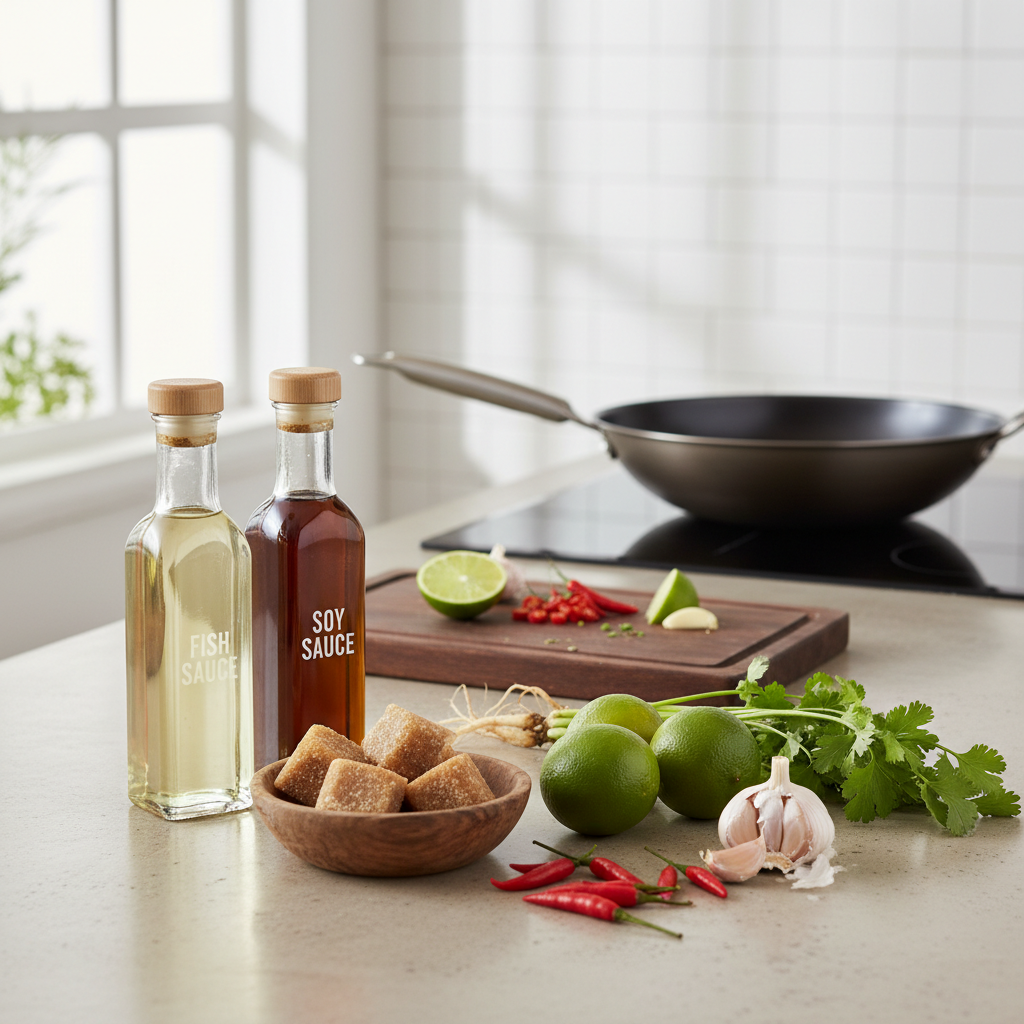
What “authentic” really means for simple Thai cooking
In home cooking, “authentic” usually means the dish hits the Thai flavor balance, not that every ingredient matches a restaurant supply chain. You are aiming for salty + sour + sweet + spicy with aromatic depth from garlic, shallot, lemongrass, or basil.
Many recipes fail because one note dominates, typically sugar (too much) or salt (not enough acidity), so think of authenticity as taste correction in small steps.
- Salt: fish sauce, soy sauce, shrimp paste (optional)
- Sour: lime, tamarind, rice vinegar (in a pinch)
- Sweet: palm sugar, light brown sugar (reasonable backup)
- Heat: Thai chiles, serrano, chili flakes
- Aromatics: garlic, ginger/galangal, lemongrass, basil, cilantro
Your short Thai pantry: buy once, cook many times
If you stock only a few items, you can make a surprising range of Thai food without turning your kitchen into a specialty shop. These are the purchases that keep paying off.
Core pantry (start here)
- Fish sauce (one brand you like, it varies)
- Jasmine rice or rice noodles
- Coconut milk (unsweetened)
- Red curry paste or green curry paste
- Tamarind concentrate (optional but useful)
- Palm sugar or light brown sugar
Fresh basics (weekly)
- Limes
- Garlic and shallots
- Cilantro, Thai basil if you can find it
- Chiles (Thai, serrano, or jalapeño)
According to USDA Food Safety and Inspection Service (FSIS), you should keep perishable items like opened coconut milk refrigerated and follow safe cooking temperatures for poultry and meats, especially when you batch-cook curries and reheat them later.
Quick self-check: why your Thai flavors might taste “off”
Before you throw out a dish or add more curry paste, run this quick check. It saves most weeknight meals.
- Tastes dull: add lime juice, a pinch of sugar, or a little fish sauce, then retaste.
- Too salty: add lime, a little sugar, or more rice/noodles, salt needs a counterweight.
- Too sweet: add lime or tamarind, and a tiny bit more fish sauce.
- Too spicy: add coconut milk, a little sugar, or serve with extra rice.
- No aroma: finish with fresh herbs, sliced scallion, or a drizzle of toasted sesame oil only if it fits the dish.
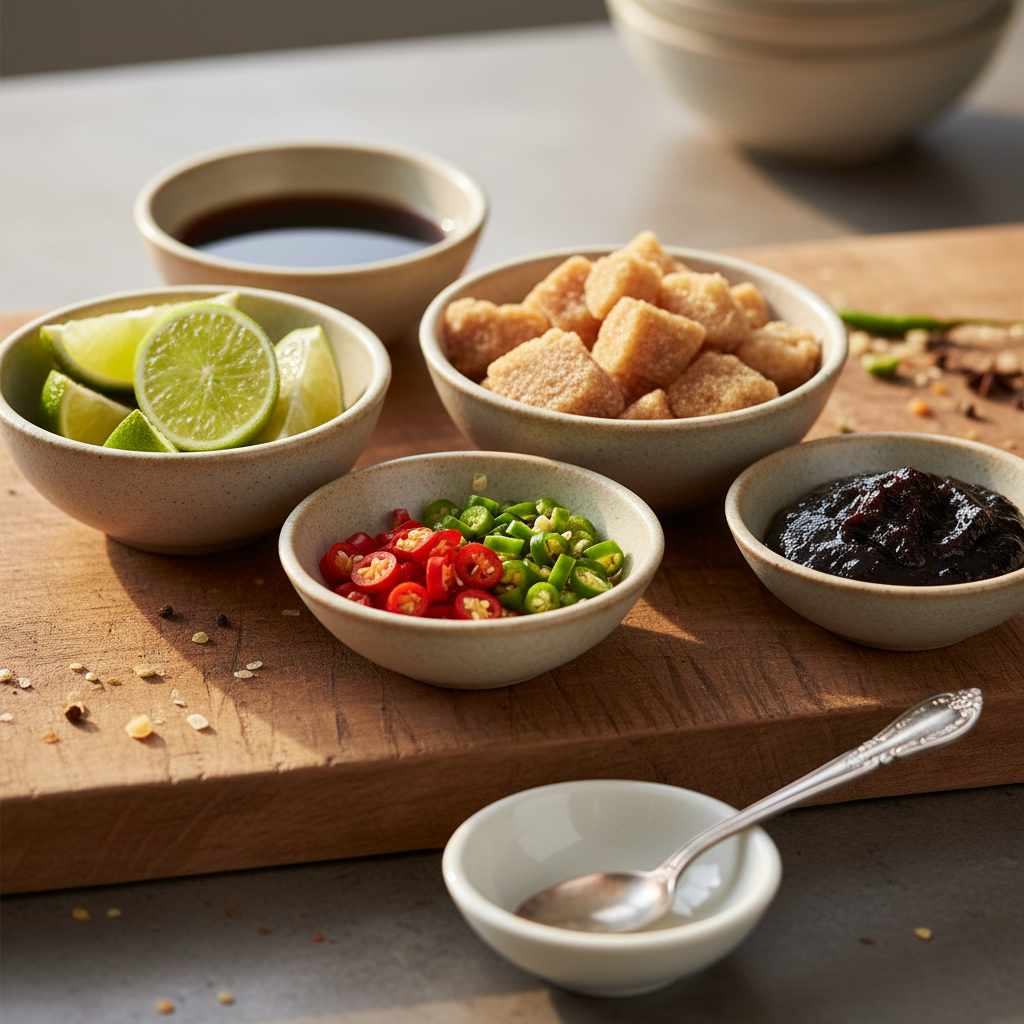
Simple authentic Thai recipes (weeknight-friendly)
These recipes keep technique simple and rely on the same building blocks, so you do not need ten different sauces to cook Thai food confidently.
1) Pad Kra Pao (Thai basil stir-fry) in 15–20 minutes
Why it works: fast, forgiving, and the basil finish gives that “restaurant” aroma at the end.
- Protein: ground chicken, pork, turkey, or crumbled tofu
- Sauce: fish sauce + a little soy sauce + pinch of sugar + splash of water
- Aromatics: garlic, chiles, shallot
- Finish: Thai basil (best), regular basil (acceptable), plus a fried egg if you want
Cook the aromatics in a hot pan, add protein, then sauce, then basil at the very end so it stays fragrant. Serve over jasmine rice, and keep lime on the table for last-second balance.
2) Red curry coconut chicken (one pot, very consistent)
Why it works: curry paste does a lot of heavy lifting, so you get depth without long simmering.
- Sauté 1–2 tbsp curry paste in a little coconut cream (the thick top of the can) until fragrant.
- Add chicken or chickpeas, then the rest of the coconut milk and a splash of water.
- Add vegetables that hold up: bell pepper, green beans, zucchini.
- Season with fish sauce, then brighten with lime.
If it tastes heavy, add more lime and a few fresh herbs, many curries taste “too rich” until you bring in acidity.
3) Tom Yum-style soup (simplified, still punchy)
Why it works: the signature profile is sour and aromatic, you can approximate it even without every traditional herb.
- Base: chicken broth or shrimp stock
- Aromatics: garlic, ginger (or galangal if available), lemongrass paste if you have it
- Flavor: fish sauce + lime + chili
- Add-ins: mushrooms, shrimp, tofu, or shredded chicken
Keep the lime for the end, boiling lime juice can dull the bright note you want.
4) Som Tam-inspired cucumber salad (no mortar needed)
Why it works: you learn Thai balance with a low-stakes salad, and it upgrades any grilled protein.
- Use cucumber + carrots (or green papaya if you find it)
- Dressing: lime juice + fish sauce + a little sugar
- Add crunch: peanuts, extra veg
- Add heat: sliced chiles
If fish sauce feels strong, start small and build up, your palate adjusts quickly.
Ingredient swaps Americans actually use (and what to avoid)
Swaps are fine, but some replacements change the dish completely, usually in ways people do not expect. Here is a practical cheat sheet.
| Traditional | Common US swap | What changes |
|---|---|---|
| Thai basil | Italian basil + a few mint leaves | Less anise note, still fresh and workable |
| Palm sugar | Light brown sugar | Slight molasses note, use a little less |
| Tamarind | Lime + tiny splash rice vinegar | More sharp, less fruity depth |
| Thai bird chiles | Serrano | Heat stays, aroma changes a bit |
| Galangal | Ginger | Less piney, still aromatic |
What to avoid: replacing fish sauce with plain salt if the recipe depends on it, you lose savory depth and end up chasing flavor with sugar or more paste.
Practical workflow: how to cook Thai food on a busy week
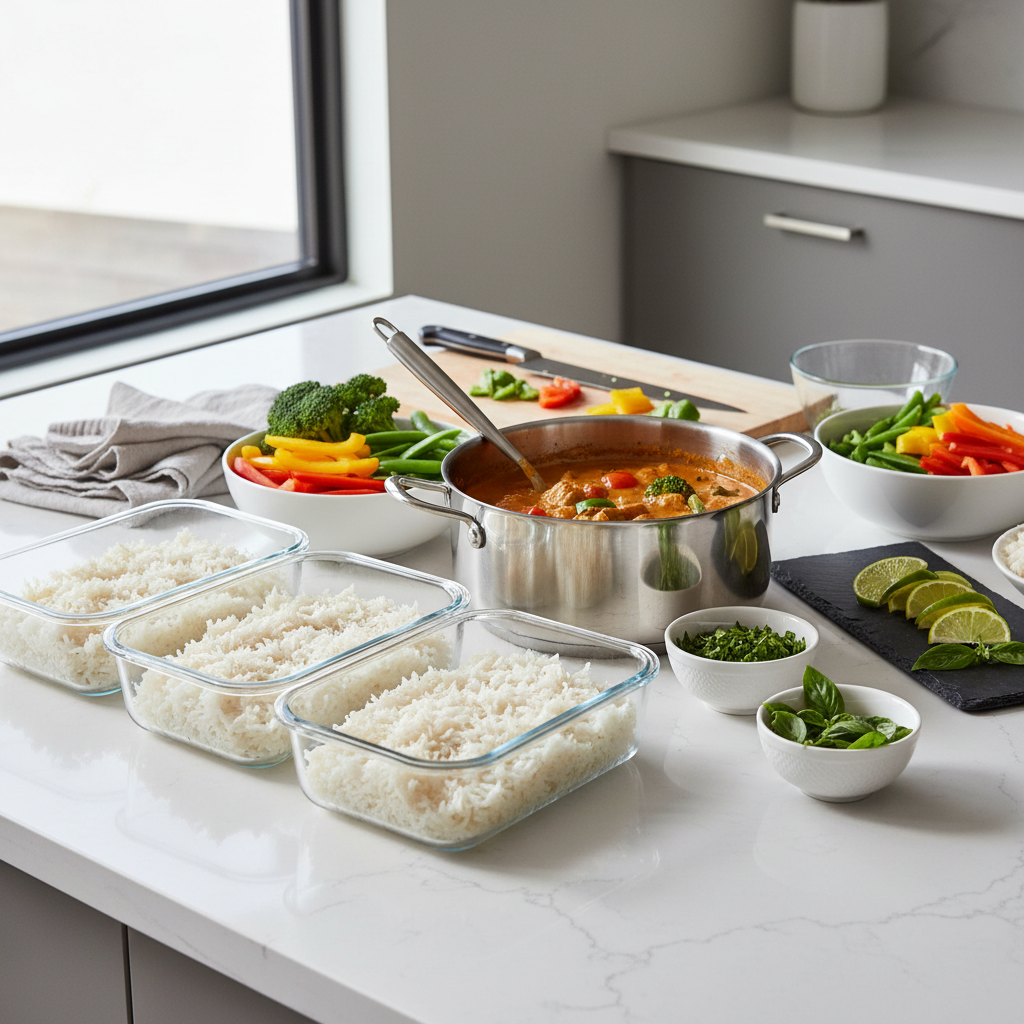
The easiest way to keep this sustainable is to stop thinking in “recipes” and start thinking in reusable components.
- Pick one: stir-fry OR curry OR soup for the week, not all three.
- Prep once: mince garlic and slice chiles, store in a small container.
- Cook rice smart: make extra jasmine rice, then use leftovers for fried rice or quick bowls.
- Finish fresh: lime and herbs at the end, that’s where the “alive” flavor comes from.
Common mistakes that make “simple” Thai recipes disappointing
A few small choices can derail an otherwise solid dish, especially when you are new to Thai food and you follow a recipe word-for-word without tasting.
- Not tasting as you go: adjust in tiny increments, fish sauce and sugar move fast.
- Adding lime too early: brightness fades, add near the end.
- Using low heat for stir-fry: you get watery vegetables and steamed meat, go hotter and cook in batches if needed.
- Overloading coconut milk: if the curry feels bland, it often needs fish sauce and lime, not more coconut.
- Skipping fresh herbs: dried basil will not mimic Thai basil, use fresh basil or cilantro to finish.
Key takeaways (save this)
- Balance beats precision: salty, sour, sweet, spicy, adjust with small moves.
- Buy a mini pantry: fish sauce, curry paste, coconut milk, rice or noodles.
- Finish bright: lime and herbs at the end makes Thai food taste “real.”
- Use swaps wisely: some are fine, some remove the core flavor.
Conclusion: keep it simple, keep it Thai
Good Thai food at home usually comes from a short list of ingredients used confidently, not from complicated technique. Start with one dish you genuinely like, keep lime and fish sauce within reach, then practice the balance until it feels automatic.
If you want an easy next step, pick either Pad Kra Pao or a red curry this week, buy only what that dish needs, and build from there, your pantry grows naturally and the food keeps getting better.
FAQ
What is the easiest Thai food to cook for beginners?
Pad Kra Pao and red curry are usually the easiest because they rely on a short ingredient list and you can correct flavor at the end with lime, fish sauce, and a pinch of sugar.
How do I make Thai food taste more authentic without buying everything at an Asian market?
Prioritize fish sauce, curry paste, and limes, then finish dishes with fresh herbs. Those three moves often deliver a bigger authenticity jump than hunting for rare ingredients.
Can I make Thai recipes less spicy but still flavorful?
Yes, reduce chiles and keep the aroma strong with garlic, basil, and lime. If heat gets away from you, coconut milk and extra rice can soften it without making it bland.
Is fish sauce necessary for Thai cooking?
In many Thai food dishes, fish sauce provides a savory depth you will not get from salt alone. If you avoid it for dietary reasons, try soy sauce plus a little mushroom seasoning, and expect a different flavor profile.
What noodles should I buy for simple Thai noodle dishes?
Rice noodles cover a lot: thin for Pad Thai-style dishes, wider for stir-fries. Keep one size you like, then adjust cook time carefully so they stay springy, not mushy.
How do I store leftover curry safely?
Cool leftovers promptly, refrigerate in a sealed container, and reheat thoroughly. If you have health concerns or are cooking for someone at higher risk, it can help to follow conservative food-safety guidance and consult a professional when unsure.
Why does my curry taste greasy?
Often the curry paste did not fry long enough to release aroma, or the coconut milk split from high heat without enough liquid. Try sautéing paste briefly, then simmer gently and rebalance with lime and fish sauce.
If you are cooking Thai food for a household with mixed preferences, picky eaters, or limited time, it often helps to set up a simple “finish-your-own-bowl” routine with rice, one main dish, and a side of lime, herbs, and chili so everyone can adjust without making a second meal.