
Cheese recipes are often the easiest way to turn a “nothing sounds good” night into a real dinner, but creamy dishes can also go wrong fast, too thick, too grainy, or weirdly oily.
This guide keeps it practical: which cheeses melt smoothly, how to build a reliable sauce, and a handful of dishes you can rotate without feeling like you’re eating the same thing every week.
One more thing before we cook, “creamy” doesn’t always mean heavy. With the right technique, you can get that velvety texture using pantry staples, and you’ll waste less cheese along the way.
Why creamy cheese dishes fail (and how to avoid it)
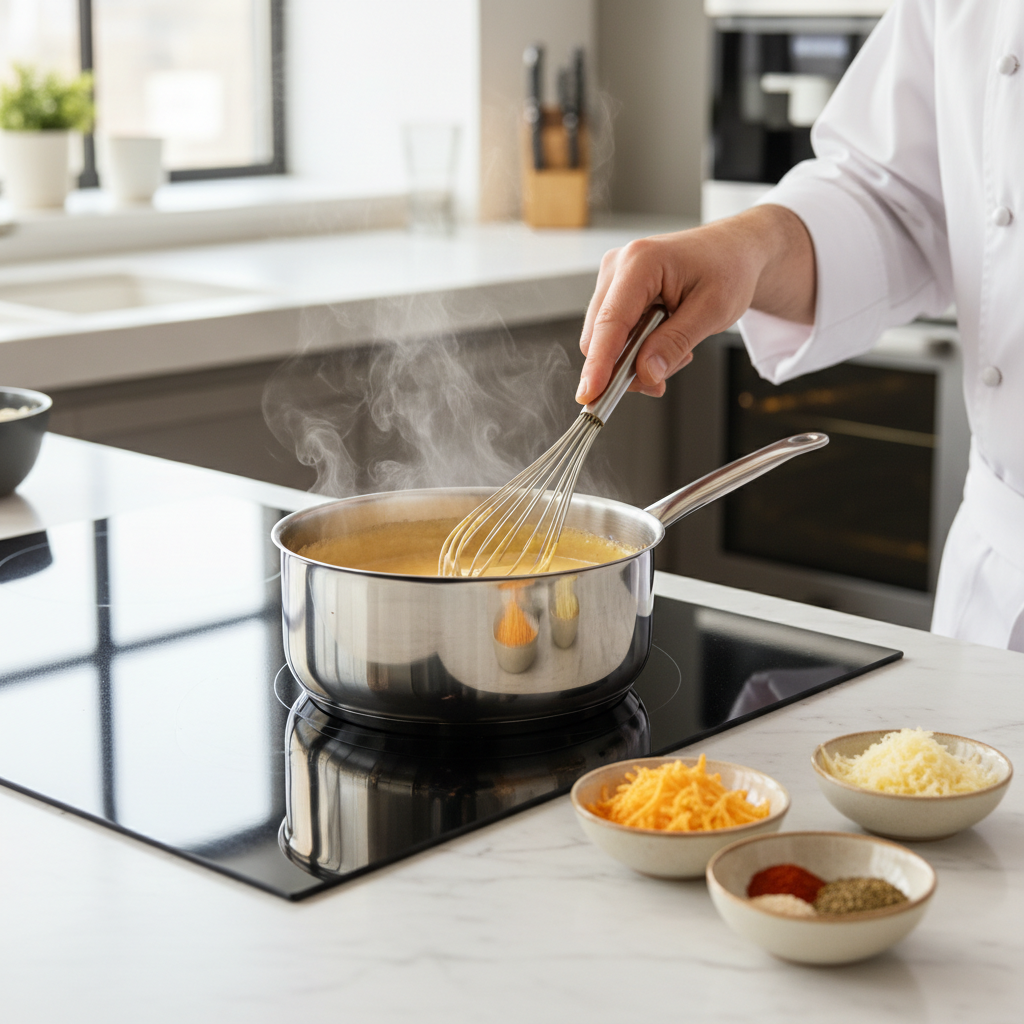
If you’ve ever ended up with a broken sauce or rubbery melted cheese, you didn’t “ruin it,” you hit a common chemistry problem: too much heat, not enough moisture, or the wrong cheese for the job.
- High heat can make proteins tighten and squeeze out fat, that’s where the greasy split happens.
- Pre-shredded cheese often includes anti-caking agents that can turn sauces a bit sandy.
- Acid timing matters, adding lemon, wine, or tomatoes too early can push some cheeses to curdle.
- Undersalted base makes people add more cheese to “fix flavor,” which can create an overly thick sauce.
According to the U.S. Food & Drug Administration (FDA), perishable foods like dairy should not sit out at room temperature for more than 2 hours (1 hour if it’s above 90°F). If you’re cooking for a party, keep creamy dips warm in a slow cooker and refrigerate leftovers promptly.
A quick “creamy cheese” formula you can use anywhere
Most weeknight cheese recipes get easier when you stop treating each dish like a one-off. This is the flexible formula that works for mac and cheese, veggie bakes, nacho-style sauces, and skillet meals.
The base: choose one thickener
- Roux (butter + flour): classic, stable, best for mac and cheese and casseroles.
- Cornstarch slurry: quick, glossy, good for queso-style sauces.
- Egg yolk (off heat): richer, great for carbonara-style pasta, but needs careful temperature control.
The liquid: choose what fits the dish
- Milk or half-and-half for neutral comfort
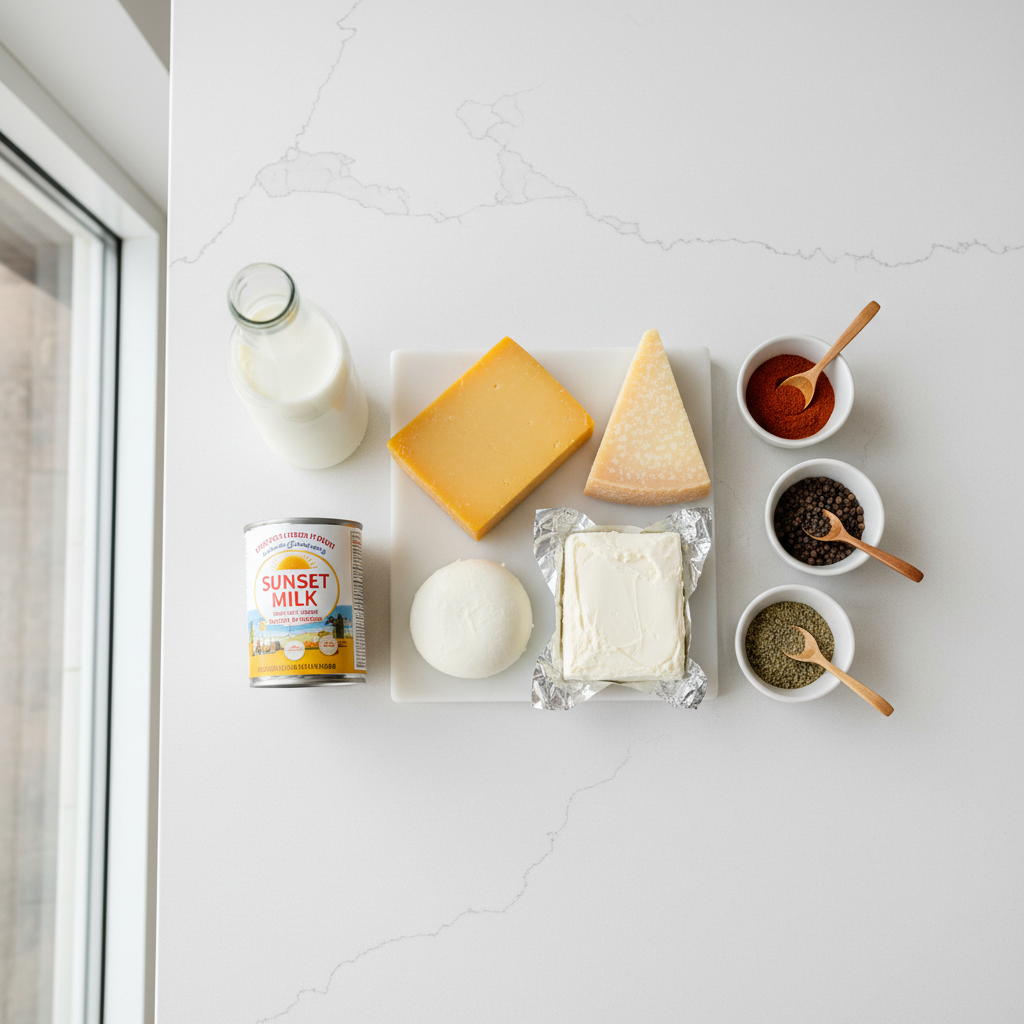
- Evaporated milk for extra smooth melt and better reheating
- Broth for lighter skillet meals
The cheese: mix for texture + flavor
- Melters: cheddar, Monterey Jack, low-moisture mozzarella
- Flavor boosters: Parmesan, aged Gouda, blue cheese (use lightly)
- Creaminess helpers: cream cheese, mascarpone, ricotta
Keep the pot at low heat when adding cheese, stir until just melted, and stop. That “just melted” moment is where the silky texture lives.
Ingredient swap table (so you don’t have to run to the store)
This is where creamy cooking gets realistic. If a recipe calls for something you don’t have, these swaps usually work without derailing the texture.
| Calls for | Good swap | What changes |
|---|---|---|
| Heavy cream | Half-and-half + a spoon of cream cheese | Similar richness, slightly tangier |
| Gruyère | Swiss + Parmesan | Less nutty, still melts smoothly |
| Monterey Jack | Mild cheddar or mozzarella | Cheddar adds sharper flavor, mozzarella adds stretch |
| Ricotta | Cottage cheese (blended) | Bit lighter, still creamy in bakes |
| Sour cream | Greek yogurt (whole milk) | More tang, can split if boiled hard |
5 creamy cheese recipes you can actually rotate
These aren’t “special occasion only” ideas. Each one has a simple method, a few optional add-ins, and a note on how it reheats, because leftovers matter.
1) Weeknight stovetop mac (no grainy sauce)
- Method: Make a quick roux, whisk in milk, simmer until it coats a spoon, then add shredded cheese off low heat.
- Best cheeses: sharp cheddar + Monterey Jack, finish with a little Parmesan.
- Make it dinner: stir in peas, spinach, shredded rotisserie chicken, or sautéed mushrooms.
- Reheat tip: add a splash of milk, warm gently, stir often.
2) 15-minute skillet queso for tacos, bowls, or fries
- Method: Warm evaporated milk, whisk in cornstarch slurry, then melt in Jack/cheddar. Add diced green chiles at the end.
- Flavor lift: cumin, smoked paprika, and a pinch of garlic powder.
- Heat control: keep it at a bare simmer, boiling is where it can break.
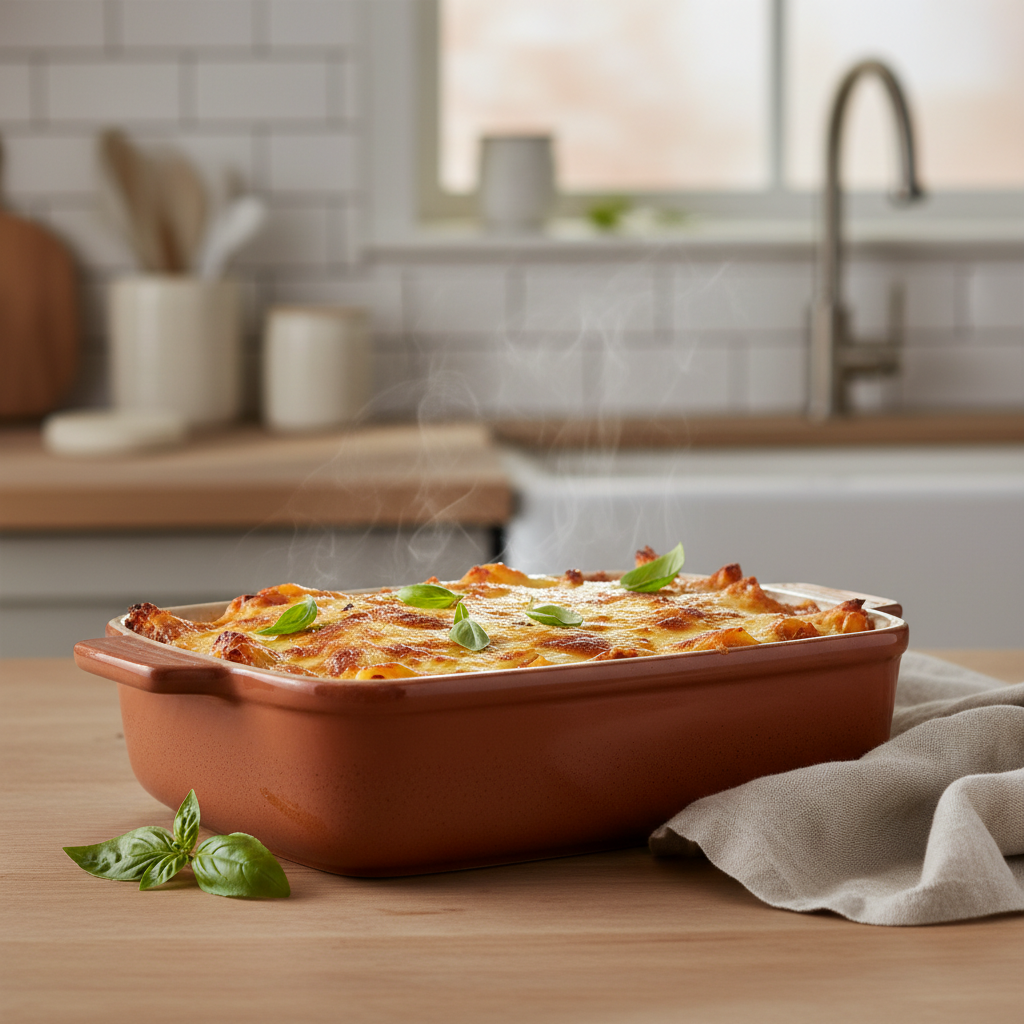
3) Creamy baked pasta with ricotta “cheese cloud”
- Method: Toss cooked pasta with marinara, dollop ricotta mixed with salt, pepper, and a little mozzarella, bake until bubbly.
- Why it works: ricotta stays creamy even when the sauce reduces in the oven.
- Optional: add Italian sausage or roasted zucchini.
4) Broccoli-cheddar soup that doesn’t turn gritty
- Method: Cook aromatics, add broth and broccoli, blend partly, add milk, then stir in cheddar off low heat.
- Texture fix: if it feels thin, thicken with a small roux or a cornstarch slurry before adding cheese.
- Serve with: toasted bread, or even a baked potato as the base.
5) One-pan creamy mozzarella chicken (no oven required)
- Method: Sear chicken, deglaze with broth, stir in a spoon of cream cheese, top with mozzarella, cover until melted.
- Good add-ins: sun-dried tomatoes, spinach, basil.
- Goes with: rice, pasta, or crusty bread for the sauce.
How to choose the right cheese for the job
The name on the package matters less than how that cheese behaves in heat. If you remember two rules, most creamy dishes improve immediately.
- For smooth melting: use younger cheeses and shred them yourself when you can.
- For punchy flavor: use small amounts of aged cheese, think “seasoning,” not “main melt.”
Also, mozzarella can be tricky. Fresh mozzarella can release water, while low-moisture mozzarella melts more predictably for casseroles and skillets.
Practical tips: prep, storage, reheating, and food safety
Creamy sauces usually thicken as they cool, so what looks “perfect” in the pot may set up too tight in the fridge. Plan for that and you’ll like your leftovers more.
- Grate ahead: shred cheese while the pasta water heats, store in a sealed container.
- Cool fast: portion leftovers into shallow containers so they chill quickly.
- Reheat gently: low heat, add a splash of milk or broth, stir often.
- Avoid repeated reheats: reheat only what you’ll eat.
According to the USDA, leftovers should typically be refrigerated within 2 hours and reheated to a safe internal temperature; if you’re cooking for someone pregnant, elderly, or immunocompromised, it’s smart to be extra conservative and consult a professional when unsure.
Common mistakes (and the quick fixes)
- Sauce broke and looks oily: lower heat, whisk in a spoon of warm milk, sometimes a small pinch of cornstarch slurry helps.
- Grainy texture: switch to freshly shredded cheese next time, and melt off low heat.
- Too thick: thin with warm milk or broth, a little at a time, don’t dump in cold liquid.
- Flat flavor: salt earlier, add mustard powder, hot sauce, or a little Parmesan at the end.
- Cheese clumped: add gradually, and make sure the base sauce is hot but not boiling.
Key takeaways for creamy success
- Control heat, most issues come from boiling after cheese goes in.
- Blend cheeses, one for melt, one for flavor, one for creaminess if needed.
- Plan for leftovers, keep a splash of milk or broth ready for reheating.
If you pick one thing to try this week, make the skillet queso or the one-pan mozzarella chicken, both teach the “low heat + right cheese” lesson fast, without feeling fussy.
FAQ
What are the best cheeses for creamy sauces?
Cheddar, Monterey Jack, and low-moisture mozzarella melt reliably for many cheese recipes, then a small amount of Parmesan or aged Gouda can deepen flavor without making the sauce gritty.
Why does my cheese sauce turn grainy?
Usually it’s heat or the cheese type. Boiling after adding cheese, or using pre-shredded bags with anti-caking agents, can create a sandy texture. Lower heat and shred your own when possible.
Can I make creamy cheese dishes without heavy cream?
Often, yes. Milk with a roux, evaporated milk, or a small spoon of cream cheese can give you a similar mouthfeel. Results vary by recipe, but it’s a good starting point.
What’s the easiest way to fix a sauce that split?
Take it off high heat, whisk in a splash of warm milk, and keep stirring. If it’s still broken, a tiny cornstarch slurry can help re-emulsify, but it won’t rescue every batch.
How do I keep mac and cheese creamy the next day?
Reheat slowly with a splash of milk, stirring frequently. Microwaving on high often tightens the proteins and makes it feel dry, so lower power works better.
Is it okay to freeze cheese sauces?
Some freeze fine, but many creamy sauces can separate after thawing. If you plan to freeze, sauces thickened with roux or evaporated milk tend to behave better, then reheat gently and whisk.
How can I add more protein without ruining the texture?
Stir in shredded chicken, browned turkey, or canned white beans after the sauce turns smooth. Very lean meats can dry out, so keep some sauce aside to loosen the dish if needed.
Conclusion: make creamy cheese cooking feel repeatable
Creamy comfort food doesn’t need complicated steps, it needs the right cheese choices and calmer heat. Start with one dependable sauce method, then tweak flavors with add-ins you already like.
If you want a simple action plan, pick one “melter” cheese, keep evaporated milk in the pantry, and choose one recipe above to repeat twice, the second run is usually where it clicks.
If you’re trying to adapt cheese recipes for dietary needs, allergies, or medical guidance, it’s wise to check labels carefully and, when needed, consult a qualified professional for personalized advice.