
Best smoothie bowl recipes healthy searches usually come from one real problem: you want something quick, filling, and “actually good for you,” but smoothie bowls can turn into a sugar bomb or a sad, watery mess.
This guide gives you a practical 2026-ready playbook: a few reliable base formulas, several flavor combos that taste like a treat, and the topping rules that keep bowls satisfying, not spiky.
I’ll also call out common mistakes (frozen fruit ratios, blender issues, portion creep), plus a simple table so you can mix-and-match without hunting for a new recipe every morning.
What makes a smoothie bowl “healthy” (and why many aren’t)
A smoothie bowl can be a great breakfast, but “healthy” depends on balance, not vibes. In many kitchens, the bowl ends up heavy on fruit and light on protein and fat, which can leave you hungry soon after.
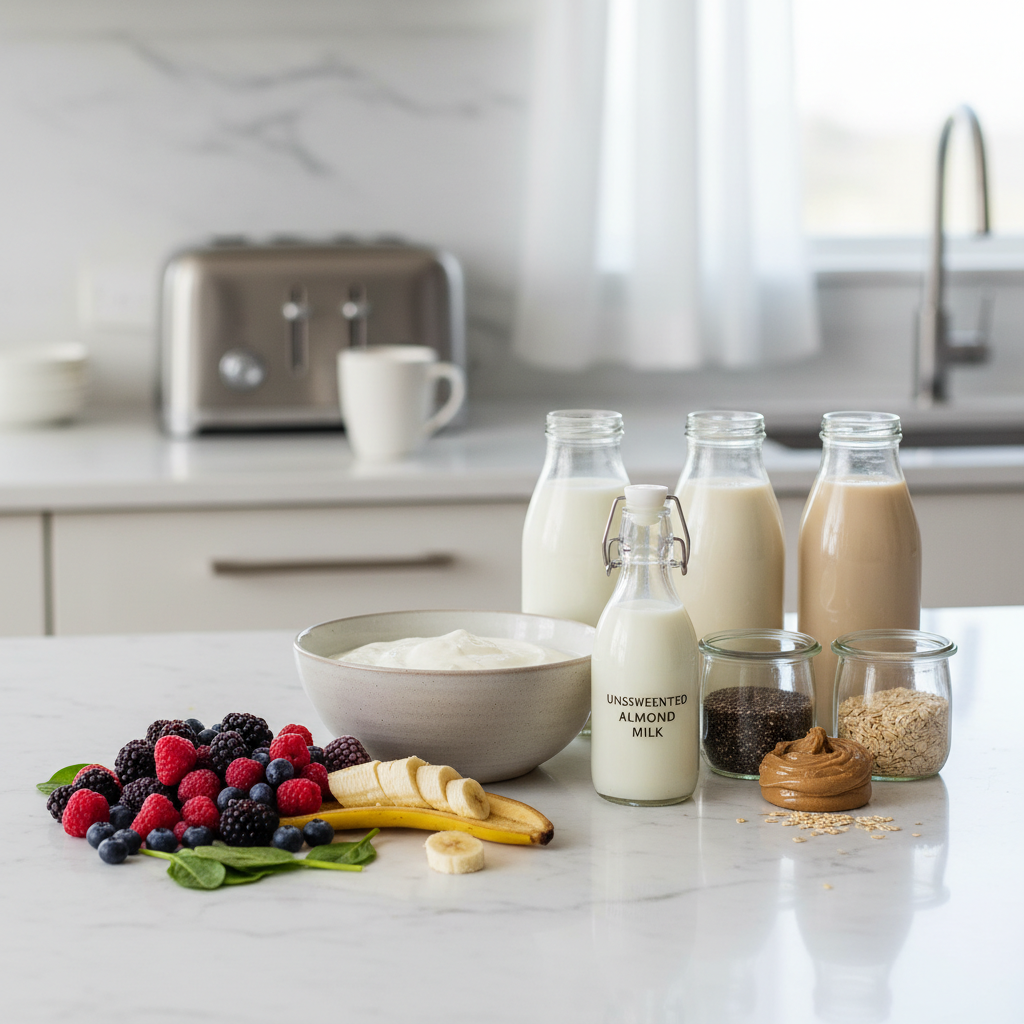
A more reliable “healthy bowl” checklist looks like this:
- Fiber: berries, chia, flax, oats, or greens to slow digestion
- Protein: Greek yogurt, cottage cheese, kefir, soy milk, or protein powder
- Healthy fats: nut butter, hemp hearts, walnuts, or avocado in a measured amount
- Added sugar control: skip juice and sweetened yogurts most days
According to USDA dietary guidance, many Americans benefit from more fiber-rich foods such as fruits, vegetables, legumes, and whole grains, which is one reason smoothie bowls can be helpful when built thoughtfully.
Quick self-check: which smoothie bowl problem are you dealing with?
Before you switch recipes, it helps to name the issue, because the fix is different.
- Too thin / runny: not enough frozen ingredients, too much liquid, weak blender
- Too sweet: heavy banana + honey + sweetened granola combo
- Not filling: missing protein and fat, or portion too small
- Digestive discomfort: too much fiber too fast, sugar alcohols, or dairy sensitivity
- Tastes “green” or bitter: too much raw spinach/kale, not enough acid or salt
If you’re managing diabetes, kidney disease, food allergies, or GI conditions, ingredient choices can get specific fast, it’s often worth checking with a registered dietitian or clinician.
The 2026 base formula (use this template for most bowls)
Most best smoothie bowl recipes healthy posts bury the one thing that matters: the ratio. Here’s a simple, repeatable template that works with typical U.S. grocery ingredients.
Balanced base ratio
- Frozen fruit: 1 to 1.5 cups (berries, mango, cherries, pineapple)
- “Creamy anchor”: 1/2 cup Greek yogurt or 1/2 cup cottage cheese or 1 small avocado wedge
- Liquid: 1/4 to 1/3 cup unsweetened milk (dairy, soy, pea, almond), add slowly
- Fiber booster: 1 tbsp chia or ground flax or 2 tbsp oats
- Optional protein: 15–25g protein powder if you need more staying power
Texture tip: start with less liquid than you think, blend, then add 1–2 tbsp at a time. A thick bowl is built, not hoped for.
Best healthy smoothie bowl recipes 2026: 8 go-to combos
Use the base ratio above, then choose one combo. These are written for flavor first, with a reasonable nutrition balance in mind.
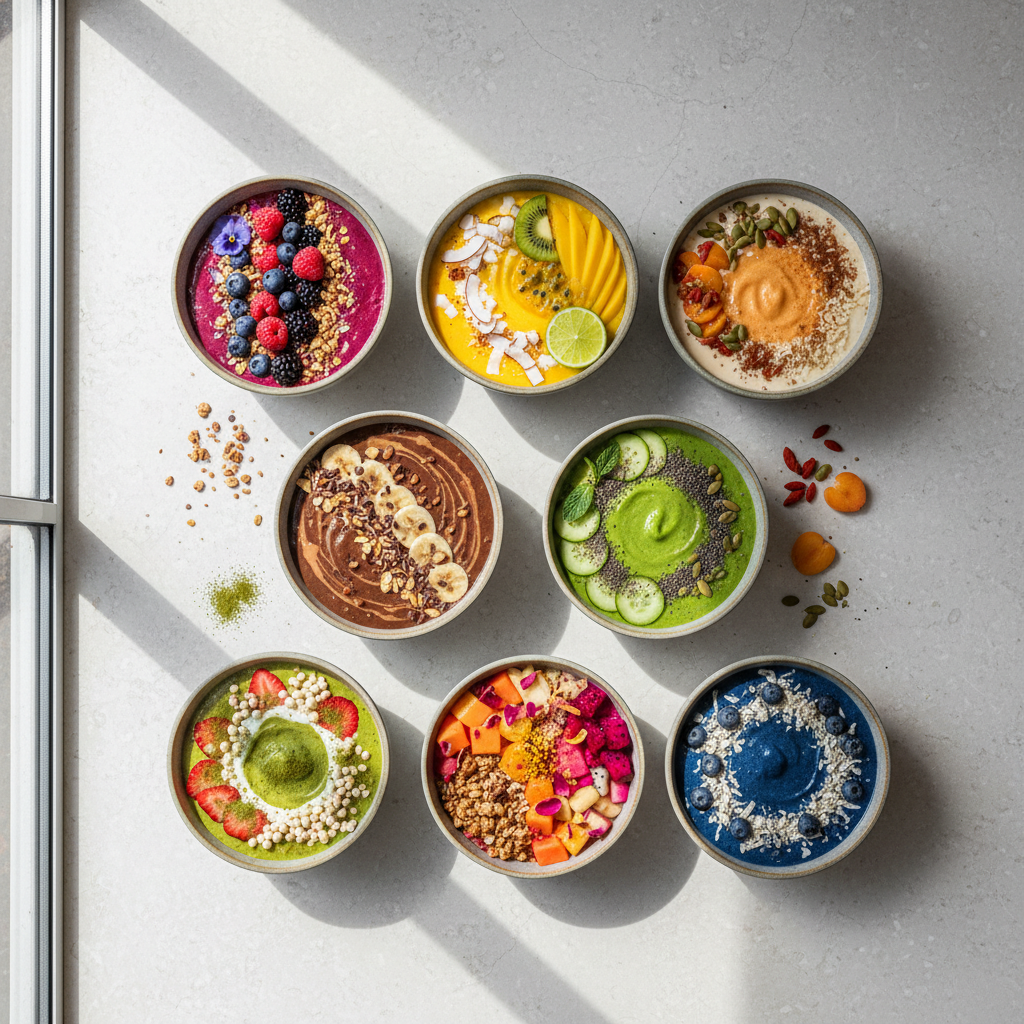
1) Blueberry-Protein “Classic”
- Frozen blueberries + frozen cauliflower (yes, it disappears) + Greek yogurt
- Vanilla protein powder (optional), chia
- Toppings: sliced almonds, cinnamon, a few fresh berries
2) Strawberry Cheesecake (no dessert crash)
- Frozen strawberries + cottage cheese + splash of milk
- Oats + lemon zest pinch
- Toppings: crushed walnuts, unsweetened coconut flakes
3) Tropical Gut-Friendly Bowl
- Frozen mango + pineapple (smaller portion) + kefir or yogurt
- Ground flax
- Toppings: kiwi, pumpkin seeds, toasted coconut
4) Chocolate PB Banana (scaled smarter)
- Half a frozen banana + frozen zucchini + cocoa powder
- Peanut butter (measured) + soy milk
- Toppings: cacao nibs, hemp hearts
5) Coffee Oat Bowl (breakfast replacement)
- Frozen cherries + Greek yogurt + chilled coffee (use as liquid)
- Oats + pinch of salt
- Toppings: granola (small), sliced pear
6) Green Apple “Fresh” Bowl
- Frozen pear or apple slices + spinach (small handful) + yogurt
- Chia + squeeze of lime
- Toppings: granola, thin apple fan, cinnamon
7) Cherry-Orange Anti-Boring Bowl
- Frozen cherries + orange segments (or a little zest) + yogurt
- Flax
- Toppings: pistachios, sesame seeds
8) Matcha Coconut (cafe-style at home)
- Frozen banana (half) + frozen pineapple + matcha powder
- Greek yogurt + unsweetened coconut milk (light)
- Toppings: strawberries, coconut flakes, chia
Ingredient reality check: if you hate protein powder, you can still hit a balanced bowl using Greek yogurt, cottage cheese, kefir, or soy milk, it just takes a slightly bigger portion.
Mix-and-match table: build your own bowl without thinking too hard
This is the part most people save, because it stops the “I have ingredients but no plan” problem.
| Goal | Base ideas | Protein add | Fiber/fat add | Toppings that fit |
|---|---|---|---|---|
| More filling | Berry + yogurt | Protein powder or soy milk | Chia + nut butter | Nuts, seeds, minimal granola |
| Lower sugar feel | Mixed berries + zucchini | Greek yogurt | Flax + walnuts | Cacao nibs, cinnamon |
| Dairy-free | Mango + spinach | Pea/soy protein | Hemp hearts | Pumpkin seeds, coconut |
| Kid-friendly | Strawberry + banana (half) | Greek yogurt or mild protein | Oats | Fruit, a little granola |
| Pre-workout vibe | Cherry + banana (half) | Greek yogurt | Oats + pinch salt | Honey drizzle if needed |
Practical steps: how to get thick texture and great flavor every time
If your bowl never looks like the photos, it’s usually one of these small technique issues.
- Freeze fruit flat: store in a single layer so it doesn’t become one solid brick.
- Use a tamper or stop-and-stir: thick blends need help, don’t just keep blending and add more liquid.
- Add a pinch of salt: it makes fruit taste more like itself, especially in chocolate and coffee bowls.
- Acid fixes “dull” bowls: lemon or lime juice wakes up berries and greens fast.
- Pre-portion boosters: chia/flax/oats in small jars means you won’t skip them when rushed.
According to FDA food safety guidance, frozen foods should stay frozen until use and perishable items like yogurt should be kept refrigerated, so if you’re meal-prepping bases, keep the cold chain intact.
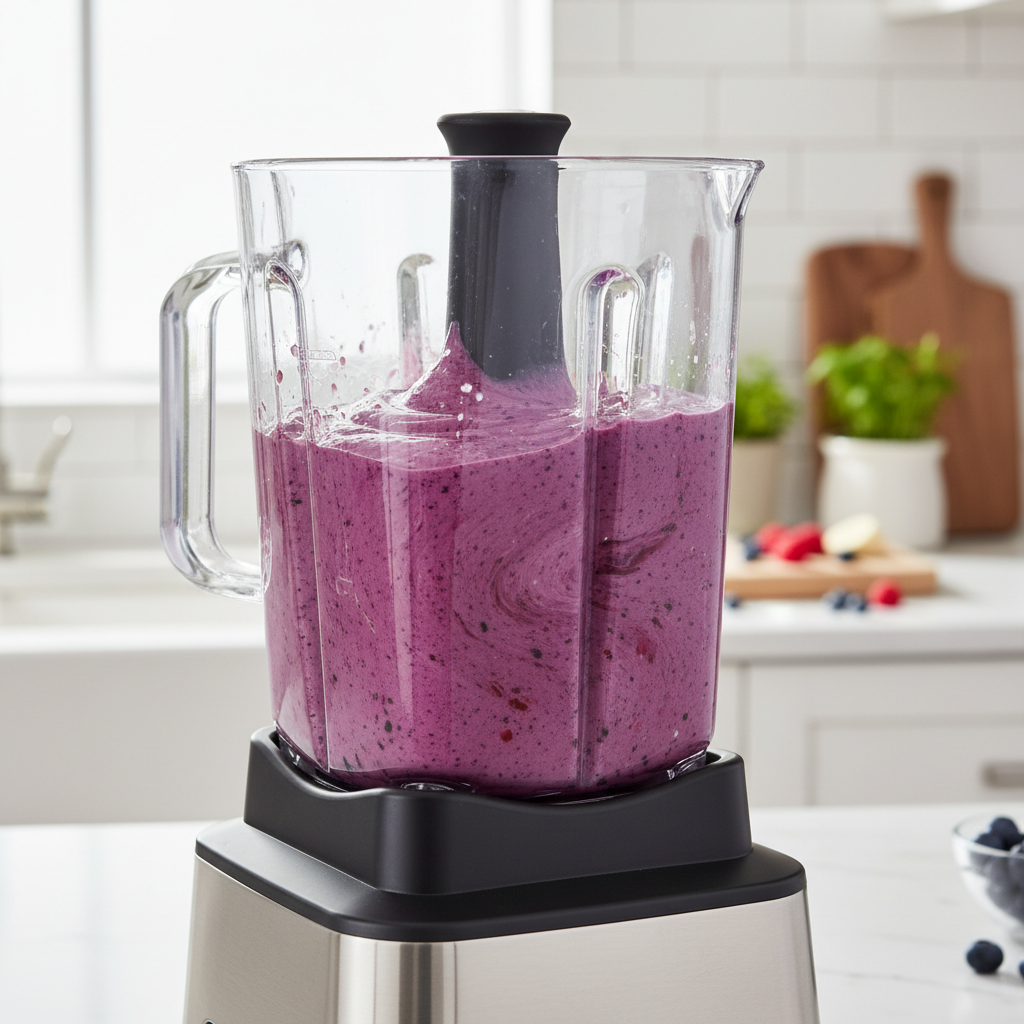
Key takeaway: thickness comes from frozen volume, not from “blending longer.” If the blender struggles, pause, scrape, stir, then continue.
Common mistakes that quietly ruin “healthy” smoothie bowls
A few habits make bowls less healthy without you noticing, especially when you rotate toppings based on mood.
- Granola as a main ingredient: it’s easy to pour 2–3 servings, measure once and learn what a serving looks like.
- Juice as liquid: it pushes sugar up quickly, unsweetened milk or water keeps things calmer.
- Stacking sweet add-ons: banana + honey + sweetened yogurt + chocolate chips adds up fast.
- Ignoring protein: if lunch cravings hit early, add protein before blaming willpower.
- “Detox” framing: your body already has systems for that, a bowl is food, not a cleanse.
If you’re using supplements, adaptogens, or higher-caffeine add-ins like matcha and coffee, tolerance varies, and medication interactions are possible, checking with a qualified professional is a sensible move in many cases.
Conclusion: a simple way to pick your next bowl (and stick with it)
When people look for best smoothie bowl recipes healthy, what they usually want is consistency: a bowl that tastes good, keeps you full, and doesn’t require a new shopping list every week.
Start with the base ratio, pick two flavor combos you genuinely like, then lock in one protein option and one fiber option for weekday mornings, after a week or two, you’ll know what to tweak for sweetness, thickness, and satiety.
Action step: choose one “default bowl” for busy days, then keep one fun combo for weekends so you don’t burn out.
FAQ
What are the best smoothie bowl recipes healthy for weight management?
Usually the ones with a clear protein anchor (Greek yogurt, cottage cheese, soy milk, or protein powder) and measured toppings, because that combo tends to feel more filling than fruit-only bowls. Portion size still matters.
How do I make a smoothie bowl thick without banana?
Use frozen berries plus frozen zucchini or cauliflower, then keep liquid low. Greek yogurt or cottage cheese also thickens well without adding much sweetness.
Is a smoothie bowl healthier than oatmeal?
It depends on how each is built. Oatmeal can be very balanced, and a smoothie bowl can be, too, but fruit-heavy bowls with lots of granola may be less filling than a protein-forward oatmeal.
What liquid is best for smoothie bowls?
Unsweetened milk (dairy or soy) is a common pick for texture and protein. Water works when you already have enough creaminess from yogurt, and juice is better as an occasional flavor add than a default base.
Can I meal prep smoothie bowls?
You can pre-portion freezer packs with fruit and boosters, then blend fresh. Fully blended bowls can separate and lose texture, so most people prefer prepping ingredients rather than finished bowls.
How can I reduce sugar in smoothie bowls while keeping them tasty?
Lean on berries, add cocoa, cinnamon, citrus zest, and a pinch of salt, and limit sweet toppings. Using half a banana instead of a whole one is a surprisingly effective change.
Are smoothie bowls safe for kids?
Often yes, but watch choking hazards in toppings like whole nuts and large seeds, and be mindful of added caffeine ingredients. For allergies or medical diets, it’s best to check with a pediatric professional.
If you’re trying to make smoothie bowls a real routine, not a one-week phase, it can help to set up a small “bowl system” in your kitchen: two dependable base options, a short topping list you actually use, and one high-protein add-in that fits your taste and budget.