
Margherita pizza easy is really about two things: a hot oven and simple ingredients that taste like themselves. If your homemade pies keep coming out soggy, pale, or bland, it usually isn’t your mozzarella’s fault, it’s heat management and how wet your toppings are.
This guide keeps it practical: a straightforward dough, a no-cook tomato sauce, smart assembly, and a few “save the pizza” fixes. You’ll also see small tweaks for skillet, grill, and baking steel, because most home kitchens don’t run like a Neapolitan pizzeria.
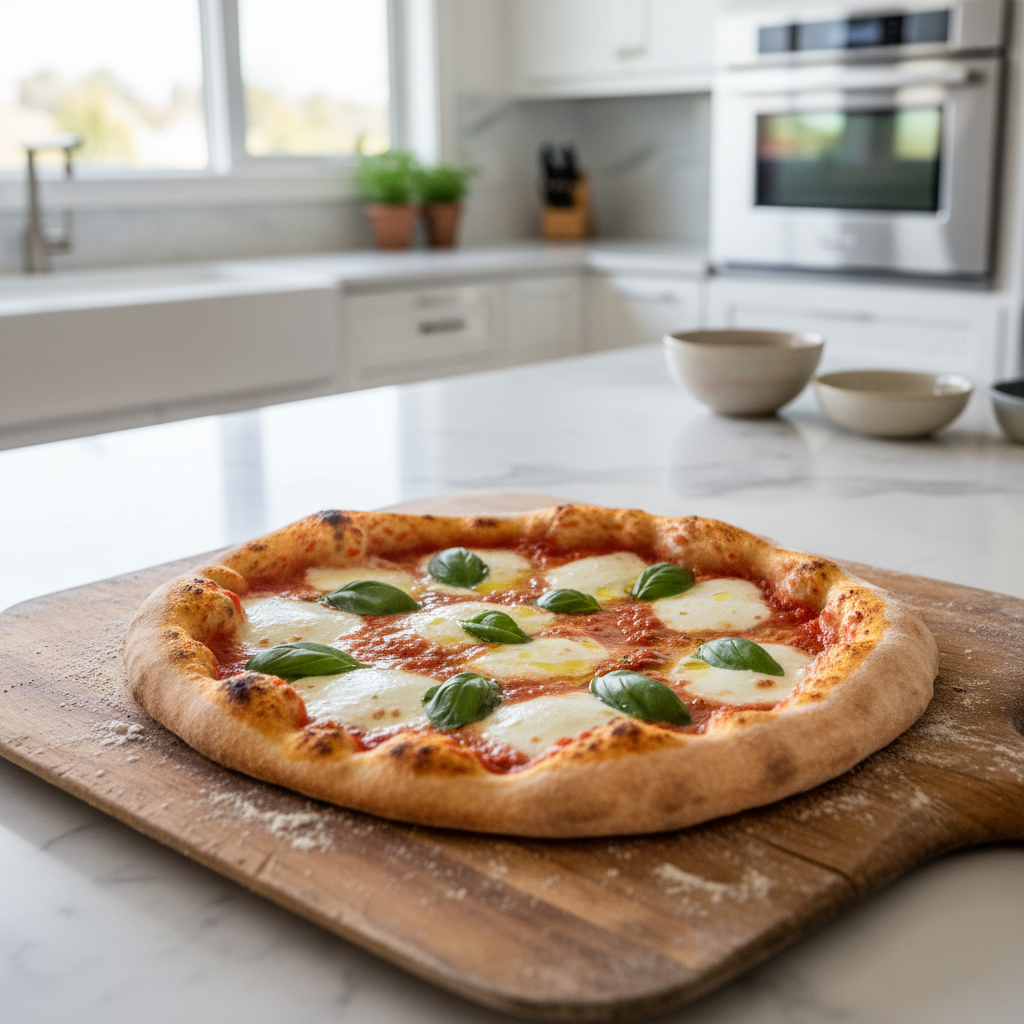
What makes a Margherita “easy” without turning it bland
Margherita is minimal by design: tomatoes, mozzarella, basil, olive oil, salt. That’s why the “easy” version works best when you focus on technique instead of adding more stuff.
- High heat gives you browned crust before the toppings overcook.
- Low moisture keeps the center from turning soupy.
- Good salt timing makes simple sauce taste finished.
According to the USDA, perishable foods like fresh mozzarella should not sit at room temperature for more than 2 hours. If you’re prepping ahead for a pizza night, keep cheese chilled until you’re ready to assemble.
Ingredients and smart swaps (so you don’t need a specialty store)
You can make margherita pizza easy with standard U.S. grocery ingredients, as long as you choose them with moisture and melt in mind.
Core ingredients
- Dough: homemade or store-bought (fresh or frozen)
- Tomatoes: canned whole peeled tomatoes or crushed tomatoes
- Mozzarella: low-moisture whole milk mozzarella, or fresh mozzarella (see notes)
- Basil: fresh leaves
- Olive oil, salt, optional pinch of sugar if tomatoes taste sharp
Swaps that usually work
- If you only have shredded mozzarella, use it sparingly and skip anti-caking “dust” by choosing a better brand when possible.
- If you use fresh mozzarella, slice and drain on paper towels 20–30 minutes to reduce puddles.
- No basil? Use fresh oregano lightly, it changes the vibe but still tastes “pizza.”
Quick dough options: choose your lane
Most people get stuck on dough. Here are three realistic paths, depending on time and patience.
| Option | Time | Best for | Watch-outs |
|---|---|---|---|
| Store-bought fresh dough | 1–2 hours (warm up) | Weeknight pizza | Needs room-temp relaxing to stretch well |
| Same-day quick dough | 2–3 hours | “I want it homemade” nights | Less flavor than overnight dough |
| Overnight fridge dough | 12–48 hours | Best texture/flavor with low effort | Plan ahead, don’t rush the warm-up |
If you’re aiming for margherita pizza easy, store-bought dough is honestly fine. The biggest “upgrade” is letting it rest at room temperature until it stretches without snapping back.
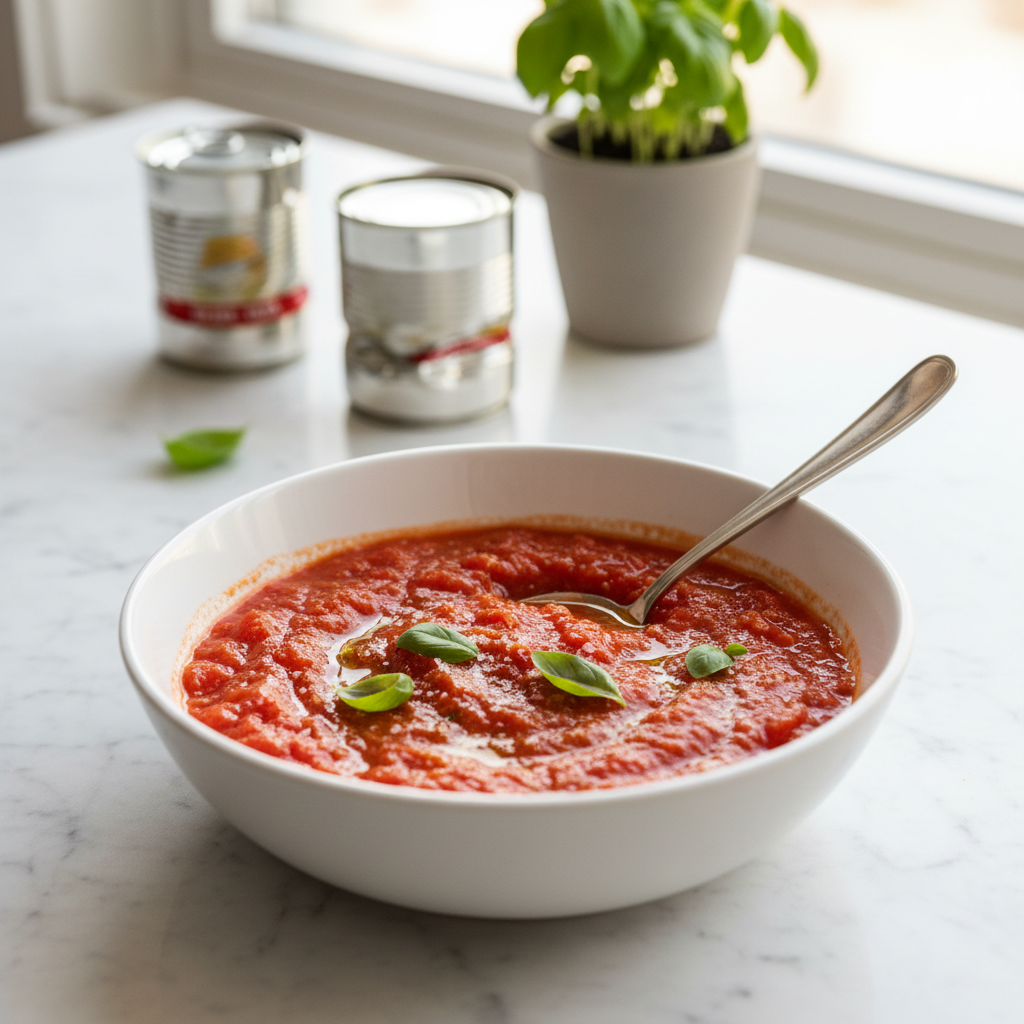
No-cook Margherita sauce (fast, bright, not watery)
This is the sauce that keeps your pizza tasting fresh instead of cooked-down spaghetti vibes.
- 1 cup canned tomatoes (crushed by hand or quick-blended)
- 1/2 tsp kosher salt, then adjust
- 1 tbsp olive oil
- Optional: 1 small grated garlic clove (go easy), pinch of sugar if needed
Mix, taste, stop. If it tastes slightly too bold on a spoon, it often lands perfectly once it bakes on bread and cheese.
Step-by-step: margherita pizza easy in a home oven
This approach assumes a standard U.S. oven, and it still gets you crisp edges and a center that holds up.
1) Preheat like you mean it
- Set oven to 500–550°F (whatever your oven allows).
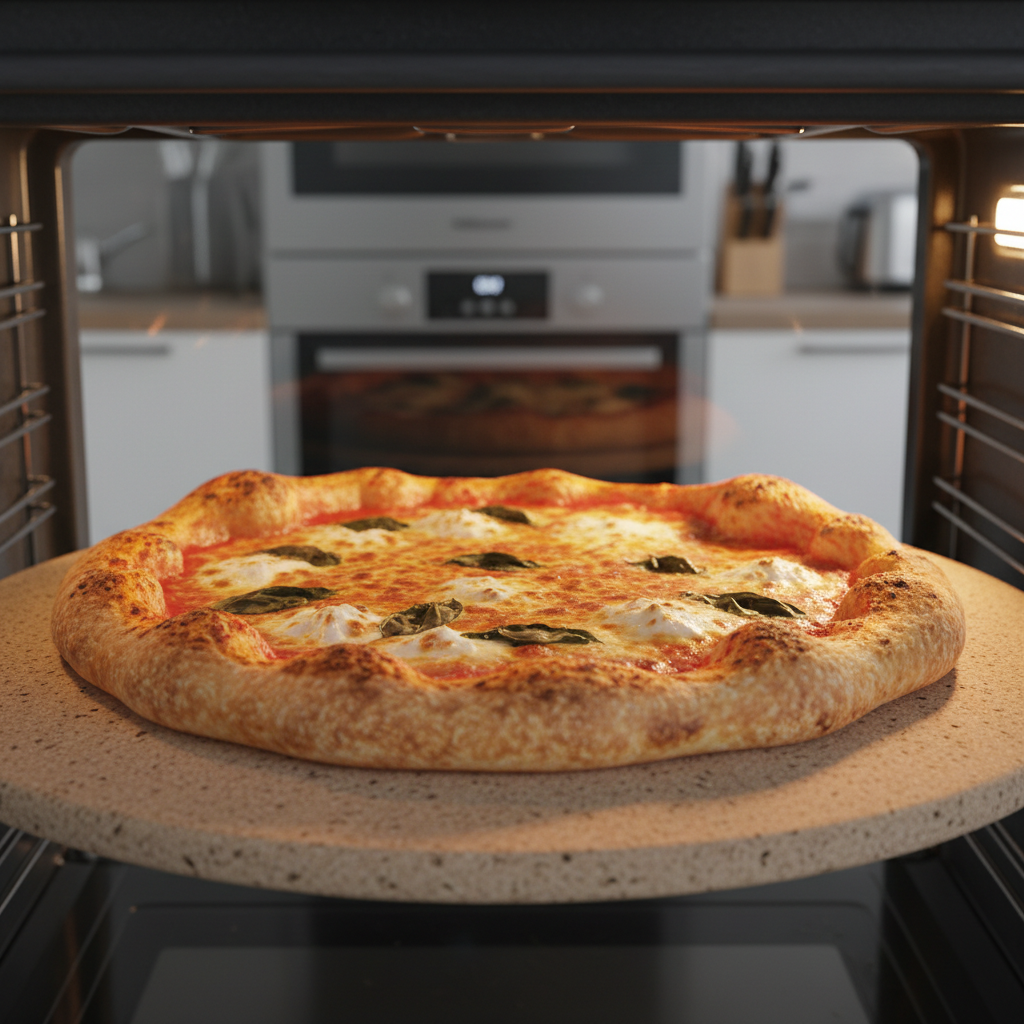
- Place a pizza stone/steel on the top third rack, preheat 45–60 minutes.
No stone or steel? Use an inverted sheet pan preheated in the oven, it’s not identical, but it helps.
2) Shape the dough without fighting it
- Flour the counter lightly, then press dough from center outward.
- Stop when it resists, wait 5 minutes, then continue.
- Aim for 10–12 inches for a typical dough ball.
3) Assemble with a light hand
- Spread 2–3 tbsp sauce, thin enough to see dough through it in spots.
- Add mozzarella in small pieces, not a solid blanket.
- Add a drizzle of olive oil, pinch of salt if your cheese is mild.
4) Bake fast, finish fresh
- Bake about 7–10 minutes on stone/steel, depending on thickness and oven.
- Add basil after baking for a brighter flavor and less scorching.
Key point: if the bottom is pale but the top is done, your baking surface wasn’t hot enough yet, or it sat too long while topped.
Quick self-check: why your pizza isn’t coming out right
If your “easy” pizza keeps going sideways, this list usually pinpoints the issue in under a minute.
- Soggy center: too much sauce, wet fresh mozzarella, thick dough, or low heat.
- Rubbery crust: underbaked bottom, not enough preheat, dough stretched too thick.
- Dry and crackly: too little sauce, overbaked, dough over-floured.
- Bitter/charred basil: added too early, or placed near broiler too long.
- Cheese “pools” of water: fresh mozzarella not drained, or sliced too thick.
Practical fixes and variations (skillet, grill, sheet pan)
Sometimes you’re not changing your recipe, you’re adapting to your equipment. That’s normal.
Skillet Margherita (great if your oven runs weak)
- Heat cast iron on medium-high, add stretched dough, cook 1–2 minutes until it sets.
- Flip, add sauce and cheese quickly, cover and cook 3–5 minutes.
- Finish under broiler briefly for browning.
Grill method (summer-friendly)
- Preheat grill to high, oil grates lightly.
- Grill one side of dough, flip, top lightly, close lid until cheese melts.
Sheet-pan Margherita (for a crowd)
- Oil the pan generously, press dough to corners, use a bit more sauce.
- Bake longer at 475–500°F to cook through.
Mistakes that feel small but ruin “easy” Margherita
- Overloading toppings: Margherita isn’t the place to “use up leftovers,” it collapses fast.
- Skipping the preheat: a stone needs time, not just temperature.
- Building the pizza too early: dough sits, absorbs sauce, then tears or bakes gummy.
- Cold dough: it fights stretching, then bakes unevenly.
- Using watery tomatoes without draining: if the can looks thin, strain a little liquid.
Also, don’t chase perfection on attempt one. Home ovens vary a lot, and a tweak that works in one kitchen may need adjusting in another.
Key takeaways (save this part)
- Heat is the secret ingredient: preheat longer than you think.
- Less sauce, smaller cheese pieces keeps the center crisp.
- Drain fresh mozzarella if you use it, otherwise expect puddles.
- Add basil after baking for a cleaner flavor.
- If you want margherita pizza easy on a weeknight, store-bought dough plus a no-cook sauce is a solid combo.
Conclusion: a simple pizza that rewards small upgrades
Margherita works at home when you treat it like a hot-oven project, not a “pile it on” recipe. Get the surface ripping hot, keep toppings light, and manage moisture, that’s most of the game.
If you make one change this week, let your oven and stone preheat longer, then use less sauce than you feel like using. That single adjustment fixes more homemade pizzas than any fancy ingredient.
FAQ
- How do I make margherita pizza easy if I don’t have a pizza stone?
Preheat an inverted sheet pan, build the pizza on parchment, then slide it onto the hot metal. You may not get the same blistering as a stone, but you’ll still improve browning. - Can I use fresh mozzarella without making the pizza watery?
Yes, many people can, but it takes a little prep. Slice it, blot it well, and use smaller pieces spaced out rather than thick rounds covering the whole pie. - What temperature should I bake a Margherita pizza at?
Usually 500–550°F works well for home ovens. If your oven tops out at 475°F, bake a bit longer and lean on a preheated steel/stone or hot sheet pan. - Should basil go on before or after baking?
After baking is the safer bet for flavor and appearance. If you like it baked, tuck a few leaves under cheese so they don’t scorch. - Why is my crust pale on the bottom?
Most often the baking surface did not fully preheat, or the rack position sits too low. Move the stone to the upper third and give it more time to store heat. - Can I make the dough ahead for an easy weeknight?
Yes, and it often improves texture. Refrigerate dough 12–48 hours, then let it warm up until stretchy before shaping. - Is margherita pizza safe to leave out at a party?
Food safety depends on time and temperature. According to the USDA, perishable foods should not sit out more than 2 hours, and less if it’s very warm, when in doubt, refrigerate and reheat.
If you’re trying to make weeknight pizza more consistent, it can help to standardize a few “defaults” like dough weight, sauce amount, and bake time, then adjust one variable at a time until your home setup feels predictable.