
The best cutlet recipe potato vegetable usually comes down to one thing people underestimate, moisture control, because potatoes and mixed veggies can taste amazing yet still turn into a soft, oily mess in the pan.
If you want cutlets that stay together, brown evenly, and still feel light enough to serve as a snack or weeknight dinner, you need a few small technique choices more than fancy ingredients.
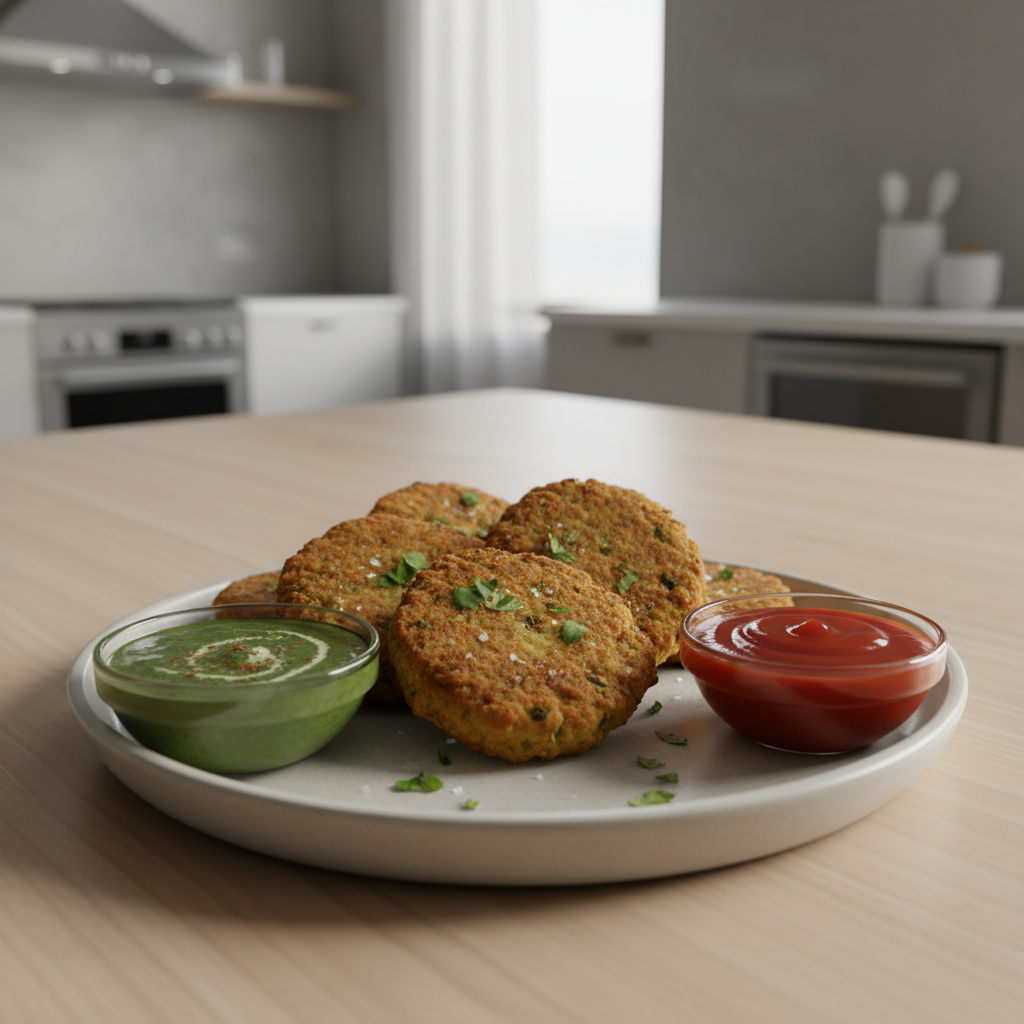
This guide focuses on the practical stuff, how to pick the right potato texture, which vegetables behave well, how to bind without making them heavy, and what to do when the mixture fights back.
What makes a potato-vegetable cutlet “best” in real kitchens
People define “best” differently, but in most home kitchens it means a cutlet that checks four boxes, crispy outside, tender inside, doesn’t crack, and tastes like vegetables, not filler.
- Texture balance: fluffy mash inside, not gummy, with small veggie bits for bite.
- Stable shaping: holds up from cutting board to pan without needing a ton of flour.
- Clean browning: surface dries enough to form a crust before oil soaks in.
- Seasoning that lands: salt, acid, and aromatics so it doesn’t taste like “mashed potato patty.”
Key takeaway: if your mixture feels wet or pasty in the bowl, it will almost always turn fragile in the pan.
Ingredients and smart substitutions (with a quick ratio table)
This version stays close to what most U.S. kitchens can source easily, while keeping the flavor profile flexible, you can lean Indian-style with cumin and cilantro, or go more classic with garlic, parsley, and pepper.
Base ingredients you’ll want on hand:
- Russet or Yukon Gold potatoes (cooked, peeled, mashed)
- Mixed vegetables (peas, carrots, corn, green beans, bell pepper)
- Aromatics (onion or scallion, garlic, ginger optional)
- Binder (breadcrumbs, oat flour, or chickpea flour)
- Seasoning (salt, black pepper, cumin, paprika, garam masala optional)
- Coating (breadcrumbs or panko)
- Oil for shallow frying or pan-frying
Recommended ratios (scale up or down)
| Component | Best starting point | Notes |
|---|---|---|
| Mashed potato | 2 cups | Let steam-dry before mixing for better binding. |
| Cooked mixed vegetables | 1 to 1 1/4 cups | Drain well, chop small, avoid watery veg unless pre-cooked down. |
| Binder (breadcrumbs/oat flour/besan) | 1/3 to 1/2 cup | Add gradually, mixture should feel firm, not doughy. |
| Seasoning + aromatics | To taste | Salt early, add herbs late to keep them bright. |
| Coating (panko/breadcrumbs) | 1 to 1 1/2 cups | Panko gives a louder crunch, fine crumbs coat more evenly. |
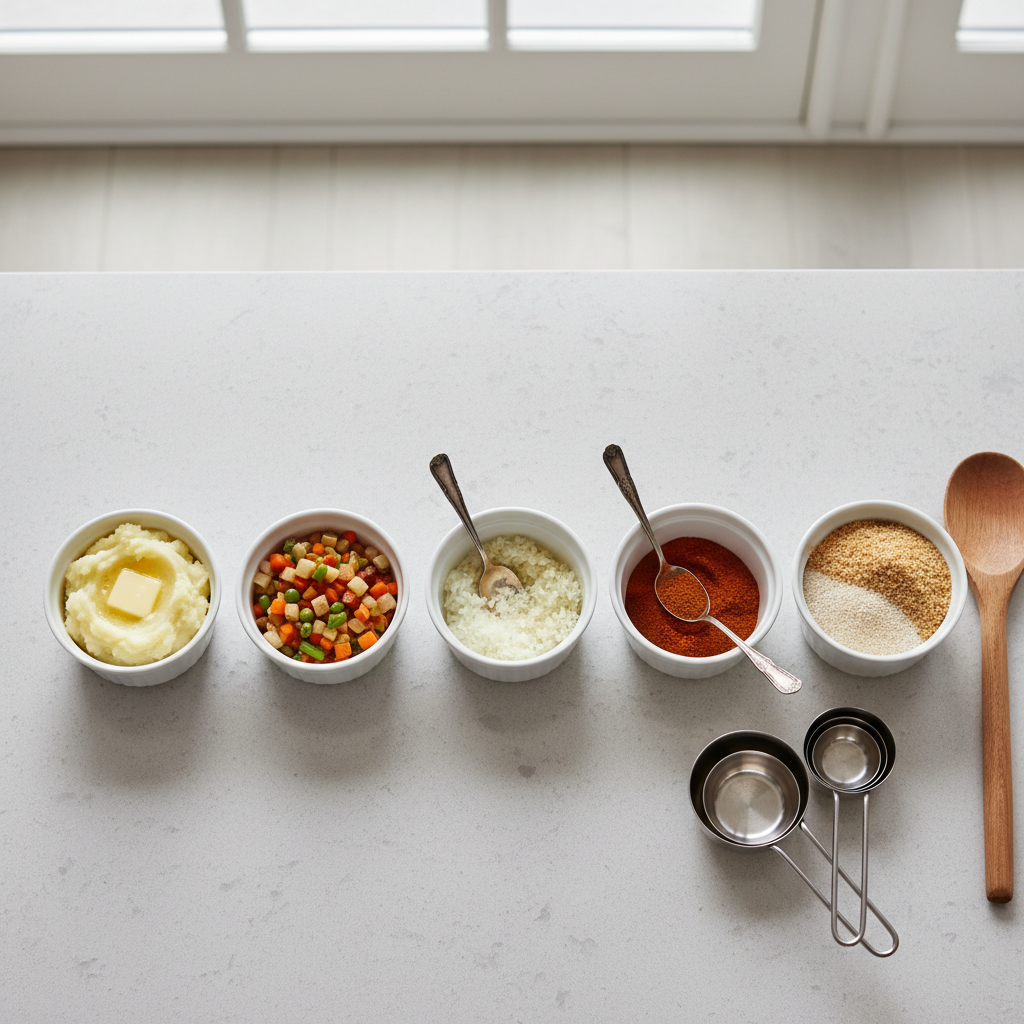
Substitution notes that usually work: oat flour for breadcrumbs if you want a slightly lighter bite, chickpea flour for a more savory, “snack shop” vibe, and sweet potato can replace up to half the potato, but it can make the mix softer so you may need more binder.
Why cutlets turn soggy or fall apart (and how to prevent it)
If you tried a best cutlet recipe potato vegetable online and still got breakage, it’s rarely your flipping skills, it’s usually water and starch behaving badly.
- Potatoes held too much water: boiling cut pieces can saturate them, steaming or baking often makes drier mash.
- Veggies weren’t dried: frozen veg can release water fast as they heat, pat them dry after cooking.
- Binder added too early: some binders absorb slowly, you add more, then later it turns dense.
- Pan not hot enough: weak heat means the crust forms late, oil seeps in, cutlet softens.
- Over-handling: too much mixing makes potato starch gluey, especially with waxy potatoes.
Reality check: even a perfect mixture can crack if it hits cold oil or gets moved before the crust sets, so timing matters.
Quick self-check: is your mixture ready to shape?
Before you coat anything, do a 60-second check, it saves a lot of frustration.
- Squeeze test: press a tablespoon of mixture in your palm, it should hold shape without oozing water.
- Finger drag: drag a finger through the bowl, if it leaves a clean-ish path, it’s usually firm enough.
- Micro patty trial: pan-fry a small nugget, if it spreads or breaks, add 1–2 tablespoons binder and retry.
- Salt balance: taste a small cooked bit, if bland now, it will taste flatter after coating.
If you’re borderline, chilling helps, 15–25 minutes in the fridge can tighten the mixture and make shaping calmer.
Best vegetable potato cutlet recipe (step-by-step)
This is the workflow I’d use for consistent results, not the fastest, but it tends to behave in the pan.
1) Cook and dry the potatoes
- Boil whole potatoes with skins on, or steam them, until a knife slides in easily.
- Peel while warm, then mash and spread on a plate for 5–10 minutes so steam escapes.
2) Cook vegetables and remove excess moisture
- Sauté onion (and garlic/ginger if using) in a teaspoon of oil until soft.
- Add mixed vegetables, cook until hot and any visible moisture evaporates.
- Cool slightly, then chop if pieces feel large.
3) Mix gently, then adjust binder
- Combine mashed potato, vegetables, spices, herbs, salt, and lemon juice.
- Add binder gradually, stop when the mix feels firm and shapeable.
4) Shape, coat, and rest
- Shape into 8–10 medium patties, about 1/2 inch thick.
- Coat with breadcrumbs or panko, press lightly so crumbs stick.
- Rest 10 minutes on a tray, this helps the coating hydrate and adhere.
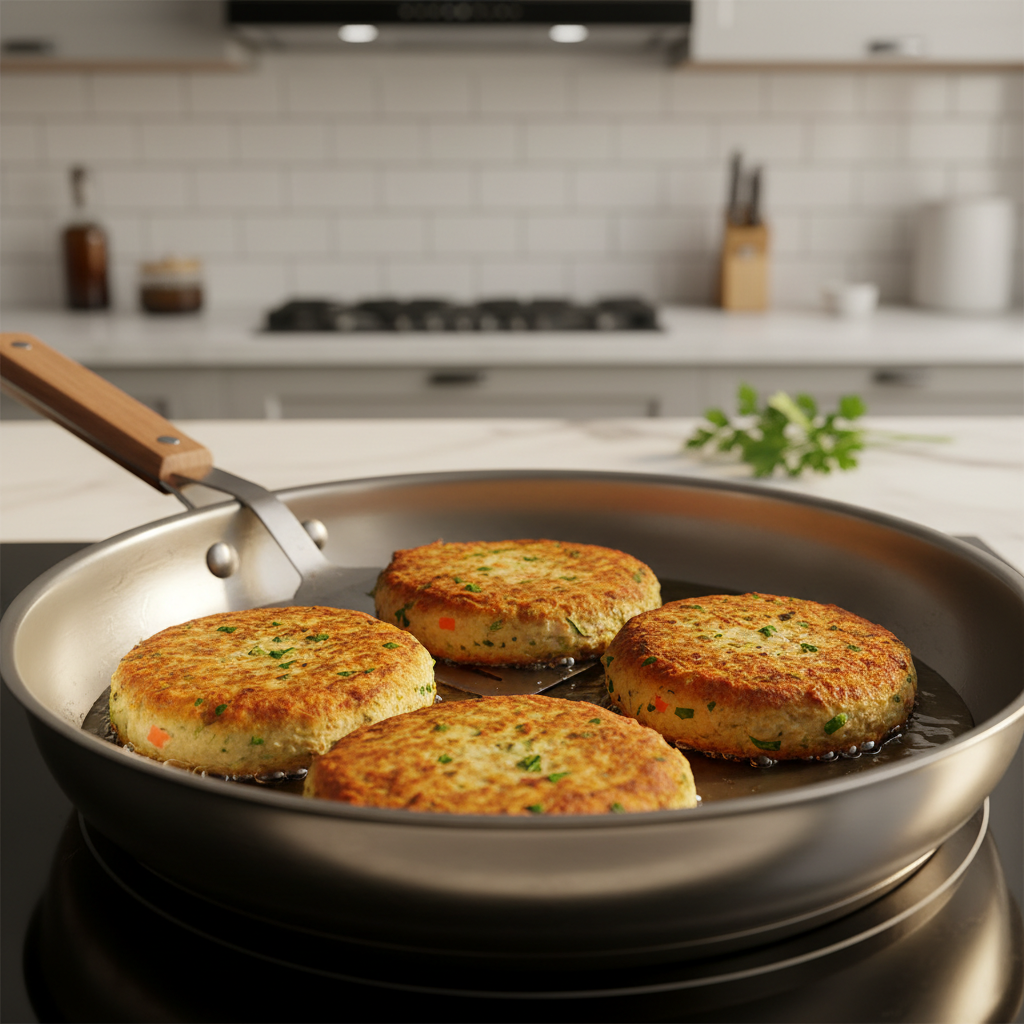
5) Pan-fry (or shallow fry) for a crisp crust
- Heat a thin layer of oil over medium to medium-high heat.
- Place cutlets gently, don’t crowd the pan.
- Cook until deep golden, then flip once, finish the second side.
Don’t rush the flip: if the first side hasn’t browned, it often means the crust hasn’t set, and that’s when tearing happens.
Serve hot with yogurt sauce, ketchup, or a simple green herb chutney, if you plan to hold them for later, keep them on a wire rack so steam doesn’t soften the crust.
Practical variations for 2026 tastes (air fryer, gluten-free, higher protein)
Most people want a cutlet recipe that fits their routine, not a “one true way.” These are the tweaks that tend to work without wrecking texture.
Air fryer method
- Brush or spray cutlets lightly with oil.
- Air fry at 390°F for about 10–14 minutes, flipping midway.
- Expect a drier crunch than frying, but still satisfying if you oil the surface well.
Gluten-free approach
- Use gluten-free breadcrumbs or crushed rice cereal for coating.
- Bind with oat flour (certified GF if needed) or chickpea flour.
Higher-protein option
- Add 1/2 cup cooked lentils, mashed lightly, or crumbled firm tofu squeezed dry.
- Increase seasoning a touch, protein additions can mute spice and salt.
According to USDA FoodData Central, nutrition varies widely across potato types and add-ins, so if you track macros, it’s worth calculating based on your exact ingredients.
Common mistakes and safety notes (so you don’t waste a batch)
Most “failed” cutlets are salvageable, but you need to diagnose the right issue.
- Mistake: adding lots of flour to fix wet mix. Better: dry the mix first, spread it on a plate, cool it, then add binder slowly.
- Mistake: using watery vegetables raw. Better: cook down zucchini, mushrooms, spinach, then squeeze and cool before mixing.
- Mistake: flipping repeatedly. Better: let one side set, flip once, then finish.
- Mistake: draining on paper towels only. Better: use a rack after a quick blot so steam can escape.
Food safety: if you include eggs or dairy in your variation, don’t leave the mixture at room temp for long, and reheat leftovers until steaming hot. If you have specific dietary or health concerns, it’s reasonable to check with a qualified professional.
Conclusion: how to get “best” results without overthinking
The best cutlet recipe potato vegetable is less about secret spices and more about a dry mash, well-drained vegetables, gentle mixing, and enough heat to set the crust before the inside warms through.
If you only change two things next time, steam-dry your potatoes and test-fry a mini patty before shaping the whole batch, those two moves catch most problems early.
FAQ
Why do my potato vegetable cutlets break while flipping?
Most often the mixture is too wet or the first side hasn’t browned enough to form a crust. Chill the shaped patties briefly, heat the oil properly, and flip only after you see a clear golden edge.
Can I bake these cutlets instead of frying?
Yes, baking can work, though the crust is usually lighter. Use a well-oiled sheet pan, preheat it, and brush the tops with oil so browning starts sooner.
What’s the best binder for potato cutlets?
Breadcrumbs are reliable and forgiving, chickpea flour adds savory structure, oat flour stays mild. The “best” depends on your texture goal and dietary needs, but adding it gradually matters more than the exact choice.
How do I keep cutlets crispy for a party?
Hold them on a wire rack in a warm oven so steam escapes. Covered containers trap moisture and soften the coating fast.
Can I freeze vegetable potato cutlets?
Usually yes. Freeze shaped, coated patties on a tray, then bag them once firm. Cook from frozen with a slightly longer cook time, and avoid overcrowding so they brown instead of steaming.
Which potatoes work best for cutlets, Russet or Yukon Gold?
Russets tend to mash fluffier and drier, which helps structure. Yukon Gold gives a creamier bite, but if your mix already runs soft, you may need a little more binder.
How can I make the flavor pop without making cutlets spicy?
Add a small squeeze of lemon, a pinch of black pepper, and fresh herbs. Acid and aromatics lift flavor without turning it hot.
If you want a more hands-off workflow
If you’re cooking for a busy week and want the same crisp texture with fewer moving parts, it can help to prep a “dry mix” kit, measured binder plus coating plus spices, then you only add potatoes and vegetables when you’re ready to cook, it’s a simple setup that makes the best cutlet recipe potato vegetable easier to repeat.