
best chocolate chip cookies recipe soft is what most people type after a batch comes out dry, puffy, or weirdly flat, and honestly, those results usually come from small, fixable details, not “bad baking skills.”
This guide gives you a dependable soft-cookie formula, plus the why behind each choice so you can adjust for your kitchen, your oven, and your idea of “soft” without guessing.
Quick heads-up, “soft” can mean two different things: chewy and thick with a tender center, or pillowy and cake-like, this recipe aims for chewy-soft with slightly crisp edges because that’s what most people expect from a classic chocolate chip cookie.
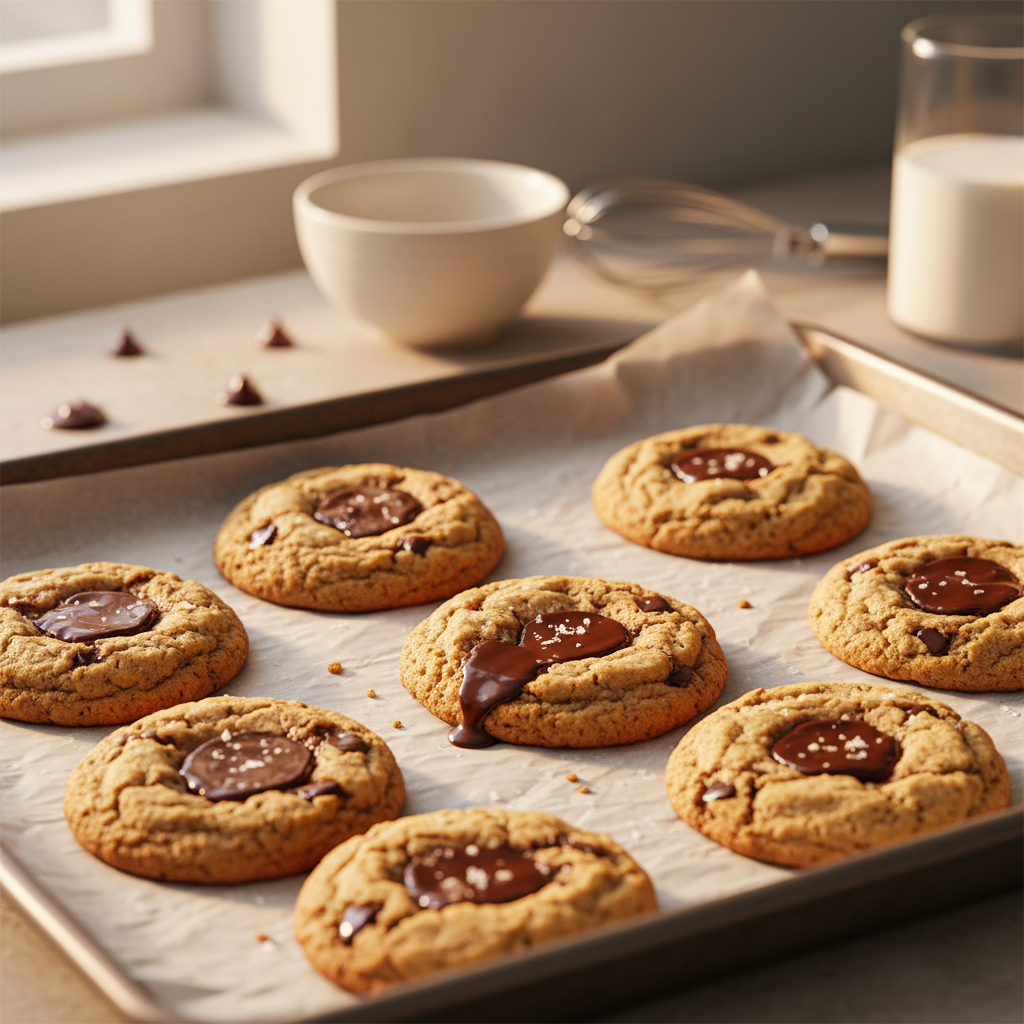
What makes chocolate chip cookies stay soft
Softness is mostly a moisture game, plus how much gluten develops in your dough. If you control those two, you control the texture.
- More brown sugar than white sugar keeps cookies chewier because brown sugar brings molasses and holds moisture.
- Fat choice and temperature matter, melted butter spreads more, cool butter holds shape, room-temp butter sits in the middle.
- Just enough flour, too little turns cookies greasy and thin, too much pushes them toward cakey.
- Egg and yolk add structure and richness, an extra yolk can boost chew without drying out.
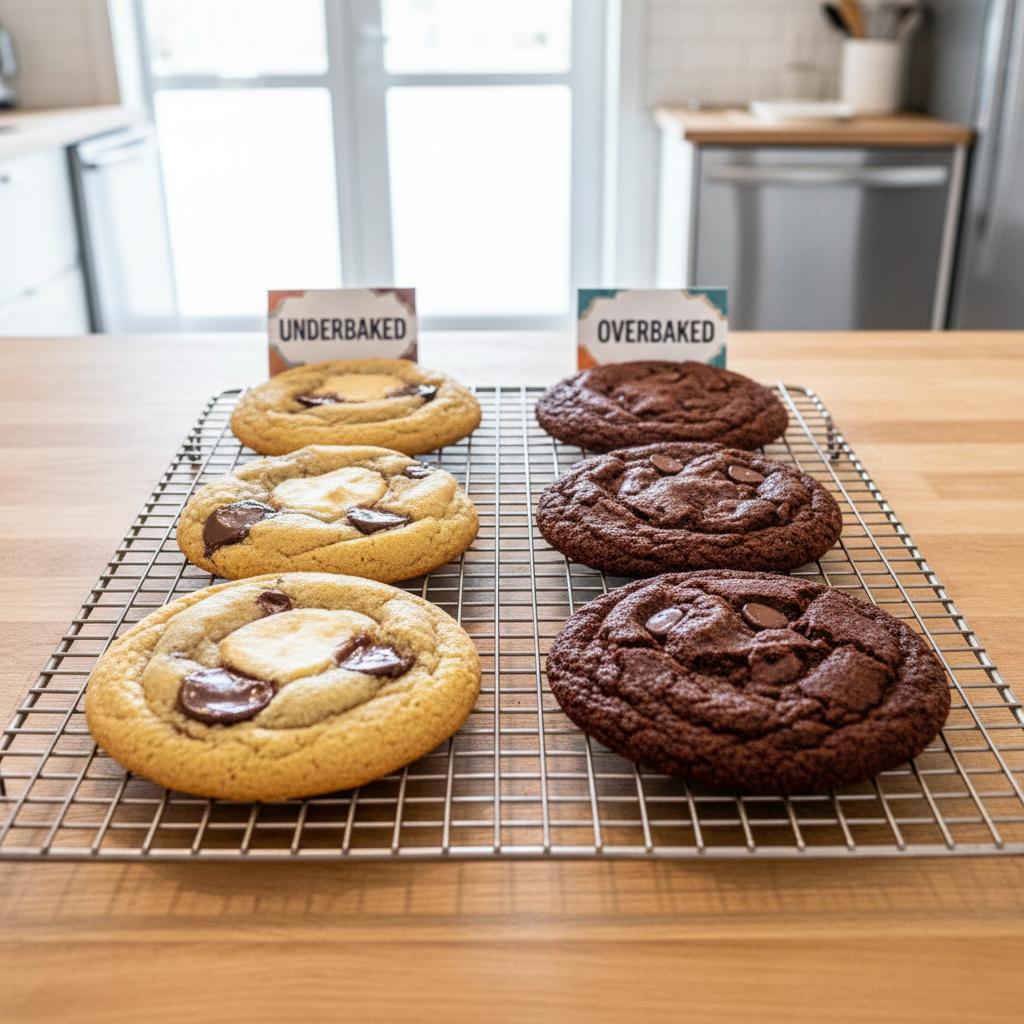
- Underbake slightly, the carryover heat finishes the center after you pull the tray out.
According to USDA Food Safety and Inspection Service, raw cookie dough containing eggs should not be tasted, so resist the “just a little bite” habit and rely on visual cues instead.
A reliable soft cookie recipe (ingredients + why they matter)
This is the core formula I reach for when someone wants a cookie that stays tender on day two, not just five minutes after cooling.
Ingredients (makes about 24 medium cookies)
- 2 1/4 cups (270g) all-purpose flour
- 1 tsp baking soda
- 1 tsp fine salt
- 3/4 cup (170g) unsalted butter, room temperature
- 3/4 cup (150g) packed light brown sugar
- 1/2 cup (100g) granulated sugar
- 1 large egg + 1 egg yolk, room temperature
- 2 tsp vanilla extract
- 2 cups (340g) semisweet chocolate chips or chunks
Why this blend works
- Brown sugar lead helps that soft, chewy center last.
- Extra yolk boosts tenderness and a “bakery” chew without turning cakey.
- Room-temp butter creams well for structure, but won’t over-spread like fully melted butter.
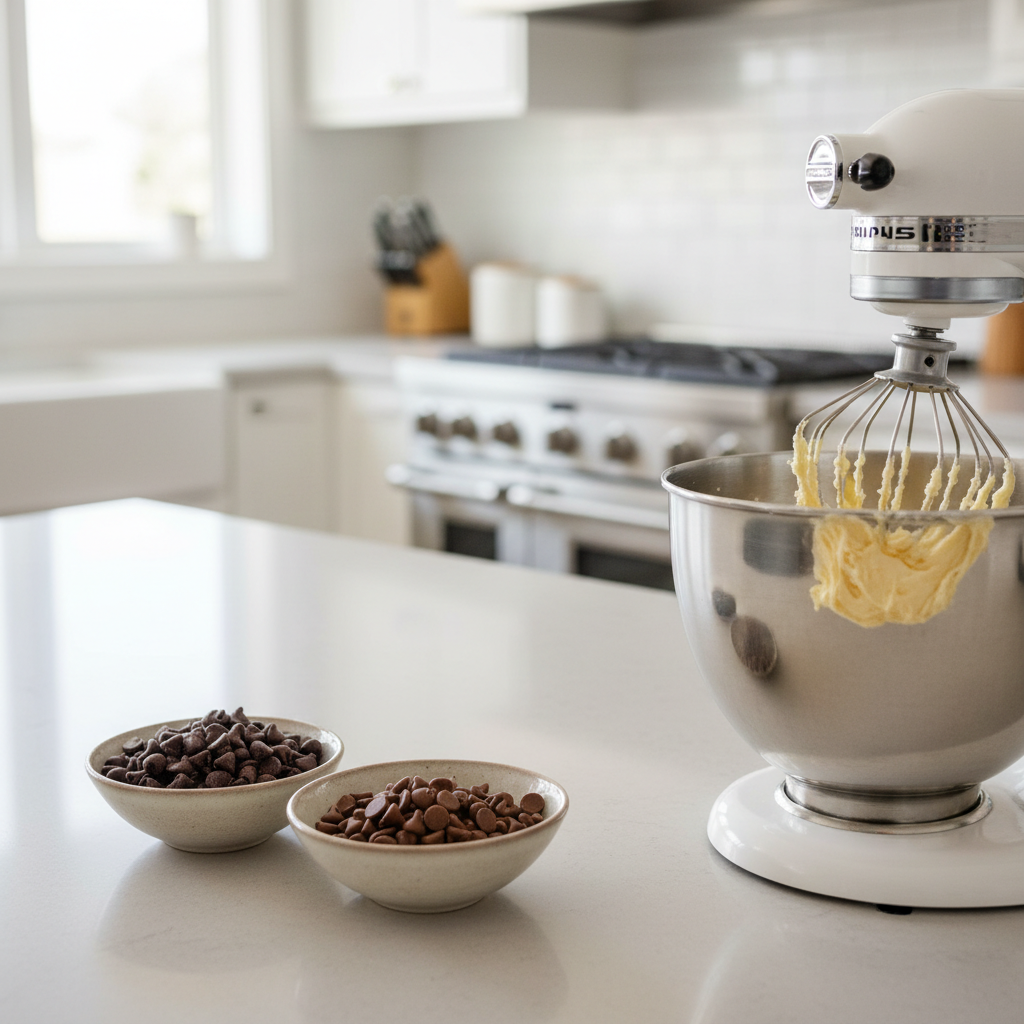
Step-by-step method (so they bake soft, not cakey or flat)
Don’t overthink it, but do follow the order. Small sequencing choices change texture more than people expect.
1) Prep and preheat
- Heat oven to 350°F.
- Line 2 baking sheets with parchment paper.
2) Mix dry ingredients
- Whisk flour, baking soda, and salt in a bowl.
3) Cream butter and sugars
- Beat butter, brown sugar, and white sugar for about 2–3 minutes until lighter and fluffy.
- Add egg, yolk, and vanilla, mix just until combined.
4) Add dry mix gently
- Mix in the flour mixture on low speed until no dry flour streaks remain.
- Fold in chocolate chips.
5) Chill (this is the soft-cookie insurance)
- Chill dough 30–60 minutes for thicker cookies and better flavor.
- If you’re short on time, even 20 minutes helps control spread.
6) Scoop and bake
- Scoop 2 tbsp portions (about 35–40g) and space them 2–3 inches apart.
- Bake 10–12 minutes until edges look set and centers look slightly underdone.
- Cool 5 minutes on the pan, then move to a rack.
Key point: If you wait for the center to look fully baked in the oven, you usually lose the soft middle after cooling.
Fast self-check: why your cookies aren’t coming out soft
If your last batch disappointed you, this checklist usually spots the real culprit in under a minute.
- Dry and crumbly? Too much flour, overbaked, or dough mixed too long after flour went in.
- Cakey and tall? Too much flour, too much baking soda, or not enough sugar/fat ratio for chew.
- Flat and greasy? Butter too warm, no chill time, or baking sheet still hot from the previous batch.
- Hard the next day? Baked too long, stored unsealed, or not enough brown sugar.
Also, measure flour with a light hand, spoon into the cup and level off, or use a scale if you have one, it removes a lot of uncertainty.
Smart tweaks for your “soft” preference (chewy, thick, or extra tender)
This is where the best chocolate chip cookies recipe soft becomes your recipe, not just a one-off set of steps.
If you want thicker cookies
- Chill dough 2–24 hours.
- Use slightly larger scoops, then add 1–2 minutes bake time.
- Keep butter cool-room-temp, not shiny or melty.
If you want chewier cookies
- Swap 2 tbsp flour for 2 tbsp bread flour, chew increases from higher protein.
- Keep brown sugar as the dominant sugar.
If you want extra tender and soft (less chew)
- Skip the extra yolk and use 1 whole egg only.
- Reduce bake time by about 1 minute and let carryover heat finish the center.
Ovens vary a lot, if your cookies brown fast, 325°F for a slightly longer bake can help keep centers soft while edges set.
Storage, freezing, and make-ahead tips (so they stay soft)
Getting soft cookies out of the oven is one win, keeping them soft tomorrow is the other.
- Store airtight once fully cool, warm cookies trapped in a container can get soggy.
- Add a slice of bread in the container, it can help maintain softness in many kitchens, though results vary by humidity.
- Freeze dough balls on a tray, then bag them, bake from frozen with a small time increase.
According to FDA, cold foods should be kept at 40°F or below, so if you add perishable mix-ins like cream cheese frosting or custard fillings, storage rules change and you may want to check a food safety source or ask a professional.
Quick reference table: soft-cookie choices at a glance
If you’re troubleshooting mid-bake, this table keeps decisions simple.
| Goal | What to change | What you’ll notice |
|---|---|---|
| Thicker cookies | Chill dough longer, bake on cool sheet | Less spread, taller centers |
| Chewier texture | More brown sugar, add a little bread flour | More bend, less crumble |
| Softer next day | Slightly underbake, airtight storage | Center stays tender after cooling |
| Less puff/cake | Measure flour carefully, don’t overmix | Denser, more classic cookie bite |
Conclusion: your next batch should be soft on purpose
If your goal is a best chocolate chip cookies recipe soft enough to feel tender but still taste like a classic cookie, focus on three moves: brown-sugar-forward dough, a short chill, and pulling the tray when centers still look a touch underbaked.
Make the base recipe once as written, then change just one variable next time, chill time or scoop size usually gives the biggest payoff without turning your kitchen into a science project.