
best upma recipe rava semolina easy is really about two things: getting the texture right (fluffy, not gummy) and making the flavor feel “finished” even on a rushed weekday.
If you’ve tried upma once and thought, “Why is this sticky?” or “Why does it taste flat?”, you’re not alone. Rava (also called semolina) is forgiving in some ways, but it punishes small timing mistakes, especially how you roast it and how you add water.
This guide keeps it practical for a U.S. kitchen, with easy swaps, clear ratios, and fixes if something goes sideways. You’ll also get a quick customization table so you can make it vegan, higher-protein, or kid-friendly without re-learning the whole recipe.
What makes rava upma taste great (and what usually goes wrong)
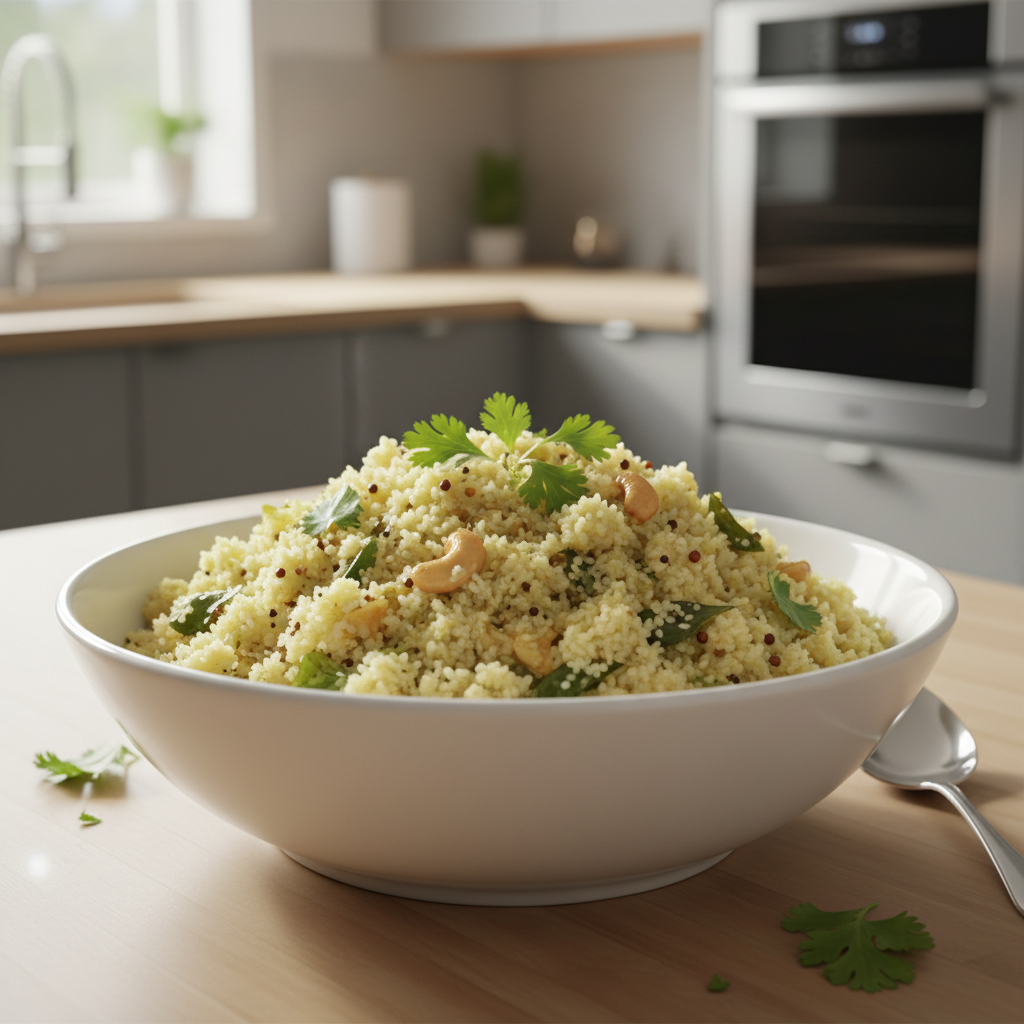
Upma is simple food, but the “simple” parts do the heavy lifting. A good batch has tiny separate grains, gentle aroma from toasted rava, and enough seasoning that you don’t need a sauce to make it interesting.
Common issues usually trace back to one of these:
- Rava not roasted enough: it tastes raw and turns pasty faster.
- Water dumped in too fast: clumps form instantly and you chase them forever.
- Weak tempering: the spice base is undercooked, so the whole dish tastes muted.
- Wrong ratio for your semolina: fine vs coarse rava absorbs differently, so “one-size” measurements can mislead.
According to USDA FoodData Central, semolina is a wheat product, so anyone with gluten sensitivity should choose alternatives and consider professional dietary guidance if needed.
Ingredients for an easy, reliable upma (U.S. grocery friendly)
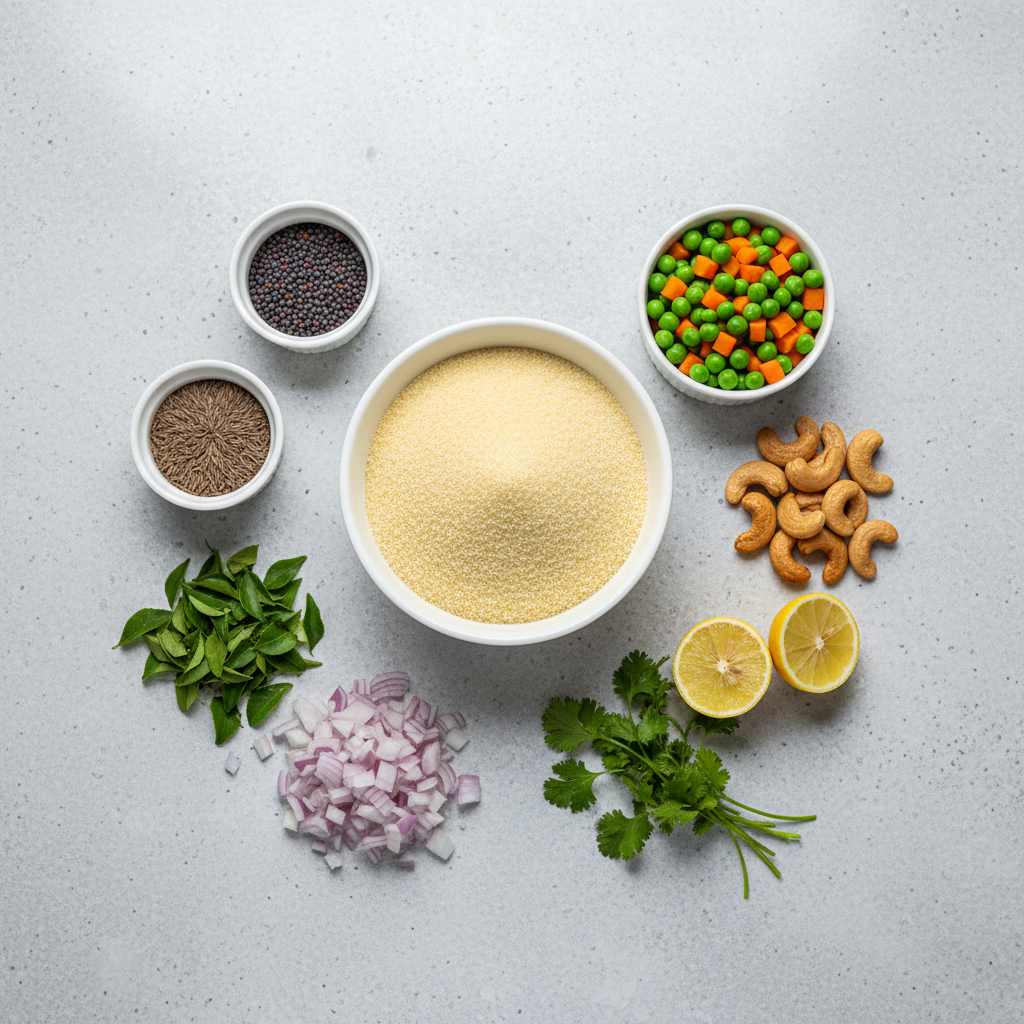
You can keep this traditional or adapt it with what you already have. The core is rava + fat + aromatics + water.
- Rava / semolina: “cream of wheat” style is usually finer; Indian-labeled rava often ranges from fine to medium.
- Neutral oil or ghee: ghee gives a classic aroma, oil keeps it lighter.
- Mustard seeds and cumin: flavor backbone.
- Curry leaves: optional but high impact; frozen curry leaves work well.
- Onion, ginger, green chile: adjust heat level to your comfort.
- Water (or light broth), salt, lemon.
- Add-ins: peas, carrots, cashews, cilantro.
Key point: if your semolina is very fine, expect slightly less water and a faster cook time than medium/coarse rava.
Best easy rava upma recipe (step-by-step)
This method is built for consistency, not chef theatrics. It also scales well if you want meal prep.
Base ratio (start here)
- 1 cup rava/semolina
- 2 to 2.5 cups water (start with 2.25 cups if unsure)
- 2 tbsp oil or ghee
- 1/2 tsp mustard seeds, 1/2 tsp cumin
- 1 small onion, finely chopped
- 1 tsp grated ginger, 1 green chile (optional)
- 8–10 curry leaves (optional), 2 tbsp cashews (optional)
- Salt, lemon juice, cilantro
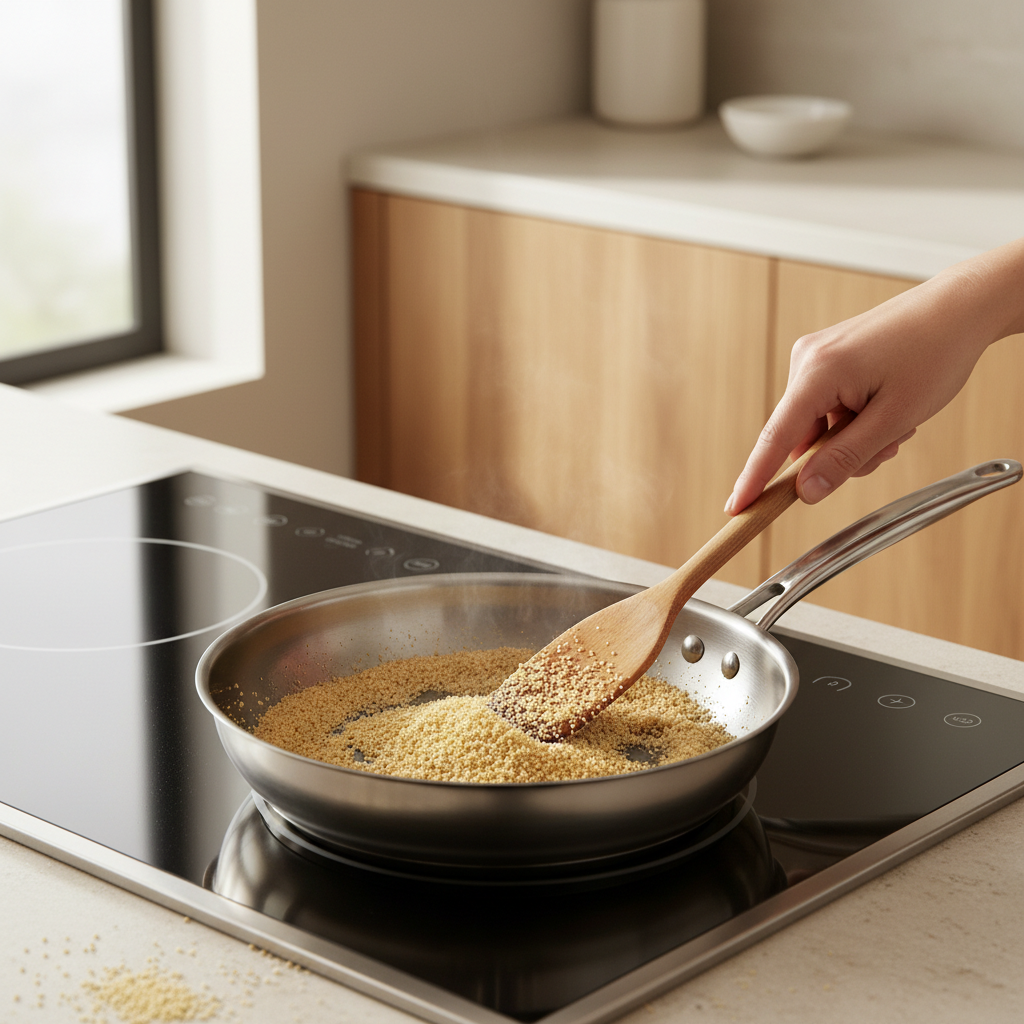
1) Dry-roast the rava
Heat a skillet on medium-low, add rava, stir often, and roast until it smells nutty and looks just a shade darker. For many stoves, this takes 5–8 minutes. Pour into a bowl and set aside.
2) Build flavor in the same pan
Add oil or ghee. When hot, add mustard seeds and wait for popping. Add cumin, curry leaves, and cashews, then onion. Cook until onion turns soft and translucent, then add ginger and chile for 30 seconds.
3) Add water, then control the pour
Add measured water and salt, bring to a steady simmer. Lower heat slightly. Now, sprinkle roasted rava in a thin stream while stirring continuously. This is where the “best upma recipe rava semolina easy” promise gets earned.
4) Steam-finish for fluffy texture
Once thickened, cover and cook on low 2–4 minutes. Turn off heat, rest 2 minutes, then fluff. Add lemon juice and cilantro at the end so the flavor stays bright.
Quick self-check: which upma problem do you have?
If your last upma attempt disappointed you, diagnose it quickly before changing everything.
- Sticky, gluey texture: rava wasn’t roasted enough, water was too low, or the mix got overheated after thickening.
- Lumps: rava added too fast or without stirring; water not simmering when added.
- Dry and crumbly: water too low, or you cooked uncovered too long.
- Flat taste: tempering underdone, not enough salt, skipped acid (lemon), or no aromatics.
- Bitter notes: mustard/curry leaves scorched, or ginger/green chile burned on high heat.
One small tweak usually fixes it; you rarely need a totally different recipe.
Customization table: make it your version without breaking the texture
Use this as a safe “edit menu” so the base still behaves predictably.
| Goal | What to change | What to watch |
|---|---|---|
| Vegan | Use oil instead of ghee | Add a little extra lemon to keep flavor lively |
| Higher protein | Add cooked lentils, edamame, or a side of Greek yogurt | Extra add-ins can thicken it; splash in hot water as needed |
| More veggies | Add peas, carrots, bell pepper, spinach | Watery veggies can loosen texture; simmer briefly before rava |
| Kid-friendly | Skip green chile, add mild black pepper | Keep mustard seeds if they like it, or reduce |
| Restaurant-style aroma | Add a pinch of hing (asafoetida) and more curry leaves | Too much hing can taste harsh; use a light hand |
Practical tips that make this recipe “easy” in real life
Most people don’t fail at cooking upma, they fail at timing. These small habits save batches.
- Pre-roast a jar: roast 3–4 cups rava on Sunday, store airtight, weekday upma becomes a 10-minute job.
- Measure water once: if you eyeball, at least keep the same cup each time.
- Keep hot water nearby: if it tightens too much, add 2–3 tbsp hot water and fluff.
- Salt the water: salting after thickening can make seasoning uneven.
- Finish with acid: lemon at the end turns “okay” into “I’d make this again.”
If you want the best upma recipe rava semolina easy experience, treat the pour step like you’re making polenta: steady stream, steady stirring, then stop messing with it and let it steam.
Common mistakes (and fixes you can do mid-cook)
Upma is forgiving if you intervene early, and even late-stage fixes exist.
- Lumps forming: turn heat low, whisk vigorously, then cover 2 minutes; small lumps often soften as it steams.
- Too thick: add hot water in small splashes, fluff between splashes, don’t stir aggressively.
- Too loose: cook uncovered 1–2 minutes, then cover to steam; avoid cranking heat, it can scorch.
- Scorched bottom: move the clean top portion to a new pan, add 1–2 tbsp water, and steam briefly.
According to FDA guidance on food safety, cooked grains should not sit at room temperature for extended periods; if you’re meal-prepping, refrigerate promptly and reheat thoroughly.
When to adjust for dietary needs or get extra guidance
Rava upma is wheat-based, so it contains gluten, and many semolina products may share equipment with other allergens. If you manage celiac disease, wheat allergy, or a medically prescribed diet, ingredient labels and cross-contact risk matter more than “traditional” technique, and a registered dietitian can help tailor swaps.
For lower sodium needs, reduce salt and lean more on lemon, herbs, and toasted spices. If you’re monitoring blood sugar, portion size and add-ins (like more vegetables and protein sides) often matter as much as the base grain.
Conclusion: a repeatable upma you’ll actually want to make
The best batches come from a roasted rava base, a properly cooked tempering, and a controlled pour into simmering salted water. Once you lock those in, you can tweak heat, veggies, and richness without losing the texture.
If you cook this once, jot down your water ratio for your specific semolina brand, then repeat it next time, that small note is usually what turns “pretty good” into your personal go-to.
Key takeaways
- Roast rava until nutty, not pale and raw-smelling.
- Simmer water first, then add rava in a thin stream while stirring.
- Steam-rest for fluffiness, finish with lemon for brightness.
FAQ
- What is the best water-to-rava ratio for upma?
Many kitchens land between 2:1 and 2.5:1 water to rava, but fine semolina often needs less. Start around 2.25:1 and adjust the next batch. - Can I make upma without mustard seeds or curry leaves?
Yes, it still works, but it may taste simpler. Use cumin, sautéed onion, ginger, and a finishing squeeze of lemon to keep flavor balanced. - Why does my semolina upma turn sticky after it cools?
Some stickiness is normal as starch sets. Roasting well and avoiding over-stirring after thickening helps, and fluffing with a fork (not mashing) keeps it lighter. - Is cream of wheat the same as rava for upma?
It’s similar, often finer. It can work, but you may need slightly less water and a shorter cook time, otherwise it can go mushy. - How do I store and reheat upma?
Refrigerate in a sealed container, then reheat with a small splash of water and gentle heat. Microwave works too; cover it so steam loosens the grains. - Can I make this best upma recipe rava semolina easy in an Instant Pot?
Possible, but it’s easy to overcook. Stovetop tends to give better control over the pour and final texture, which is the main challenge for most people. - What can I serve with upma for a full breakfast?
Chutney, plain yogurt, or fruit works well. If you want more protein, pair with eggs or a bowl of lentils, depending on your diet.
If you’re trying to build a reliable breakfast rotation, this best upma recipe rava semolina easy approach is a good “template” dish: roast a bigger batch of rava once, then mix-and-match add-ins during the week so it stays fast without feeling repetitive.