
Meatballs recipe easy is really about two things: keeping the mixture simple, and handling it gently so you get tender, juicy bites instead of dense “golf balls.” If you’ve ever had meatballs fall apart, turn out dry, or taste a little flat, this guide is built to fix that without turning dinner into a project.
Homemade meatballs are one of those meals that quietly save your week, they stretch into pasta night, subs, meal prep bowls, even a quick appetizer. The catch is that small choices matter: the fat level in the beef, how you add moisture, and whether you bake or pan-sear.
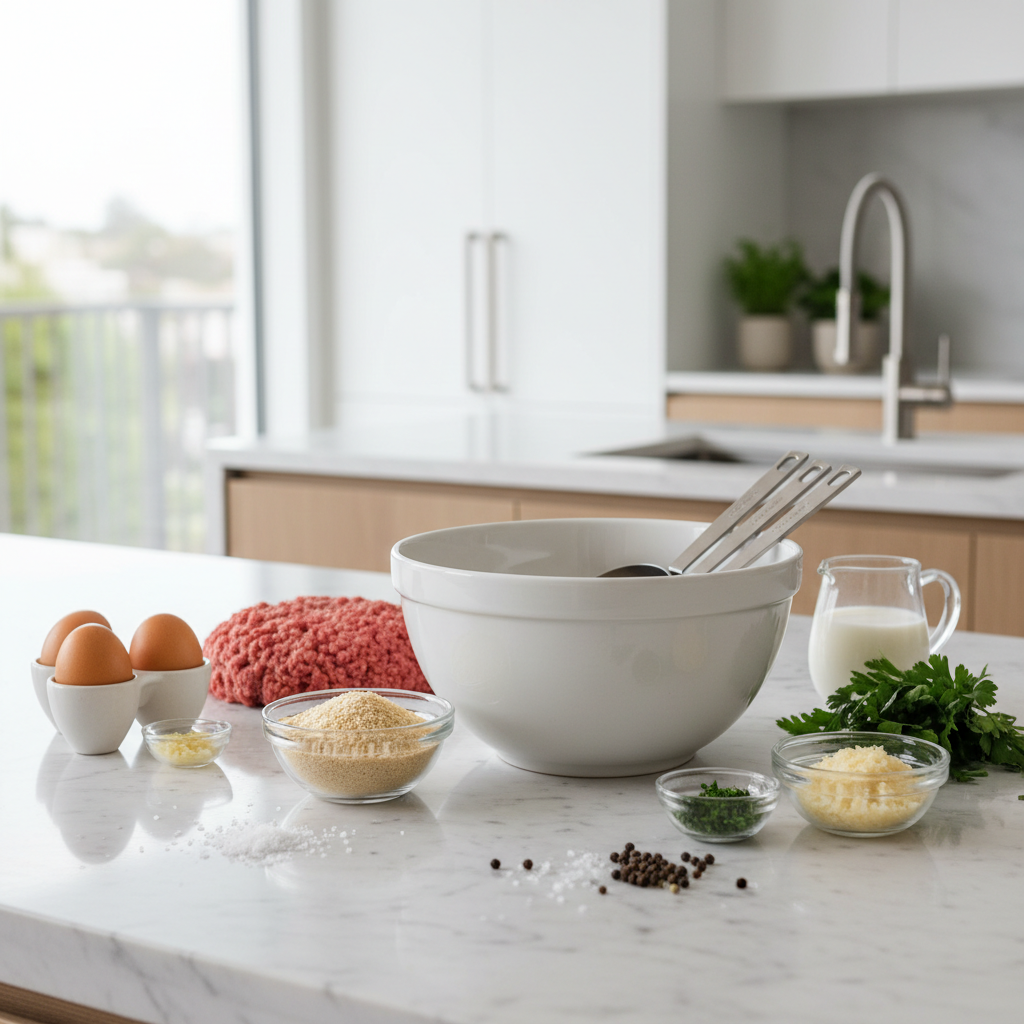
I’ll walk you through a reliable base recipe, then show the small adjustments that make it work for different goals: extra tender, lower mess, freezer-friendly, or “I need these to hold up in sauce for hours.”
What makes an “easy” meatball recipe actually work
The best shortcut is understanding what you can’t skip. Meatballs are basically a simple emulsion: meat + seasoning + a binder + moisture, mixed just enough to hold.
- Moisture matters: breadcrumbs alone can dry meatballs out; adding milk (or broth) helps them stay juicy.
- Fat is flavor and tenderness: very lean beef often cooks up firm. Many home cooks prefer 80/20 or 85/15 for a forgiving texture.
- Gentle mixing: overmixing packs proteins tight, which often leads to dense meatballs.
- Even size: uniform balls cook at the same pace, so you’re not choosing between dry and underdone.
According to USDA Food Safety and Inspection Service (FSIS), ground beef should be cooked to an internal temperature of 160°F for safety, so a thermometer takes the guesswork out.
Easy Homemade Beef Meatballs (core recipe)
This meatballs recipe easy version makes classic Italian-American style beef meatballs that work with marinara, cream sauces, or a simple pan gravy.
Ingredients (about 18–22 meatballs)
- 1 lb ground beef (80/20 or 85/15 tends to be a good balance)
- 1/2 cup breadcrumbs (plain or Italian-style)
- 1/3 cup milk (or low-sodium broth)
- 1 large egg
- 1/3 cup grated Parmesan (optional, but adds savory depth)
- 2 cloves garlic, minced (or 1 tsp garlic powder)
- 2 Tbsp chopped parsley (optional)
- 1 tsp kosher salt (adjust if using salty cheese)
- 1/2 tsp black pepper
- 1 tsp dried oregano or Italian seasoning
- 1–2 Tbsp olive oil (only if pan-searing)
Directions
- Soak the breadcrumbs: in a large bowl, stir breadcrumbs with milk, let sit 2–3 minutes until it looks like a thick paste.
- Add flavor: mix in egg, Parmesan, garlic, parsley, salt, pepper, oregano.
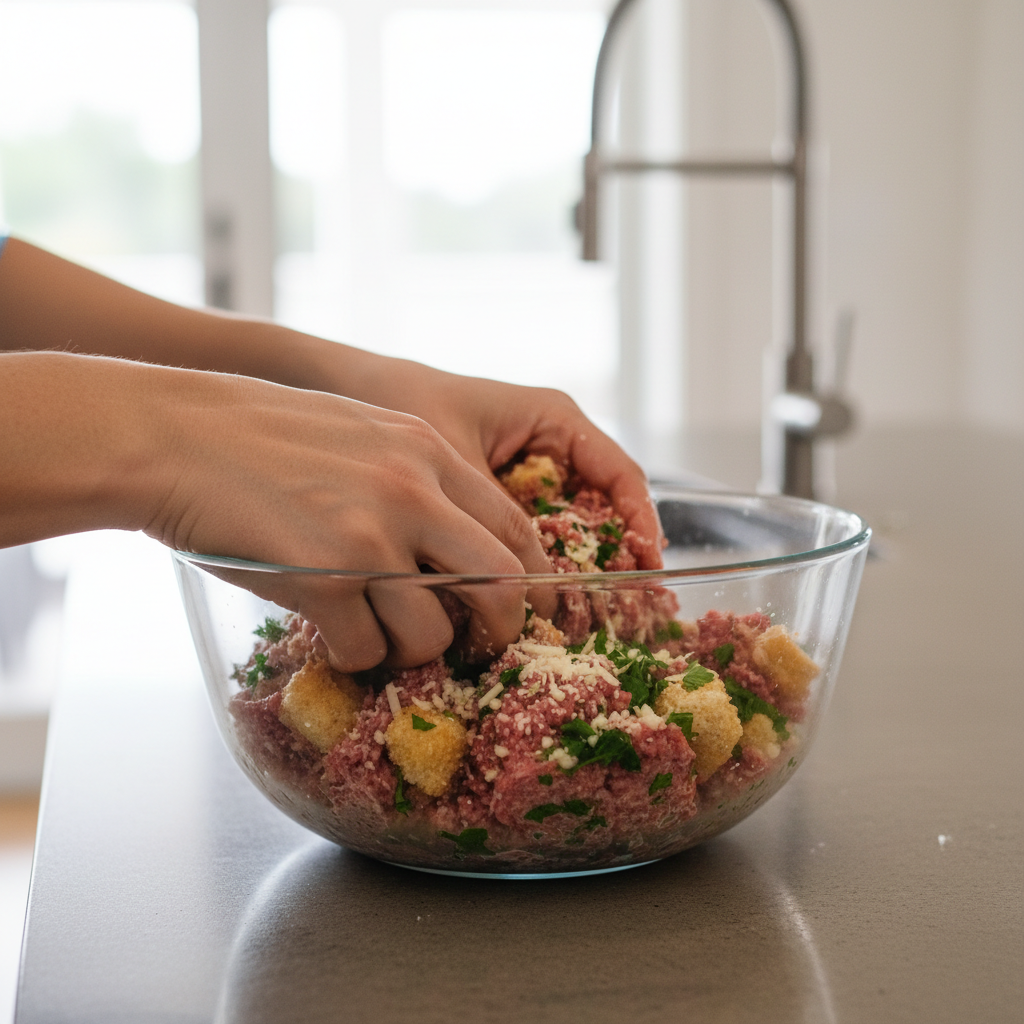
- Add beef: crumble it in, then mix with your hands just until combined, stop when it looks even.
- Form: scoop into 1.5-inch balls (a cookie scoop helps), roll lightly.
- Cook: choose baking or pan-sear below, and cook to 160°F.
Bake vs. pan-sear: pick your weeknight method
Both routes are valid. The “right” choice depends on how much hands-on time you want and what texture you like.
| Method | Why people like it | Trade-offs |
|---|---|---|
| Baked (400°F) | Low mess, easy batch cooking, consistent doneness | Less crust unless you broil briefly |
| Pan-seared | Deeper browning, richer flavor, great for serving “dry” | More attention, can crowd the pan |
How to bake
- Heat oven to 400°F, line a sheet pan with parchment or foil.
- Place meatballs with a little space between.
- Bake 14–18 minutes, depending on size, until 160°F inside.
- If you want extra color, broil 1–2 minutes at the end, watch closely.
How to pan-sear (then finish)
- Heat a thin layer of oil in a skillet over medium to medium-high.
- Sear in batches, turning gently, 5–7 minutes total until browned.
- Finish in sauce on low heat, or in a 375–400°F oven until 160°F.
Quick self-check: why your meatballs turn out dry, tough, or crumbly
If your last batch disappointed you, this checklist usually points to the fix fast.
- Dry: beef too lean, too many crumbs, skipped milk, or overcooked.
- Tough/dense: overmixed, packed too tightly when rolling, or cooked too hot too long.
- Crumbly/falling apart: not enough egg/binder, mixture too wet, or pan moved too early.
- Bland: under-salted mix, no umami (Parmesan, onion, Worcestershire), or sauce too mild.
A small but real trick: cook one “test” meatball first, taste for salt and texture, then adjust before you shape the whole batch.
Practical tweaks (without complicating the recipe)
This is where you can make the same base taste like you meant it.
For extra tender meatballs
- Swap 1/4 of breadcrumbs for panko or use fresh breadcrumbs.
- Add 1–2 Tbsp finely grated onion (or a spoon of ricotta), both bring moisture.
- Mix less than you think you need, stop as soon as it holds.
For meatballs that hold up in sauce
- Use 85/15 beef, slightly firmer than 80/20 but still juicy.
- Pan-sear first for structure and flavor, then simmer gently.
- Keep the simmer low; aggressive boiling can break them.
For meal prep and freezing
- Bake, cool, then freeze on a tray before bagging.
- Label portions (6 meatballs per bag works for many households).
- Reheat in sauce on low, or microwave with a splash of water/sauce to avoid drying.
Serving ideas that make meatballs feel like a real dinner
You don’t need a new recipe, you need a new landing spot.
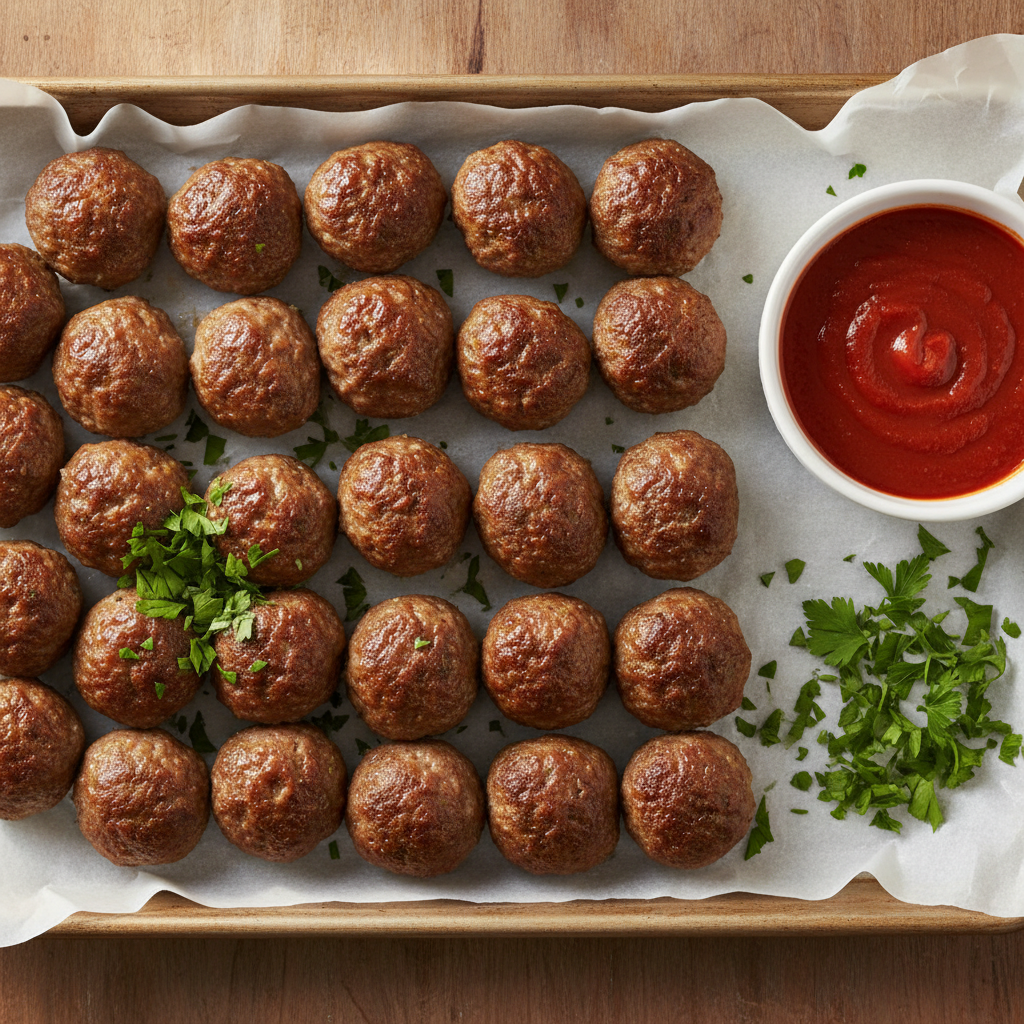
- Classic spaghetti and marinara: bake meatballs, then finish in sauce 10 minutes.
- Meatball subs: toast rolls, add meatballs + sauce, top with provolone or mozzarella.
- Rice bowl: meatballs, steamed rice, quick cucumber salad, drizzle of yogurt sauce.
- Appetizer: keep them smaller, glaze with BBQ or a simple grape jelly + chili sauce mix if that’s your style.
If you’re watching sodium or fat intake, adjustments can be personal, and in some situations it’s smart to check with a nutrition professional.
Common mistakes (the ones that waste your time)
- Skipping the breadcrumb soak: dry crumbs pull moisture from meat as it cooks.
- Overcrowding the pan: you steam instead of brown, then you keep cooking to “get color,” and dryness follows.
- Cooking by minutes only: ovens vary; use 160°F as the endpoint for ground beef.
- Overworking the mix: the mixture should look just combined, not “smooth.”
Conclusion: your easy path to consistently good beef meatballs
A meatballs recipe easy doesn’t need fancy ingredients, it needs a dependable ratio, gentle mixing, and a cooking method that fits your night. Start with the breadcrumb-and-milk base, choose baked for low effort or pan-seared for extra browning, and use a thermometer so you stop cooking at the right moment.
Key takeaways: keep some fat in the beef, add moisture, don’t overmix, and aim for 160°F. If you do just those, the rest becomes preference.
Make a double batch next time and freeze half, future-you will be grateful on the next busy Tuesday.
FAQ
What’s the easiest way to keep meatballs from falling apart?
Make sure you have a binder (egg) and a hydrated crumb (breadcrumbs soaked in milk). Also, handle gently and wait until a crust forms before moving them in a pan.
Can I bake meatballs instead of frying to keep it simpler?
Yes, baking is often the simplest path for weeknights. You may get slightly less crust, but you gain consistency and less splatter, especially with larger batches.
How do I know when beef meatballs are done without cutting them open?
Use an instant-read thermometer and pull them at 160°F in the center. According to USDA FSIS, that’s the safe internal temperature for ground beef.
Why are my meatballs tough even when the flavor is good?
Overmixing and overcooking are common causes. Mix only until combined, and stop cooking as soon as they reach temperature, especially if they will simmer in sauce afterward.
Can I make this meatballs recipe easy with no Parmesan?
Definitely. Parmesan adds savory depth, but you can replace it with a teaspoon of Worcestershire sauce or a pinch more salt and garlic for a similar “boost.”
Should I simmer meatballs in sauce raw or cook them first?
Many cooks prefer browning or baking first, then finishing in sauce for structure and better flavor. Simmering raw can work, but it takes longer and can be trickier to keep intact.
How long do cooked meatballs keep in the fridge?
Often 3–4 days in an airtight container, but storage time can vary with cooling and fridge temperature. If you’re unsure, it’s safer to freeze.
Can I freeze meatballs before cooking?
Yes, freeze them on a tray until firm, then bag. Cook from frozen by baking a bit longer, and still verify doneness with a thermometer.
If you’re trying to standardize weeknight dinners, this is a good “base recipe” to keep, then tweak seasoning and sauces around it. If you want, tell me whether you prefer baked-only, stovetop-only, or slow-simmered in marinara, and I can adjust the steps to match your routine.