
Teriyaki chicken homemade is one of those weeknight meals that sounds simple, yet it often turns out too salty, too sweet, or weirdly watery.
The good news, you can fix all three with a few small technique tweaks, and once you do, you’ll stop needing bottled sauce as a crutch. This guide walks through a reliable sauce ratio, chicken choices, cooking steps, and storage so you can repeat it without stress.
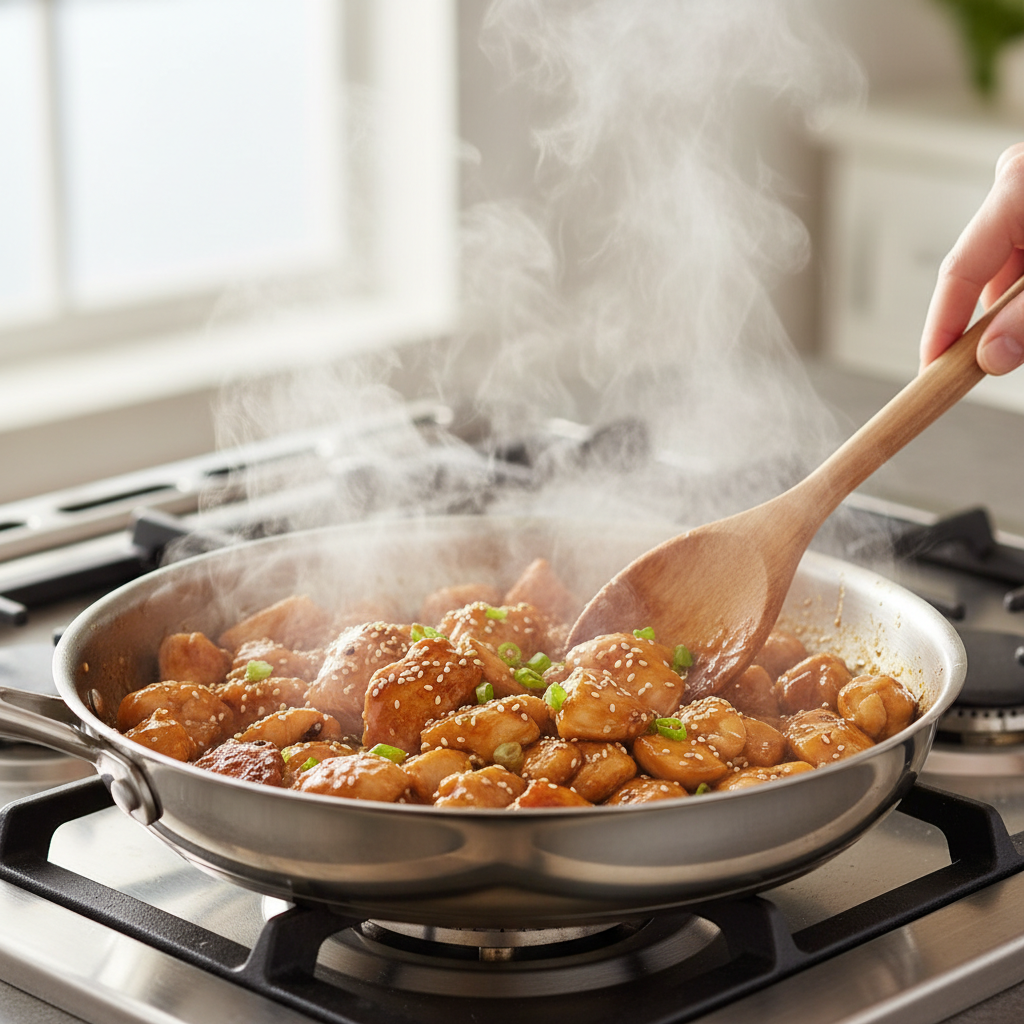
One quick note on expectations, restaurant teriyaki can be heavier on sugar and sodium, so homemade may taste “cleaner” in a good way. If you want that sticky shine, you’re not stuck, you just need the right thickener timing.
What “teriyaki” really means (and why yours might taste off)
Teriyaki is less a single recipe and more a method, a soy-based glaze that turns shiny when reduced and coats protein evenly. If your version tastes off, it usually comes down to one of these.
- Balance issue: too much soy without sweetness, or too much sugar without acid.
- Wrong heat: simmering too hard can scorch sugars, too low won’t reduce.
- Thickener mistakes: adding starch too early makes sauce dull or gummy.
- Watery chicken: overcrowding the pan steams meat and dilutes sauce.
According to USDA Food Safety and Inspection Service, poultry should be cooked to an internal temperature of 165°F. That target matters here because overcooking is the fastest way to turn teriyaki into chewy chicken under a thick glaze.
Ingredients that actually matter (plus smart substitutions)
You can make teriyaki chicken homemade with pantry basics. The “secret” is not a secret ingredient, it’s choosing the right soy, sweetness, and aromatics for your household.
Core sauce ingredients
- Soy sauce: regular works; low-sodium gives you more control.
- Sweetener: brown sugar for caramel notes, honey for floral sweetness.
- Mirin or rice vinegar: mirin adds sweetness; vinegar adds brightness if you skip mirin.
- Garlic + ginger: fresh is best, but jarred is fine on busy nights.
Chicken and oil
- Thighs stay juicy and forgive timing slips.
- Breasts work, but you’ll want to avoid high heat for too long.
- Neutral oil (avocado, canola) helps browning without competing flavors.
If you need gluten-free, swap soy sauce for tamari, and double-check mirin labels. If you need less sugar, you can reduce sweetener slightly, but keep some, otherwise the sauce won’t glaze the same way.
A practical teriyaki sauce ratio (with a quick reference table)
This ratio hits a common American preference, savory first, sweet second, with enough acidity to keep it from tasting flat. Use it as a base, then adjust next time based on your soy brand and sweetness tolerance.
| Ingredient | Amount (base batch) | Why it’s there | Swap if needed |
|---|---|---|---|
| Soy sauce | 1/3 cup | Salt + umami | Low-sodium soy, tamari |
| Water | 1/3 cup | Prevents over-salt, helps reduction | Chicken broth (light) |
| Brown sugar or honey | 3 tbsp | Glaze + sweetness | Maple syrup (milder) |
| Mirin or rice vinegar | 1 tbsp | Brightness, balance | Lime juice (small amount) |
| Garlic (minced) | 2 cloves | Aroma | 1 tsp garlic paste |
| Ginger (grated) | 1 tsp | Fresh bite | 1/2 tsp ground ginger |
| Cornstarch | 1–2 tsp (as slurry) | Glossy thickness | Arrowroot (gentler) |
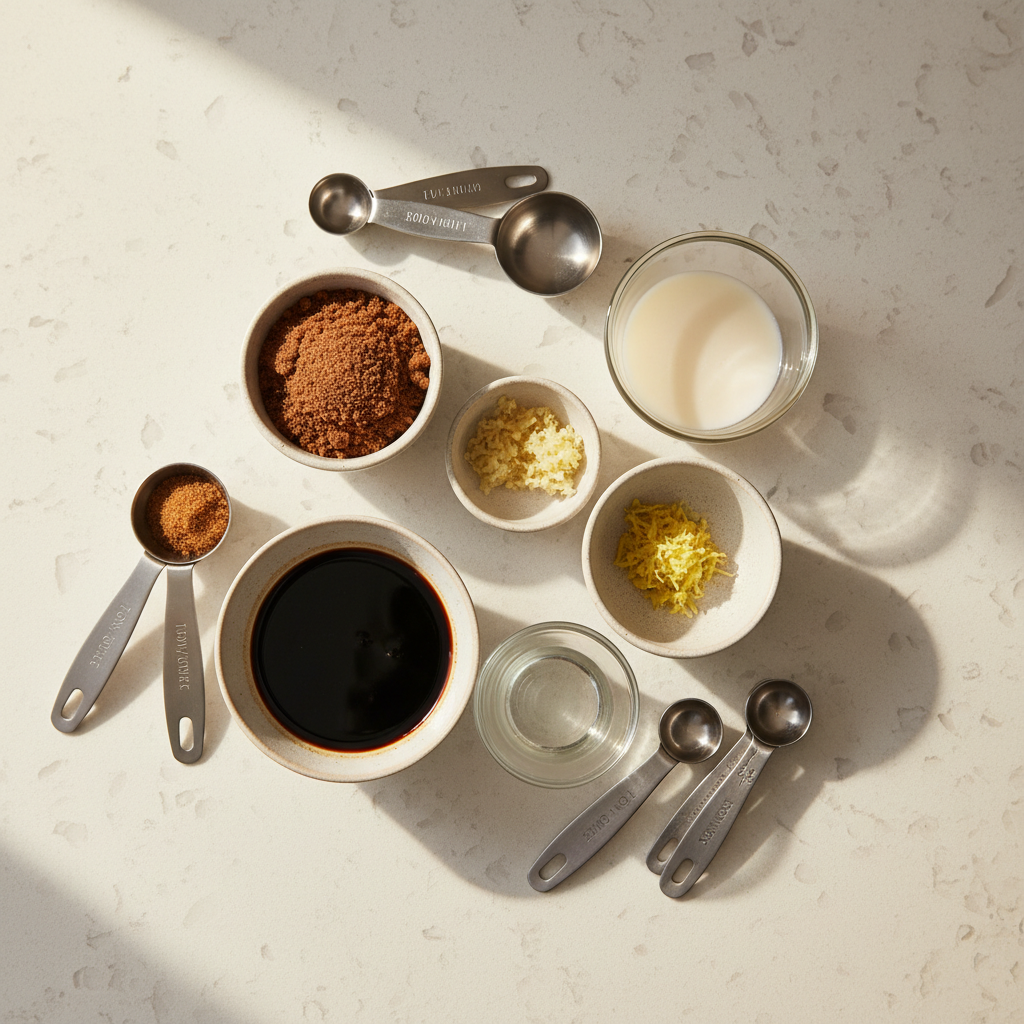
Key point: if you’re using regular soy sauce and sweet teriyaki is not your thing, start at 2 tbsp sugar, not 3, then taste after simmering 2 minutes. Sweetness feels stronger after reduction.
Step-by-step: teriyaki chicken homemade (stovetop, weeknight friendly)
This method avoids the two biggest home-cook problems, steaming the chicken and dumping starch into cold sauce. You can do it in one skillet.
1) Prep the chicken
- Cut 1 to 1.5 lb chicken into even bite-size pieces for fast, consistent cooking.
- Pat dry, then season lightly with black pepper.
- If using breasts, consider a quick 10–15 minute rest with a pinch of salt, it can help moisture retention.
2) Mix the sauce and slurry
- Whisk soy sauce, water, sweetener, mirin or vinegar, garlic, ginger.
- In a separate small bowl, mix cornstarch with 1 tbsp cold water into a smooth slurry.
3) Sear, then glaze
- Heat a skillet over medium-high, add oil, then add chicken in a single layer.
- Let it brown before stirring, crowded pans make pale chicken and thin sauce.
- Pour in the sauce, lower heat to a steady simmer, then cook until chicken is at 165°F.
- Stir in slurry gradually, simmer 30–60 seconds until glossy and coating the spoon.
If the glaze gets too thick, add a splash of water and stir. If it stays thin, simmer another minute before adding more starch, people usually over-thicken out of impatience.
Quick self-check: what problem are you actually having?
Before you change ingredients, diagnose the issue. Most fixes are technique, not shopping.
- Too salty: you used regular soy and reduced too far, or skipped water.
- Too sweet: sugar level too high for your soy brand, or you used sweet mirin plus sugar.
- Not glossy: sauce never simmered, or slurry went in while sauce was still cool.
- Watery: pan crowded, chicken released moisture, sauce couldn’t reduce.
- Burnt edges: heat too high after adding sugar, or you used honey and didn’t lower heat.
Fast fix tip: if it’s overly salty at the end, adding more sugar rarely helps, it just becomes salty-sweet. Dilute with a splash of water, then re-balance with a small hit of vinegar.
Serving ideas, meal prep, and safe storage
Teriyaki can go a lot further than “chicken over rice,” and this is where homemade starts feeling like a real upgrade.
Serving combos that usually work
- Steamed rice plus cucumbers or quick-pickled carrots for crunch
- Broccoli or green beans, added to the skillet during the final simmer
- Lettuce cups with sesame seeds and scallions for a lighter plate
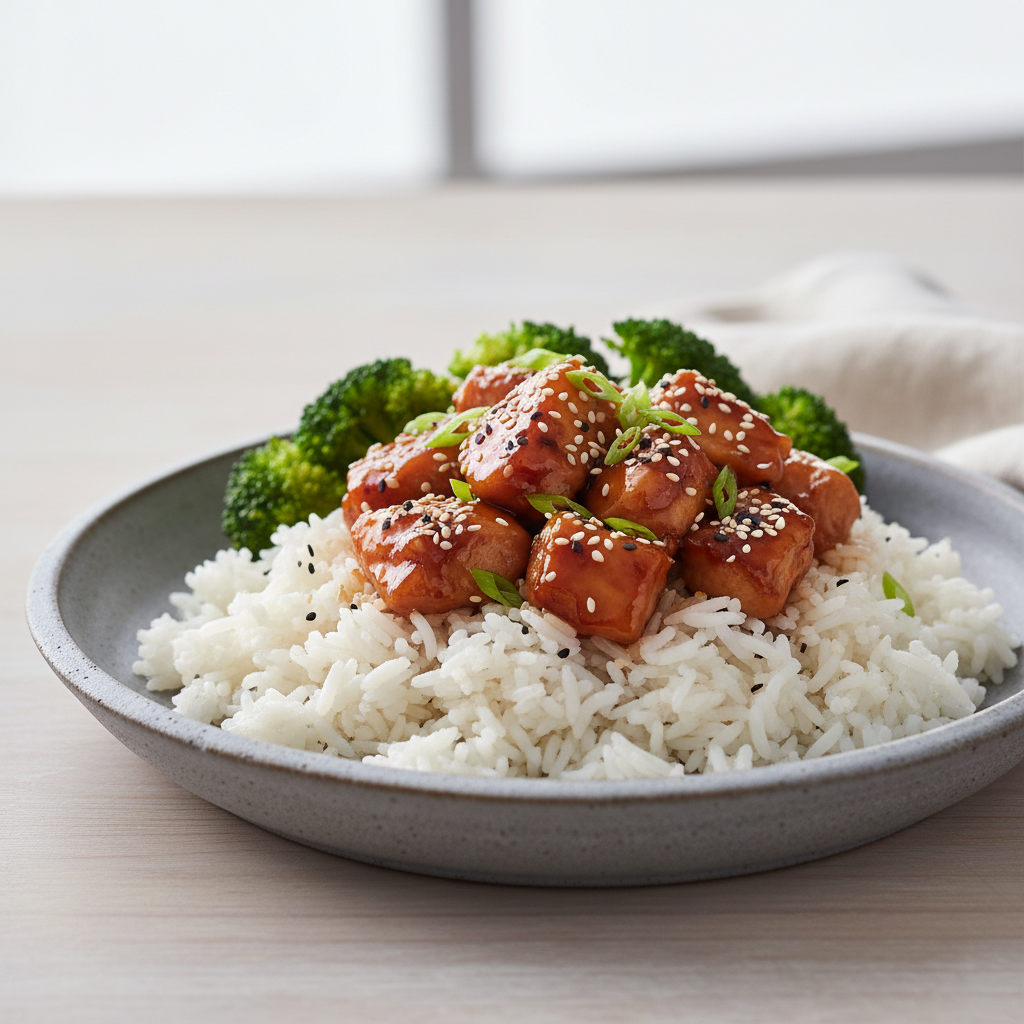
For meal prep, keep sauce-coated chicken separate from crisp veggies, then combine after reheating. The glaze tends to soften anything crunchy if it sits overnight.
According to USDA Food Safety and Inspection Service, leftovers should typically be refrigerated within 2 hours, and reheated to a safe temperature. If you’re unsure about storage times for your situation, especially in a shared fridge or while traveling, it’s reasonable to be extra conservative.
Common mistakes (and the small changes that fix them)
- Marinating forever: soy-heavy marinades can make chicken feel hammy. If you marinate, keep it short, often 20–30 minutes is enough.
- Using sesame oil as the main cooking fat: it burns faster and can taste bitter. Add a few drops at the end if you want the aroma.
- Pouring sauce into a cold pan: you want immediate simmering, otherwise it turns into a thin, slow-cooking braise.
- Skipping taste checks: different soy sauces vary a lot. Taste after 2 minutes of simmering, not before.
Key takeaways: brown the chicken, simmer the sauce, thicken at the end, and don’t fight your soy brand, adjust around it.
Conclusion: make it once, then make it yours
Once you get the timing right, teriyaki chicken homemade becomes a repeatable template rather than a fragile recipe. Keep the base ratio, choose thighs when you want easy mode, and save cornstarch for the finish so the glaze stays shiny instead of gummy.
If you want a simple next step, cook one batch exactly as written, then on the second batch change only one thing, sweetness level or acidity, not both. That’s the quickest way to land on “your” teriyaki without turning dinner into a science project.
FAQ
- How do I make teriyaki chicken homemade without mirin?
Use rice vinegar instead, start small, then add a touch more sweetener if the sauce tastes sharp after simmering. - Why is my teriyaki sauce not thickening?
Usually the sauce isn’t simmering, or the slurry ratio is off. Bring it to a gentle simmer first, then add slurry gradually and wait 30–60 seconds. - Can I bake teriyaki chicken instead of using a skillet?
You can, but baked chicken releases more liquid, so the sauce may be thinner. Many people bake the chicken, then reduce the sauce in a small pan to get the glossy finish. - Is it okay to use bottled teriyaki sauce and still call it homemade?
In real life, plenty of home cooks do. If you want more control, try mixing bottled sauce with fresh garlic and ginger, then simmer briefly to round it out. - What chicken cut is best for beginners?
Boneless thighs are more forgiving and stay juicy even if you simmer a minute too long. Breasts can be great, but they punish high heat and overcooking. - How can I make it less salty without losing flavor?
Use low-sodium soy, keep the water in the ratio, and lean on ginger, garlic, and a little acid for “lift.” Reducing salt doesn’t mean reducing taste. - Can I freeze teriyaki chicken?
Usually yes, though the glaze can loosen after thawing. Freeze in a flat layer, then reheat gently and simmer a minute to tighten the sauce.
If you’re already cooking teriyaki chicken homemade often and want it even more low-effort, it may help to pre-mix a “base sauce” jar in the fridge, then you only need to brown chicken and thicken at the end when dinner gets tight.