
The best fajita recipe beef chicken easy usually comes down to three things people skip on busy nights: a fast marinade that actually seasons the meat, high heat so you get real browning, and a cooking order that keeps chicken, steak, peppers, and onions from turning soggy.
If you have ever ended up with watery veggies, chewy steak, or chicken that tastes like it only met the seasoning on the way to the table, you are not alone. Fajitas look simple, but timing and heat control matter more than most recipes admit.
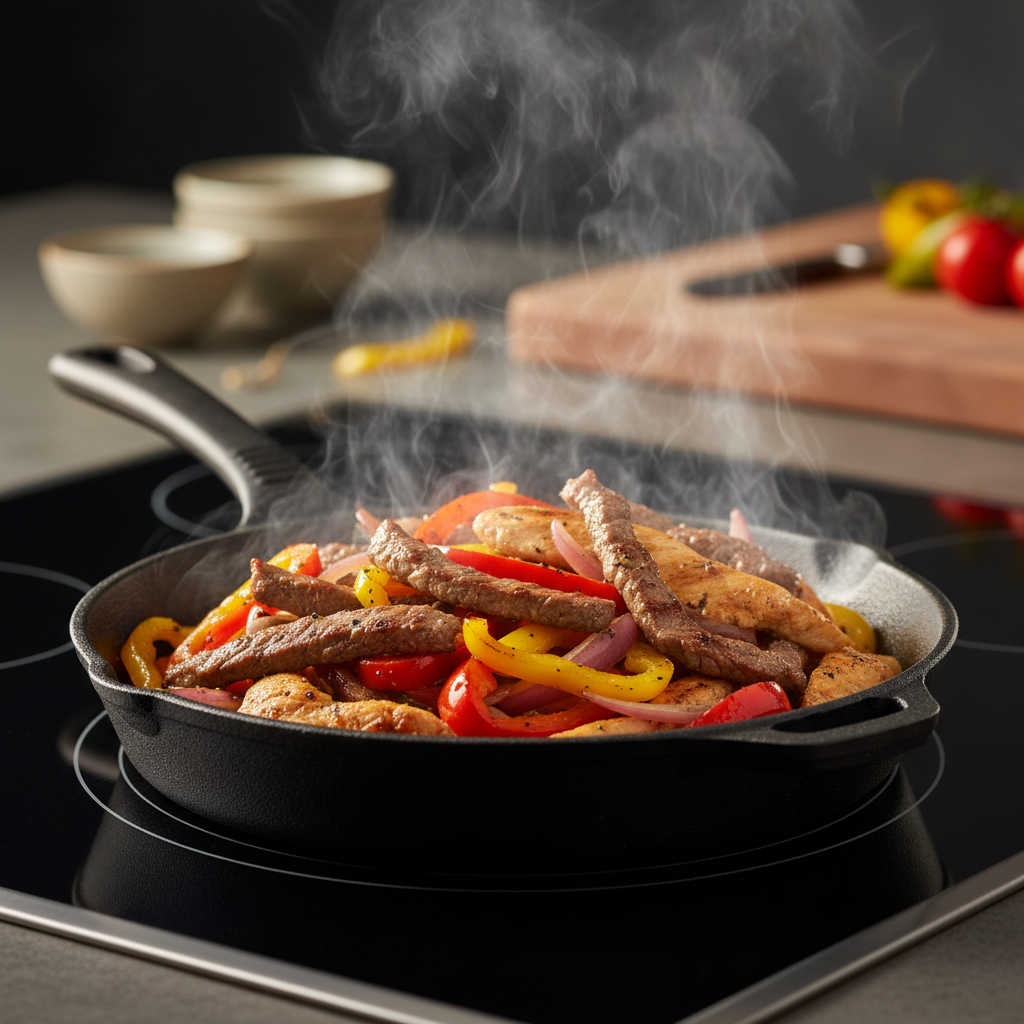
This guide keeps it practical: one marinade that works for both proteins, a predictable cooking sequence, and a few “if this, then that” adjustments for skillet, grill, or sheet pan. You also get a quick table for timing, plus a short troubleshooting list so you do not have to guess.
What makes this fajita recipe “best” and still easy
Easy does not mean bland, and “best” usually means the same result every time. In fajitas, consistency comes from a couple of small choices that compound.
- Use a real acid + oil marinade, even if it is only 20 minutes, it helps seasoning cling and keeps lean chicken from drying out.
- Cook in batches, overcrowding traps steam and you lose that browned, slightly smoky flavor.
- Slice across the grain for beef, it is the difference between tender strips and “why is this so chewy.”
- Salt at the right time, too early on vegetables can pull water fast, too late on meat can taste flat.
According to USDA, poultry should reach a safe internal temperature of 165°F, so the method below leans on quick high heat plus a short rest to hit doneness without drying out.
Ingredients you likely already have (plus smart swaps)
This is set up for weeknights, so the ingredient list stays familiar. If you are missing one item, you can usually substitute without wrecking the flavor.
Proteins
- Chicken: boneless skinless thighs (juicier) or breasts (leaner), sliced into strips
- Beef: skirt steak or flank steak, sliced thin across the grain
Veggies
- Bell peppers, any colors, sliced
- Yellow onion, sliced
- Optional: sliced jalapeño, mushrooms, or poblano
Easy fajita marinade (for both chicken and beef)
- 2 limes, juiced (or 1 lime + 2 tbsp orange juice for a softer tang)
- 3 tbsp neutral oil (avocado, canola)
- 2 tsp chili powder
- 1 tsp ground cumin
- 1 tsp smoked paprika (optional, but helps mimic restaurant “sizzle” flavor)
- 2 cloves garlic, grated or minced
- 1 tsp kosher salt
- Black pepper
Swap notes: If you only have taco seasoning, use it, but cut added salt until you taste. If you are avoiding citrus, a mild vinegar can work, though the flavor shifts.
Quick self-check: which cooking setup fits your night?
Pick your method based on what you want to optimize: speed, fewer dishes, or maximum char. The “best fajita recipe beef chicken easy” is the one you can repeat without stress.
- Cast iron or heavy skillet: best browning, best sizzle, slightly more hands-on
- Grill: best smoky flavor, easier to cook larger batches
- Sheet pan: simplest cleanup, flavor is good but less char
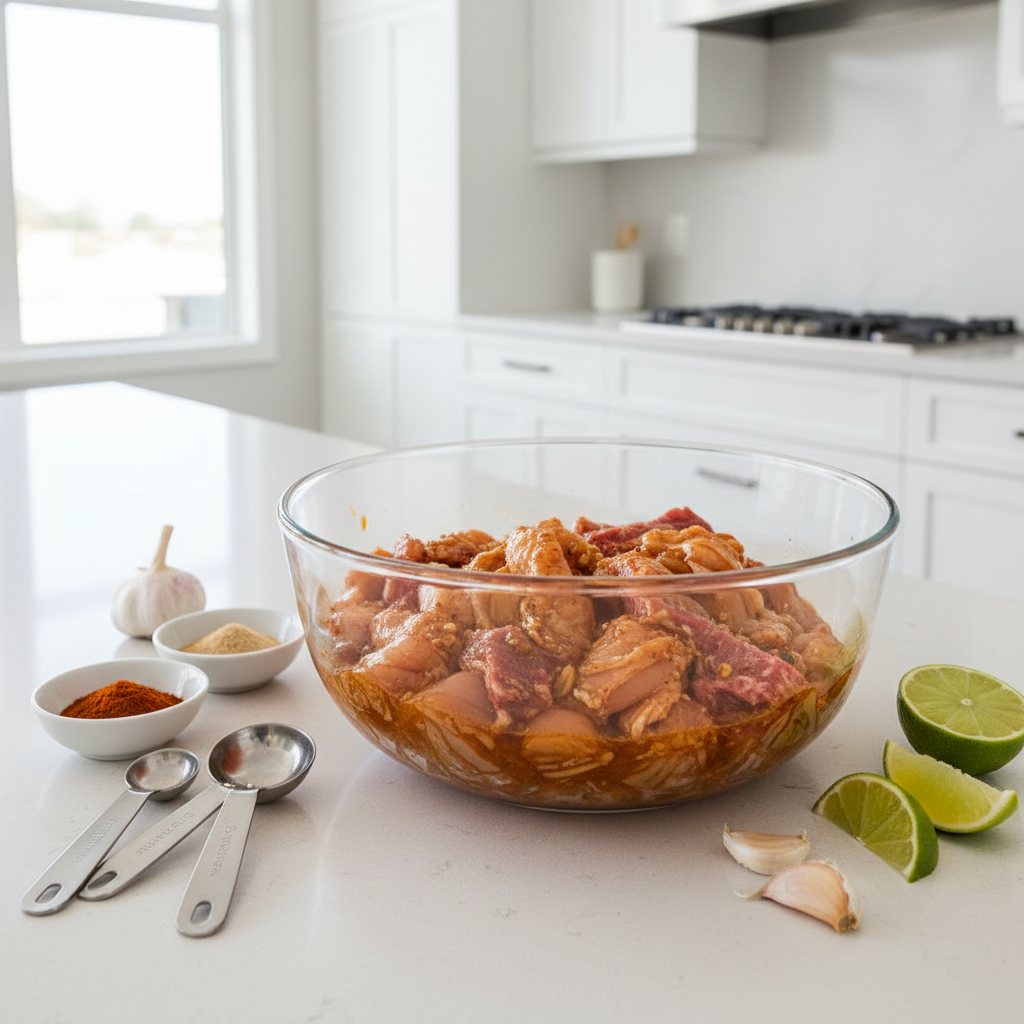
If you have only one pan and 30 minutes, skillet still wins, you just cook in a clear order so nothing overcooks.
Step-by-step: easy beef and chicken fajitas (skillet method)
This method assumes you cook chicken and beef separately for better texture. It adds a few minutes, but saves dinner.
1) Slice, then marinate
- Slice chicken and beef into similar-width strips so they cook evenly.
- Mix marinade, then split it between two bowls or bags, one for each protein.
- Marinate 20 to 45 minutes in the fridge. If you have time, up to 2 hours is fine, but long citrus marinades can soften meat texture.
2) Prep veggies and tortillas while it marinates
- Slice peppers and onion a bit thicker than you think, thin slices go limp fast.
- Warm tortillas in a dry skillet, or wrap in foil in a low oven, then cover so they stay soft.
3) Cook veggies first, then chicken, then beef
- Heat skillet over medium-high to high heat until a drop of water sizzles fast.
- Add a small splash of oil, cook onions and peppers with a pinch of salt, stirring occasionally, until tender-crisp, then move to a bowl.
- Add chicken in a single layer, do not stir for the first minute, then toss until cooked through. Use a thermometer if unsure, 165°F is the safer target.
- Add beef last, very hot pan, short cook. Many cuts taste best at medium-rare to medium, but preferences vary, and you can cook longer if needed.
4) Combine and finish
- Return veggies to the pan briefly, toss everything together for 30 to 60 seconds.
- Squeeze fresh lime over the top and taste for salt.
- Rest meat a couple minutes before serving if it looks very “active” and juicy in the pan, it helps retain moisture.
Key point: If the pan looks wet, you likely overcrowded or your heat ran low. Next batch, cook less at once, and let the pan recover heat between batches.
Timing and doneness table (so you stop guessing)
Cooking time depends on thickness and pan heat, but this table gets you into the right neighborhood fast.
| Item | Typical heat | Approx time | What to look for |
|---|---|---|---|
| Peppers + onions | Medium-high | 6–10 min | Glossy, tender-crisp, light browning |
| Chicken strips | Medium-high | 5–8 min | No pink, juices run clear, 165°F |
| Beef strips (skirt/flank) | High | 2–4 min | Browned edges, still juicy |
| Tortillas (warming) | Medium | 20–40 sec each | Soft, lightly toasted spots |
Real-world fixes: common fajita problems and quick saves
Most “bad fajitas” are not about the recipe, they come from one of these patterns. Fixing them is usually simple.
- Veggies turned watery: pan too crowded, or salt went in too early. Cook in two rounds, salt closer to the end.
- Steak feels tough: sliced with the grain or too thick. Slice thinner, always across the grain, and keep beef cooking time short.
- Chicken is dry: breasts overcook fast. Use thighs, or pull breasts earlier and let carryover heat finish.
- Flavor tastes flat: not enough salt or acid at the finish. Add a pinch of salt and fresh lime right before serving.
- No “restaurant sizzle”: skillet not hot enough. Preheat longer, and avoid nonstick if you can.
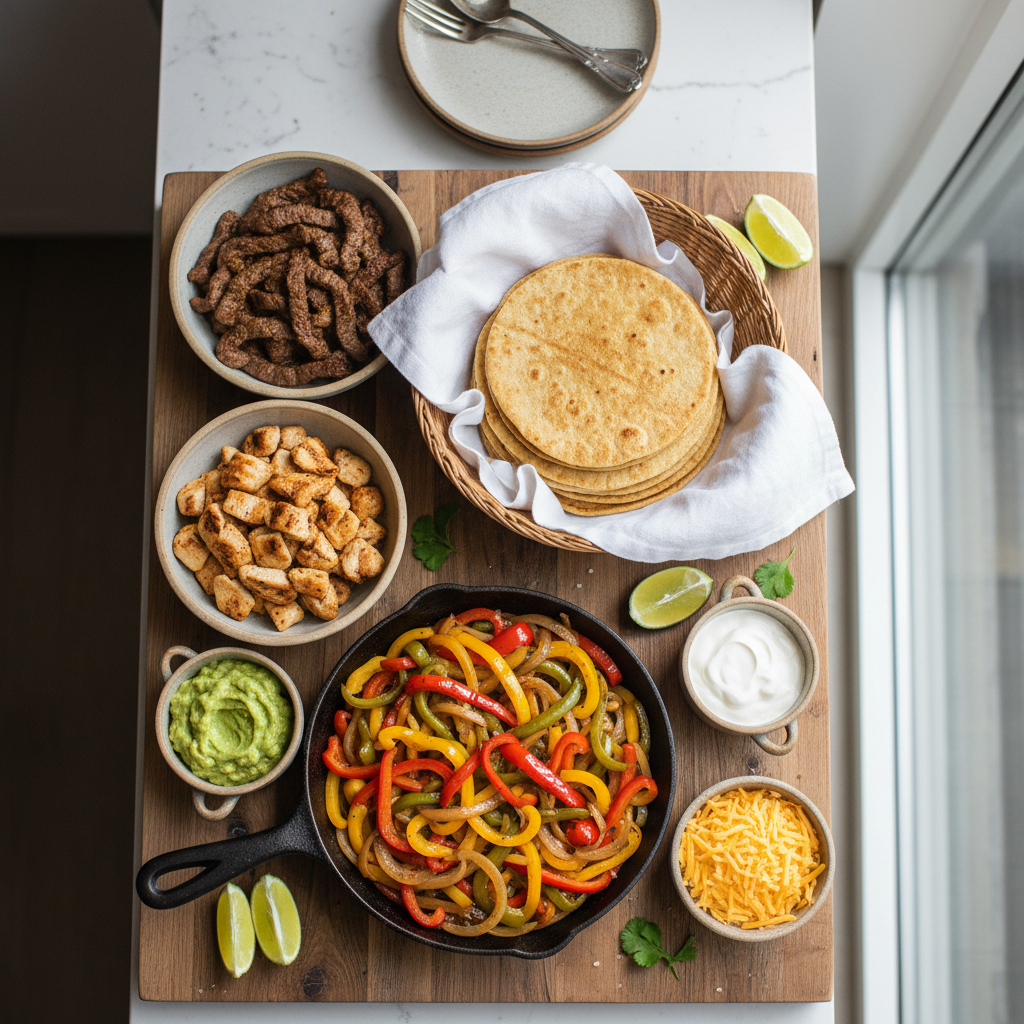
If you are cooking for mixed preferences, keep proteins separate until serving. It stays easier to manage doneness, and people can build plates the way they like.
Serving ideas, toppings, and easy sides
Fajitas feel generous when the table has options, even if the main pan is simple.
Toppings that actually help
- Guacamole or sliced avocado for richness
- Pico de gallo for freshness and acidity
- Sour cream or Greek yogurt
- Cilantro, lime wedges
- Shredded cheese (Monterey Jack or cheddar)
Sides that match weeknight energy
- Microwave or rice-cooker cilantro lime rice
- Black beans with a pinch of cumin and garlic
- Simple chopped salad with lime vinaigrette
Key takeaway: A hot pan and a short marinade do most of the work, toppings just finish the job.
Food safety, storage, and reheating (without rubbery meat)
Because fajitas involve raw poultry and quick cooking, keep handling tight. According to CDC, preventing cross-contamination is a major step in avoiding foodborne illness, so use separate boards, or wash thoroughly between proteins and vegetables.
- Fridge: store cooked components in airtight containers, usually 3 to 4 days works for many households, but use your judgment.
- Reheat: use a skillet over medium heat with a tiny splash of water, heat just until warm, overcooking dries meat fast.
- Freezing: cooked fajita mix can freeze, texture softens a bit on peppers, but it still works for quick wraps.
If you have health concerns, pregnancy, or immune conditions, safer handling and thorough cooking matter even more, and it can be worth checking guidance with a medical professional.
Conclusion: make this your repeatable weeknight fajita plan
The best fajita recipe beef chicken easy is less about fancy ingredients and more about a repeatable rhythm: quick marinade, very hot pan, cook in batches, slice beef correctly, then finish with lime and salt. Once you run it once, you can scale it for guests or cut it down for two without rethinking anything.
Next time, do just one upgrade if you are busy: pre-slice peppers and onions in the morning, then dinner becomes mostly “heat pan, cook, eat.”
If you try it, keep notes on your pan heat and batch size, that is usually the lever that turns fajitas from okay to the kind you want to make again.
FAQ
- Can I cook beef and chicken together for fajitas?
It is possible, but it often leads to one protein overcooking while the other catches up. For an easier win, cook separately and combine at the end. - What cut of beef is best for easy fajitas?
Skirt steak and flank steak are common because they take flavor well and cook quickly. The main trick is slicing across the grain so each bite stays tender. - How long should I marinate chicken and beef for fajitas?
Many weeknights do well with 20 to 45 minutes. Much longer with lots of citrus can change texture, especially for thinner strips. - Why do my fajita veggies get soggy?
Usually the pan is crowded or not hot enough, so vegetables steam instead of sear. Cook in smaller batches and let the skillet fully heat before adding food. - How do I keep chicken fajitas juicy?
Thighs stay forgiving, and cooking in a hot pan for a shorter time helps. If using breasts, pull them as soon as they reach 165°F, then rest briefly. - Is this fajita recipe spicy?
It is typically mild to medium, depending on chili powder and whether you add jalapeño. You can reduce heat by skipping spicy peppers and leaning on cumin and paprika. - Can I make these fajitas on a sheet pan?
Yes, it is a good low-effort option. Spread everything in a single layer, use a hot oven, and broil briefly at the end for more browning, watching closely to avoid drying.
If you are cooking for a crowd or you just want a more hands-off plan, you can prep the marinade and sliced veggies ahead, portion proteins into separate bags, then you only need a hot pan and 15 minutes at dinnertime.