
The best pumpkin bread recipe moist easy usually comes down to a few unglamorous details: the right pumpkin, the right fat, and not overmixing when you’re in a hurry. If your loaves keep baking up dry, dense, or weirdly gummy in the middle, you’re not alone, pumpkin quick bread is picky in a way banana bread rarely is.
This guide gives you a dependable, weeknight-friendly method that still tastes like you planned ahead. You’ll get a clear ingredient list, smart swaps, bake-time cues you can trust, and a troubleshooting section for the stuff recipes rarely admit, like why your center sinks or your top cracks like a canyon.
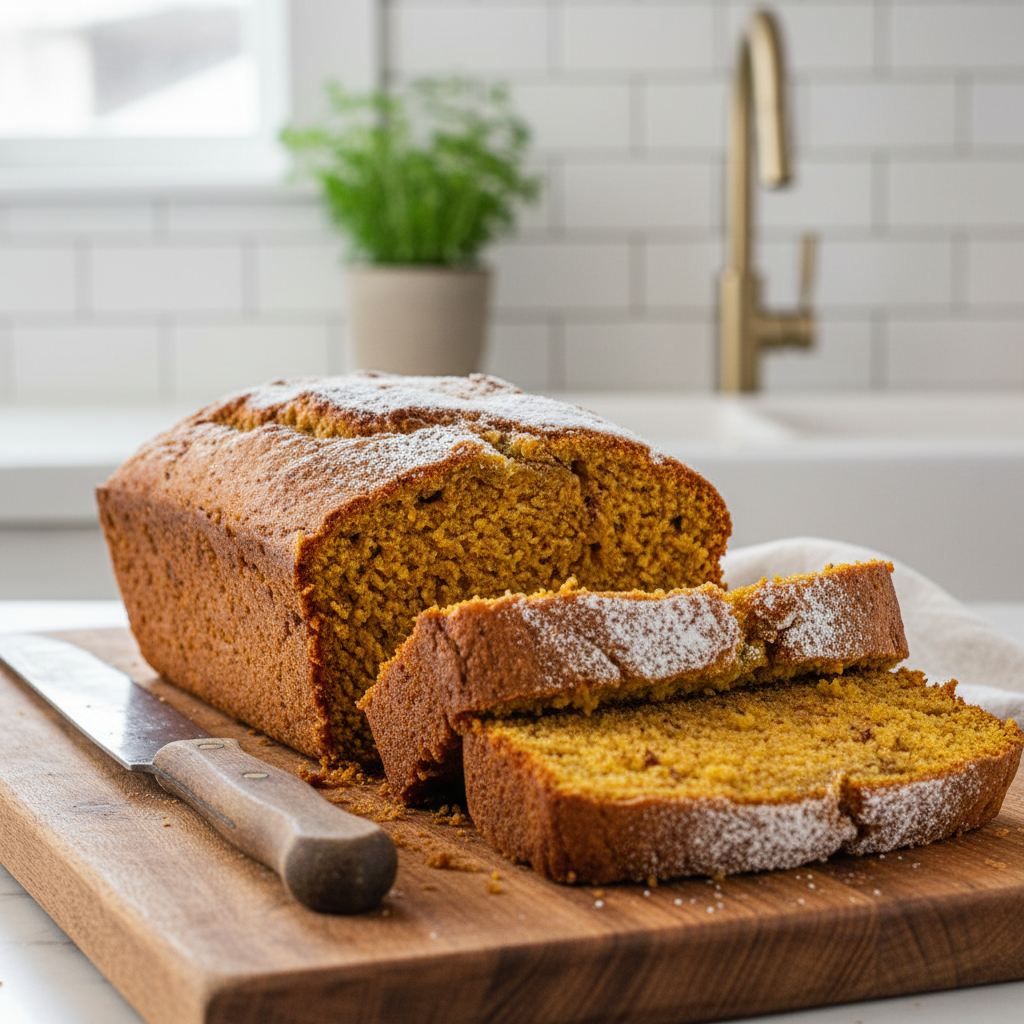
One quick note before we bake: pumpkin bread is a “quick bread,” which means it relies on baking soda and baking powder instead of yeast. That also means mixing and measuring matter more than people expect, and small tweaks can make a big texture difference.
What makes pumpkin bread truly moist (and what dries it out)
Moist pumpkin bread isn’t about adding “more pumpkin” and hoping for the best. In many kitchens, too much pumpkin puree actually makes the crumb heavy and damp in a not-great way.
- Fat matters: Oil tends to keep quick breads softer than butter after cooling. Butter tastes great, but it can firm up more in the fridge.
- Sugar is structural: Beyond sweetness, sugar helps retain moisture. Cutting it aggressively often turns the loaf dry and a little tough.
- Flour and mixing: Overmixing develops gluten, which is nice for chewy bread, not for tender pumpkin loaf.
- Moisture balance: Pumpkin puree, eggs, and fat all bring moisture, but your flour has to absorb it. Different brands of flour can behave slightly differently.
According to USDA... canned pumpkin is simply cooked pumpkin with water content that can vary by brand, which is why two “same” recipes can bake up differently depending on the puree you grab.
Ingredients and smart substitutions (so you can bake tonight)
Here’s a classic, reliable lineup that stays flexible. If you want the best pumpkin bread recipe moist easy experience, stick to the “core” choices and only swap one thing at a time.
Core ingredients
- All-purpose flour
- Baking soda + baking powder
- Fine salt
- Pumpkin pie spice (or cinnamon + ginger + nutmeg)
- Eggs
- Neutral oil (canola, vegetable, avocado)
- Brown sugar + granulated sugar
- Pure pumpkin puree (not pumpkin pie filling)
- Vanilla extract
Easy swaps (with realistic expectations)
- Oil → melted butter: richer flavor, slightly less “stay-moist-for-days” texture.
- Half the oil → applesauce: lighter feel, but the loaf may stale faster and bake a touch denser.
- All-purpose → half whole wheat: more nuttiness, but you may want 1–2 extra tablespoons of liquid if batter feels unusually thick.
- Regular dairy-free: this recipe is naturally dairy-free if you use oil, just watch add-ins like chocolate chips.
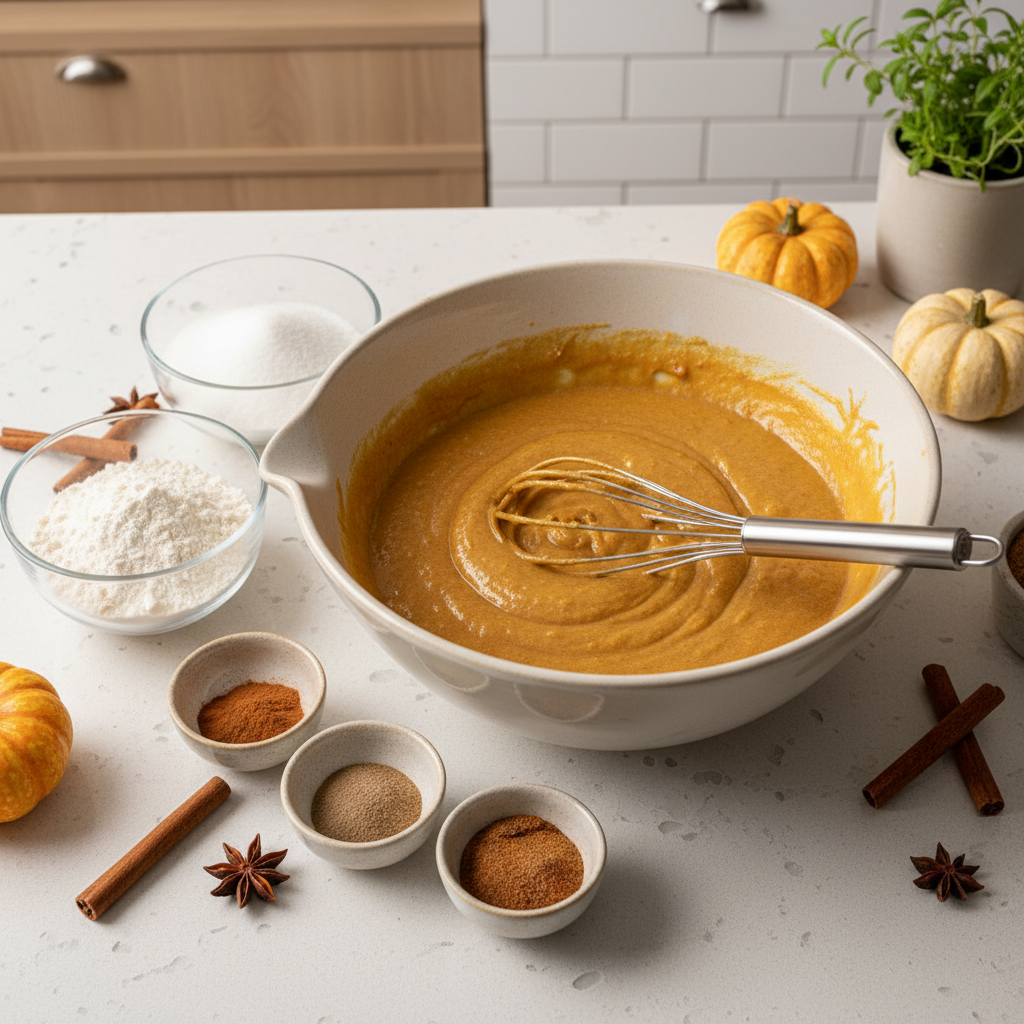
Key point: make sure you’re using pumpkin puree, not pumpkin pie mix. Pie mix already contains sugar and spices, and it throws off both sweetness and moisture.
The best easy moist pumpkin bread recipe (step-by-step)
This makes 1 standard loaf (9x5-inch). If your pan is 8.5x4.5, expect a slightly taller loaf and add a few minutes of bake time.
Quick prep
- Heat oven to 350°F.
- Grease the loaf pan and line with parchment with a little overhang (worth it for clean removal).
- Let eggs come closer to room temp if you can, cold eggs can make batter look slightly curdled.
Mix dry + mix wet
- In one bowl, whisk flour, baking soda, baking powder, salt, and spices.
- In a second bowl, whisk eggs, sugars, pumpkin puree, oil, and vanilla until smooth.
Combine (the texture moment that decides everything)
- Add dry ingredients into wet.
- Stir gently until you stop seeing dry flour. A few small lumps are fine.
- Fold in add-ins (optional): 1/2–1 cup chocolate chips, chopped pecans, or walnuts.
Bake
- Pour batter into pan, smooth the top.
- Bake 55–70 minutes, depending on your pan and oven.
- Start checking at 55 minutes: a tester should come out with moist crumbs, not wet batter.
Cool 15 minutes in the pan, then lift out and cool fully on a rack. Slicing hot is tempting, but it can make the crumb look gummy even when it’s baked through.
Moisture checklist: how to tell if you’re on track
Use this to diagnose fast, especially if you’ve tried multiple “easy” recipes and they keep disappointing.
- Batter looks like: thick but pourable, it should mound slightly and settle slowly.
- Loaf rises: a rounded dome with a crack is normal for quick breads.
- Tester result: a few moist crumbs is ideal, a clean skewer can mean it’s heading toward dry.
- Cooling: if the center collapses during cooling, it often needed 5–10 more minutes in the oven.
If you want the best pumpkin bread recipe moist easy outcome consistently, the biggest “habit change” is simple: stop baking by the clock alone and start baking by the cues.
Timing, pans, and doneness: a quick reference table
Ovens run hot or cool, and loaf pans vary a lot. This table gets you close, then you confirm with visual cues and a tester.
| Pan / Format | Typical Bake Time | What to Watch For |
|---|---|---|
| 9x5-inch loaf | 55–70 min | Dome set, edges pull slightly, moist crumbs on tester |
| 8.5x4.5-inch loaf | 60–75 min | Center needs extra time, tent foil if top browns fast |
| Mini loaves | 25–35 min | Fast browning, check early |
| Muffins | 18–24 min | Springy tops, crumbs not wet |
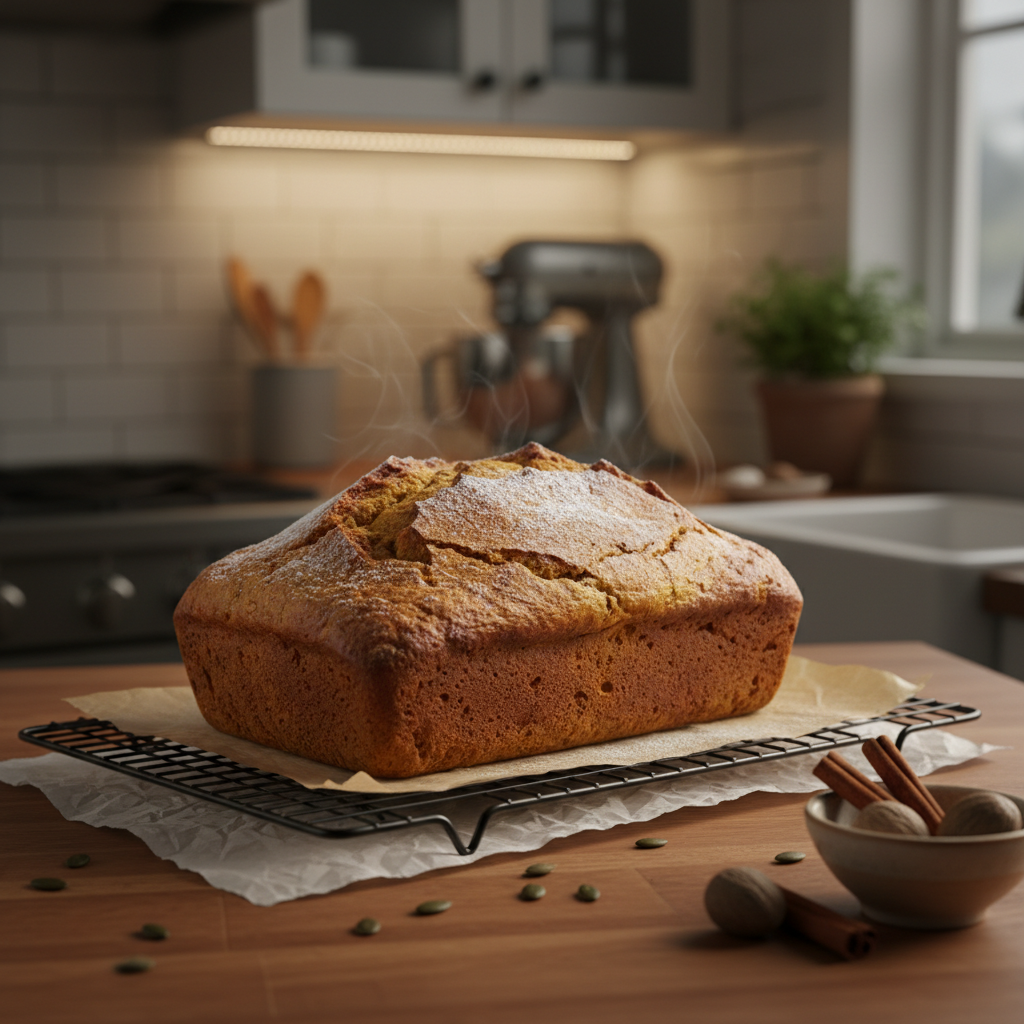
Foil tip: if the top turns deep brown while the center still needs time, lightly tent with foil for the final 10–20 minutes.
Common mistakes (and fixes that actually help)
Most “bad pumpkin bread” is fixable once you know what caused it. Here are the repeat offenders.
- Dry loaf: often overbaked, or flour measured heavy. Spoon flour into the cup and level it, don’t scoop straight from the bag.
- Gummy center: underbaked, or sliced too warm. Let it cool fully before judging the crumb.
- Sinking middle: batter overmixed, leaveners old, or the center wasn’t done. Check baking soda freshness.
- Dense texture: too much pumpkin or add-ins, or you packed the flour. If you love mix-ins, cap them around 1 cup total.
- Bitter/soapy taste: too much baking soda, or uneven mixing. Whisk dry ingredients thoroughly.
According to FDA... baking powder and baking soda are regulated food ingredients, but freshness and storage are on you, and expired leaveners are a quiet reason quick breads fail.
Practical add-ins, storage, and make-ahead tips
Flavor is fun, but moisture is the priority. If you’re chasing that bakery-soft slice, keep add-ins simple.
Add-ins that play well with a moist crumb
- Chocolate chips (semi-sweet or dark)
- Toasted pecans or walnuts
- Dried cranberries (use a light hand, they can pull moisture)
- Cinnamon sugar swirl (adds sweetness and aroma, not moisture)
Storage (so day 2 is still good)
- Room temp: wrap tightly, keep 2–3 days.
- Fridge: 4–6 days, but it can firm up, warm slices briefly to soften.
- Freezer: slice, wrap, and freeze up to 2–3 months for best quality.
If you’re meal-prepping, freezing slices is the move. You can pull one slice at a time, and it avoids the “whole loaf slowly drying out” problem.
Wrap-up: how to get your go-to loaf every time
If your goal is a reliable fall staple, focus on the boring wins: measure flour lightly, mix just until combined, and bake until the tester shows moist crumbs. That’s what keeps this in the running for the best pumpkin bread recipe moist easy, not some secret ingredient.
Make it once as written, take one note on bake time for your oven, then customize with add-ins. Your future self, holding a soft slice on day two, will appreciate the restraint.
FAQ
Why is my pumpkin bread dry even when I use pumpkin puree?
Usually it’s bake time or flour measurement. Pumpkin adds moisture, but overbaking pulls it out fast, and a heavy cup of flour can soak up more liquid than the recipe expects.
Can I use fresh pumpkin instead of canned?
You can, but it’s trickier. Homemade puree often holds more water and can make the loaf heavier. If you go fresh, drain it in a fine mesh strainer until it looks like thick canned puree.
How do I keep pumpkin bread moist for several days?
Cool completely, then wrap tightly. If your kitchen runs dry, store it in an airtight container. Slicing only what you’ll eat that day also helps.
What’s the easiest way to tell if pumpkin bread is done?
Use a tester in the center and look for moist crumbs. Also check the top: it should look set, not glossy, and the loaf should feel a bit springy when pressed lightly.
Can I reduce sugar without ruining texture?
A small reduction often works, but big cuts can dry the loaf and flatten flavor. If you want less sweetness, try reducing 10–15% and add extra spices for perceived sweetness.
Why did my loaf sink after I took it out?
Most of the time it was slightly underbaked in the center. Less commonly, old leaveners or aggressive mixing can make the structure weak.
Can I make this into muffins?
Yes, and it’s a great way to avoid underbaked centers. Start checking around 18 minutes and pull them when a tester shows crumbs, not wet batter.
If you’re trying to dial in your own version of this loaf, keep notes on your pan size, bake time, and which pumpkin brand you used, that small habit makes the “easy” part actually stay easy.